
When it comes to increasing your home’s value, not all upgrades are created equal. Some projects offer a strong return on investment, while others may add little more than temporary visual appeal. The key is focusing on improvements that enhance functionality, efficiency, and long-term durability—features that today’s buyers actively seek.
A well-maintained and thoughtfully upgraded home not only attracts more potential buyers but can also command a higher selling price. From improving core systems to addressing hidden issues, strategic upgrades can significantly influence how your property is perceived in the market.
This guide explores the most impactful home improvements you can make, with actionable insights to help you prioritize your efforts and maximize your return.
Upgrade Your Home’s Climate System for Efficiency and Appeal
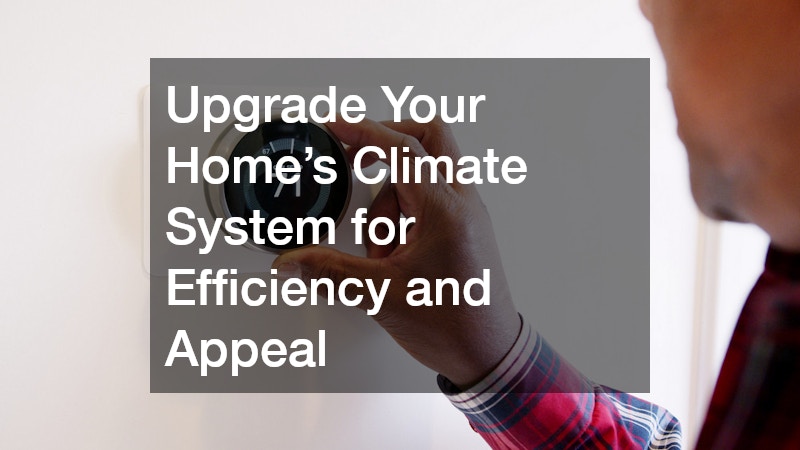
Upgrading your hvac installation is one of the most effective ways to boost both comfort and property value. Modern buyers are increasingly focused on energy efficiency, and an outdated system can be a major red flag during a home inspection.
A new system doesn’t just improve temperature control—it also reduces energy bills and signals that the home has been properly maintained.
Signs it’s time for an upgrade:
- Uneven heating or cooling throughout the home
- Rising energy bills without increased usage
- Frequent repairs or system breakdowns
- A system that is 10–15+ years old
Actionable tips for homeowners:
- Choose an energy-efficient unit with a high SEER rating
- Ensure proper sizing—oversized or undersized systems reduce efficiency
- Install a programmable or smart thermostat for added appeal
- Schedule routine maintenance to extend system lifespan
Why this adds value:
- Buyers are willing to pay more for energy-efficient homes
- A new system reduces the likelihood of post-sale repairs
- It improves indoor air quality and overall comfort
Beyond the basics, homeowners can further enhance the impact of an upgraded system by focusing on overall performance and integration. For example, sealing ductwork and insulating attics can significantly improve efficiency, ensuring that conditioned air is not lost before it reaches living spaces. Adding zoning systems is another valuable upgrade, allowing different areas of the home to be heated or cooled independently—something many buyers see as a premium feature.
It’s also worth considering how your system affects indoor air quality. Modern units can be paired with advanced filtration systems, humidity controls, and air purifiers that reduce allergens, dust, and pollutants. These features are especially appealing to families and buyers with health concerns.
Finally, documentation matters. Keeping records of installation, maintenance, and warranty details provides reassurance to potential buyers. It demonstrates that the system has been professionally handled and is likely to perform reliably, which can make your home stand out in a competitive market.
Invest in Modern Water Heating Solutions Buyers Prefer
Upgrading to tankless water heaters or completing a timely water heater replacement can significantly improve your home’s efficiency and appeal.
Traditional water heaters store hot water, which can lead to energy waste and limited supply. In contrast, tankless systems heat water on demand, offering continuous hot water while using less energy.
Benefits of upgrading:
- Endless hot water for showers, laundry, and appliances
- Reduced energy consumption compared to traditional tanks
- Longer lifespan (often double that of standard units)
- Compact design that frees up space
When to consider an upgrade:
- Your current unit is over 8–12 years old
- You notice inconsistent water temperatures
- There are visible signs of rust or corrosion
Tips for maximizing ROI:
- Choose a system sized appropriately for your household needs
- Install in a convenient location to reduce heat loss
- Keep maintenance records to show potential buyers
A modern water heating system is a strong selling point, especially for buyers who value efficiency and convenience.
To take this upgrade even further, consider the overall integration of your water heating system with the rest of your home. For instance, pairing a tankless unit with low-flow fixtures can amplify water and energy savings, making your home even more appealing to eco-conscious buyers. Additionally, upgrading insulation around hot water lines can reduce heat loss and improve system performance.
Installation quality also plays a critical role in long-term value. Working with experienced professionals ensures proper venting, gas line capacity (if applicable), and electrical requirements are met. Poor installation can reduce efficiency and lead to costly issues down the line, which can negatively impact buyer confidence.
Another often-overlooked factor is noise level. Many modern systems are designed to operate quietly, which can enhance overall comfort—especially in smaller homes where utility areas are closer to living spaces. Highlighting these subtle benefits during a home sale can make a meaningful difference in how buyers perceive the upgrade.
Strengthen Your Home’s First Line of Defense Against the Elements
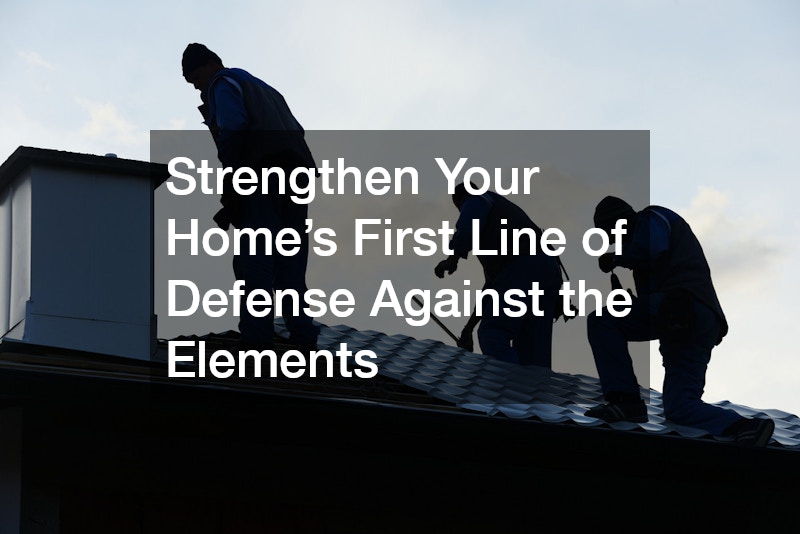
Your roof plays a critical role in protecting your home and influencing its overall value. Investing in roofing services and addressing roof repair issues promptly can prevent larger structural problems and improve curb appeal.
A damaged or aging roof can deter buyers, while a well-maintained one provides peace of mind.
Warning signs to watch for:
- Missing or curling shingles
- Water stains on ceilings or walls
- Sagging areas or visible structural damage
- Moss or algae growth
Actionable improvement strategies:
- Replace damaged shingles immediately
- Consider durable materials like metal or architectural shingles
- Improve ventilation to extend roof lifespan
- Schedule regular inspections, especially after storms
Value-boosting benefits:
- Enhances curb appeal instantly
- Reduces risk of leaks and interior damage
- Increases buyer confidence during inspections
A solid roof is one of the first things buyers notice, making it a high-impact upgrade.
To further increase the value of this investment, homeowners should also pay attention to the supporting components of the roofing system. Flashing around chimneys, vents, and skylights should be inspected regularly, as these are common areas where leaks can develop. Replacing or resealing flashing can prevent water intrusion and extend the life of the roof. Gutters and downspouts should also be kept clean and properly aligned to ensure water is directed away from the home’s foundation.
Another valuable upgrade is improving attic insulation and ventilation. Proper airflow helps regulate temperature and moisture levels, preventing issues like ice dams in colder climates and heat buildup in warmer months. These improvements not only protect the roof but also contribute to overall energy efficiency.
Finally, keeping documentation of repairs, warranties, and inspections can give buyers added confidence, showing that the roof has been consistently maintained and is unlikely to require immediate attention after purchase.
Improve Drainage Systems to Prevent Costly Damage
Proper drainage is essential for maintaining your home’s structural integrity. Addressing issues with drain repair can prevent water damage, mold growth, and foundation problems.
Drainage problems often go unnoticed until they become severe, which can significantly reduce property value.
Common issues to look for:
- Slow-draining sinks or tubs
- Frequent clogs or backups
- Unpleasant odors from drains
- Water pooling around the foundation
Steps to improve your system:
- Clear blockages using professional-grade equipment
- Upgrade old or damaged pipes
- Install proper grading around your home
- Add or repair gutter systems to direct water away
Preventative maintenance tips:
- Schedule routine inspections
- Avoid disposing of grease or debris down drains
- Use drain screens to catch hair and particles
By proactively addressing drainage issues, you protect your home and make it more attractive to potential buyers.
Upgrade Plumbing Infrastructure for Reliability and Efficiency
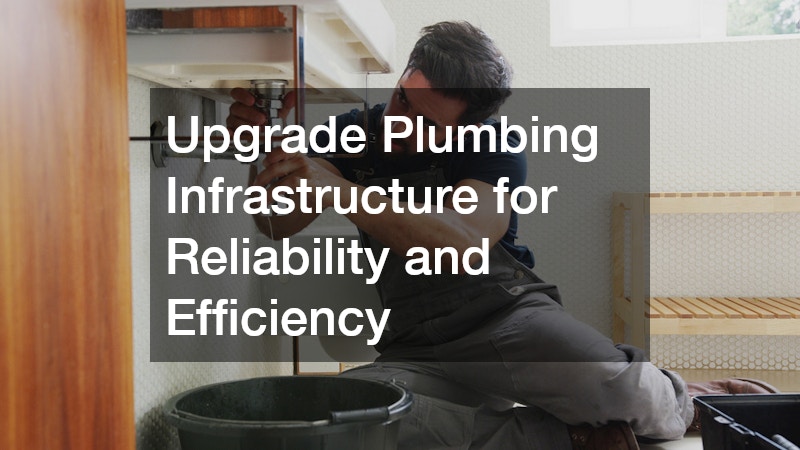
Modernizing your plumbing services and working with experienced plumbers can significantly improve your home’s functionality and value.
Outdated plumbing systems can lead to leaks, low water pressure, and potential health concerns, all of which can deter buyers.
Signs of outdated plumbing:
- Discolored water
- Frequent leaks or pipe corrosion
- Low or inconsistent water pressure
- Older materials like galvanized steel pipes
Actionable upgrades:
- Replace outdated pipes with modern materials like PEX or copper
- Install water-efficient fixtures and appliances
- Upgrade shut-off valves for easier maintenance
- Insulate pipes to prevent freezing
Benefits for homeowners:
- Improved water quality and pressure
- Reduced risk of leaks and water damage
- Lower utility bills through efficient fixtures
Investing in your plumbing system ensures long-term reliability and adds a layer of reassurance for buyers.
Address Hidden Issues Before They Become Deal Breakers
Small, hidden problems can quickly turn into major concerns during a home inspection. Addressing issues with leak repair services early can prevent costly repairs and protect your home’s value.
Leaks are often difficult to detect but can cause significant damage over time.
Common sources of leaks:
- Under sinks and around fixtures
- Behind walls or ceilings
- Around windows and doors
- Roofing or foundation cracks
How to identify leaks early:
- Monitor your water bill for unexplained increases
- Check for damp spots or mold growth
- Listen for running water when fixtures are off
Preventative actions:
- Seal gaps and cracks promptly
- Replace worn-out seals and caulking
- Schedule professional inspections annually
Fixing leaks early not only saves money but also prevents them from becoming deal breakers during a sale.
Maintain and Upgrade Waste Management Systems
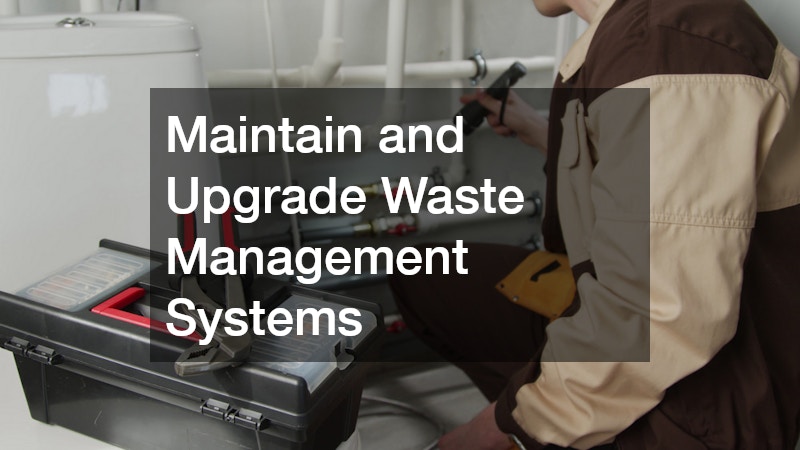
A properly functioning septic system is crucial for homes that rely on it. Regular septic services ensure your system operates efficiently and remains compliant with local regulations.
Buyers are often cautious about septic systems, so proper maintenance can significantly boost confidence.
Signs your system needs attention:
- Slow drains throughout the home
- Sewage odors indoors or outdoors
- Pooling water near the drain field
- Unusually lush grass in specific areas
Maintenance best practices:
- Schedule regular pumping and inspections
- Avoid flushing non-biodegradable items
- Use water efficiently to prevent overload
- Keep detailed maintenance records
Why this matters for resale:
- Demonstrates responsible homeownership
- Reduces the risk of system failure
- Provides assurance during inspections
A well-maintained system can make a significant difference in buyer perception.
Enhance Energy Efficiency Across Major Home Systems
Improving efficiency across multiple systems—such as hvac installation and tankless water heaters—can significantly increase your home’s appeal and value.
Energy-efficient homes are not only environmentally friendly but also cost-effective, making them highly attractive to modern buyers.
Key strategies:
- Upgrade insulation and seal air leaks
- Install energy-efficient windows and doors
- Use smart home technology for better control
- Combine system upgrades for maximum impact
Financial benefits:
- Lower monthly utility bills
- Potential tax credits or rebates
- Increased long-term savings
How to showcase improvements:
- Provide documentation of upgrades
- Highlight energy savings in listings
- Emphasize eco-friendly features during showings
Efficiency upgrades create a strong selling point and can set your home apart in a competitive market.
Prevent Structural and Water Damage with Proactive Repairs
Proactively addressing issues like roof repair and leak repair services can prevent small problems from escalating into costly structural damage.
Buyers are often wary of hidden damage, so taking care of these issues in advance is essential.
Common risks of neglect:
- Mold and mildew growth
- Wood rot and weakened structures
- Interior damage to walls and ceilings
Actionable maintenance steps:
- Conduct seasonal inspections
- Repair minor issues immediately
- Keep gutters clean and functional
- Ensure proper ventilation throughout the home
Cost-saving insights:
- Early repairs are significantly cheaper than major renovations
- Preventative maintenance extends the lifespan of key systems
- Documented repairs increase buyer trust
Staying ahead of repairs helps maintain your home’s integrity and value.
Create a Long-Term Maintenance Plan That Adds Value
A consistent maintenance plan that includes plumbing services and septic services can help preserve your home’s condition and maximize its value over time.
Buyers appreciate homes with a documented history of care and upkeep.
Steps to build a maintenance plan:
- Create a seasonal checklist for inspections and repairs
- Schedule annual professional evaluations
- Keep detailed records of all services and upgrades
What to include in your plan:
- Plumbing system inspections and updates
- Septic system maintenance and pumping
- Roof and exterior checks
- HVAC servicing and filter changes
Benefits of a proactive approach:
- Prevents costly emergency repairs
- Maintains system efficiency and performance
- Builds buyer confidence during the selling process
A well-maintained home stands out in the market and often sells faster and at a higher price.
Increasing your home’s value doesn’t require guesswork—it requires smart, strategic decisions. By focusing on essential systems, addressing hidden issues, and maintaining your property consistently, you create a home that is both functional and appealing to buyers.
The most successful improvements are those that combine practicality with long-term benefits. When you invest in upgrades that enhance efficiency, durability, and reliability, you’re not just improving your living space—you’re making a sound financial decision.
Whether you’re planning to sell soon or simply want to build equity over time, these home improvements offer a clear path to maximizing your property’s value.