
A truly healthy home goes beyond fresh paint and tidy rooms; it depends on the systems, materials, and surroundings that affect the air you breathe, the water you drink, and the safety of the structure itself. Many homeowners focus on cosmetic updates while overlooking hidden issues like moisture buildup, pest infestations, or aging infrastructure that quietly undermine wellbeing. This guide walks through practical, strategic improvements you can make to transform your property into a healthier, safer, and more comfortable place to live. Whether you are planning a small fix or a major renovation, understanding where to start can save you money and stress down the road.
Start With a Whole Home Health Assessment
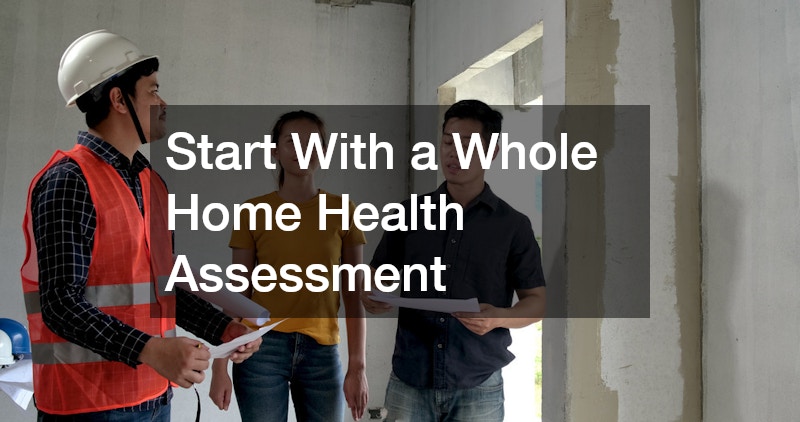
Before investing in any upgrade, it helps to understand where your home currently stands. Walk through each room and note signs of moisture, poor ventilation, drafts, or unusual odors, since these often point to bigger underlying problems. Check under sinks, around windows, and in the basement or crawl space for water stains, peeling paint, or mold growth, which can appear as dark speckling or a musty smell even before it’s visible.
It also helps to bring in a few simple tools: a hygrometer to check indoor humidity (ideally between 30-50%), a flashlight for tight spaces, and painter’s tape to test drafty windows or doors. Note the age of your HVAC filters, water heater, and any exposed insulation, since these often correlate with air quality issues.
A thorough assessment gives you a roadmap for prioritizing repairs based on urgency and impact on health. Rank issues by severity, tackling active moisture or mold first, followed by ventilation gaps, and finally cosmetic or efficiency-related concerns.
Water quality and plumbing condition deserve special attention during this evaluation. A licensed plumber can test water pressure, check for hidden leaks, and inspect pipe materials that may contribute to contamination, such as old galvanized or lead piping installed before the 1980s. Many homeowners are surprised to learn that lead solder joints, common in houses built prior to 1986, can leach into drinking water even when the pipes themselves appear sound.
A thorough visit typically includes a water pressure test (ideally reading between 40 and 80 psi), a dye test for toilet leaks, and a visual inspection of exposed pipes in basements or crawl spaces for corrosion, mineral buildup, or greenish stains that signal copper degradation. It’s also worth requesting a water quality test kit or lab analysis to screen for lead, bacteria, hardness, and pH imbalance, since municipal water reports don’t always reflect what’s happening inside your home’s specific plumbing.
Catching these issues early prevents costly water damage and protects your family from exposure to bacteria or corroded metals. Addressing a small leak or aging pipe section now, often for a few hundred dollars, can save thousands in remediation costs down the road if left unchecked.
- Inspect windows for condensation or fogging between panes, which signals excess humidity or a failed window seal
- Test water pressure at multiple faucets (ideal range is 40-60 psi) and check for cloudiness, discoloration, or odd taste that may point to plumbing or contamination issues
- Check attic and basement corners, along with crawl spaces, for musty smells, water stains, or visible mold growth
- Note any rooms that feel unusually cold, drafty, or humid, especially near exterior walls, window frames, and door thresholds
- Review the age of major systems like water heaters, furnaces, and HVAC units, since most have a 10-15 year lifespan before efficiency and air quality decline
- Check under sinks and around appliances like dishwashers and washing machines for slow leaks or warped flooring
- Test smoke and carbon monoxide detectors, replacing batteries and units older than 7-10 years
Addressing Pest Problems Before They Spread
Pests are more than a nuisance; they can compromise the structural integrity of your home and introduce allergens or bacteria into living spaces. Termites, in particular, cause billions of dollars in property damage each year because they often go unnoticed until significant harm has been done. Scheduling regular termite exterminating services is one of the most cost-effective ways to protect your investment and avoid emergency repairs later.
Beyond termites, other pests like rodents and cockroaches can trigger asthma and allergic reactions, especially in children. Sealing entry points, storing food properly, and reducing standing water around the foundation all help minimize infestations. A proactive pest management plan should be part of every homeowner’s annual maintenance checklist.
- Look for mud tubes along foundation walls, a common termite indicator
- Trim vegetation and mulch away from the home’s exterior
- Store firewood at least 20 feet from the house
- Schedule annual inspections even if no visible damage is present
Upgrading the Kitchen for Better Air and Function

The kitchen is one of the most-used rooms in any home, making it a priority area for health-focused upgrades. Older cabinetry can harbor moisture, mold, and even pest activity if wood has begun to degrade. Installing new kitchen cabinets made from moisture-resistant materials not only refreshes the look of the space but also eliminates hidden sources of allergens and improves overall indoor air quality.
Working with an experienced home remodeler ensures these upgrades are done correctly, from proper ventilation installation to selecting low-VOC finishes that reduce harmful off-gassing. A professional can also help identify whether plumbing or electrical work behind the cabinets needs updating at the same time. This coordinated approach prevents future disruptions and ensures the space is both functional and safe.
- Choose cabinets with formaldehyde-free adhesives when possible
- Add a range hood that vents outside rather than recirculating air
- Opt for water-resistant flooring near sinks and dishwashers
- Consider under-cabinet lighting to reduce reliance on harsh overhead fixtures
Protecting Your Home From the Top Down

The roof is your home’s first line of defense against weather, and its condition directly affects indoor air quality and structural health. Damaged shingles or aging materials can lead to leaks that promote mold growth, insulation damage, and even pest entry points. If your roof is nearing the end of its lifespan or showing signs of wear, a roof replacement can prevent more extensive damage and improve energy efficiency at the same time.
Modern roofing materials offer better insulation and ventilation than older options, which helps regulate indoor temperature and humidity year-round. This reduces strain on your HVAC system and can lower utility bills significantly. Regular roof inspections, especially after severe storms, help catch small issues before they become major structural concerns.
- Watch for curling, cracked, or missing shingles
- Check attic insulation for water stains or dampness
- Look for granules collecting in gutters, a sign of shingle wear
- Schedule inspections after major storms or high winds
Improving Outdoor Surfaces and Drainage
A healthy home extends beyond the walls to the surrounding property, particularly driveways and walkways that affect drainage and safety. Cracked or uneven surfaces can collect standing water, which attracts pests and creates slippery hazards during winter months. Quality asphalt paving improves drainage around the home’s foundation, reducing the risk of water intrusion into basements or crawl spaces.
Proper grading and surface maintenance also prevent erosion that can undermine your home’s foundation over time. Regular sealing extends the lifespan of paved areas and reduces the need for costly repairs. Addressing these outdoor elements protects both the structure and the people walking on these surfaces daily.
- Reseal asphalt every two to three years to prevent cracking
- Ensure surfaces slope away from the home’s foundation
- Fill small cracks promptly before winter freeze-thaw cycles
- Keep drainage channels clear of leaves and debris
Rethinking the Garage as a Health Zone
Garages often double as storage spaces for chemicals, fuel, and equipment, making air quality and safety important considerations. A malfunctioning garage door can allow drafts, pests, and exhaust fumes to seep into attached living spaces. Hiring a qualified garage door installer to replace worn seals or upgrade to a better-insulated door improves both energy efficiency and indoor air safety.
Beyond the door itself, proper ventilation in the garage helps disperse fumes from vehicles, paints, and cleaning supplies. Installing a carbon monoxide detector near the entry point to your home adds an extra layer of protection. These small changes make a noticeable difference in the overall air quality throughout your home.
- Check weatherstripping around the garage door annually
- Store chemicals in sealed, labeled containers away from living spaces
- Install a carbon monoxide detector near the garage entry door
- Consider insulated doors to reduce temperature swings
Weighing Renovation Versus New Construction

Sometimes the healthiest option for your family is not renovating an older structure but starting fresh with a design built around modern health and efficiency standards. Homes built before the 1970s often carry hidden liabilities—lead paint, asbestos insulation, outdated wiring, and wall cavities with little to no vapor barrier—that no amount of renovation can fully erase. When these risks are extensive, new construction can be more cost-effective than a deep remediation project, especially once abatement, permitting, and structural repairs are factored into a renovation budget.
Custom home builders can incorporate advanced ventilation systems, non-toxic building materials, and optimal natural lighting from the ground up. This might include energy recovery ventilators (ERVs) that exchange stale indoor air for fresh air without sacrificing heating or cooling efficiency, low- or zero-VOC paints and adhesives, and formaldehyde-free insulation such as mineral wool or cellulose. Builders can also orient the home on its lot to maximize daylight and passive solar heating, reducing both energy costs and reliance on artificial lighting.
This approach allows for greater control over air quality, energy use, and long-term durability compared to retrofitting an older home. Because every material and system is selected during the design phase, homeowners avoid the compromises that come with working around existing framing, outdated ductwork, or inaccessible wall cavities. The result is a house engineered as a single, cohesive system rather than a patchwork of upgrades layered onto an aging structure.
New construction also offers the opportunity to plan layouts that minimize moisture-prone areas and maximize natural airflow. Builders can orient homes to capture prevailing breezes, position bathrooms and laundry rooms away from bedrooms, and install vapor barriers and continuous ventilation systems from day one rather than retrofitting them later.
While this route requires more upfront investment—often 20-30% more than a comparable renovation—it often reduces long-term maintenance and health-related repair costs. Modern building codes also mandate better insulation, air sealing, and moisture control standards that older homes simply weren’t built to meet.
For homeowners dealing with extensive structural or environmental issues, such as persistent mold behind walls, failing foundations, or outdated plumbing prone to leaks, building new can be more practical than continuous patchwork fixes. A structural engineer or environmental inspector can help determine whether repair costs are approaching the threshold where a fresh start makes better financial and health sense.
- Discuss ventilation and air filtration options early, such as ERV/HRV systems and MERV 13+ filters, to manage moisture and indoor pollutants
- Ask about low-toxicity insulation and building materials, like formaldehyde-free batts or mineral wool, plus low-VOC paints and adhesives
- Consider energy-efficient window placement for natural light and airflow, factoring in cross-ventilation and seasonal sun angles
- Evaluate double- or triple-pane, low-E glass to balance daylight with thermal performance
- Plan for future-proofing features like solar readiness, including conduit pathways and roof orientation for panels
- Include provisions for EV charging and battery storage to support long-term energy upgrades
Managing the Moving Process Without Added Stress
Whether you are relocating during a major renovation or moving into a newly built home, the moving process itself can introduce unexpected health and safety challenges. Heavy lifting, improper packing, and rushed timelines often lead to injuries or damaged belongings. Hiring commercial movers for larger relocations reduces physical strain and ensures fragile or hazardous items are transported safely.
Professional movers also bring experience in handling bulky furniture and appliances without damaging floors, walls, or doorways in your new or existing home. This is especially valuable if you are coordinating a move around ongoing construction or renovation work. Planning logistics carefully minimizes downtime and keeps your household running smoothly during a transition.
- Label boxes by room to speed up unpacking
- Confirm insurance coverage for valuable or fragile items
- Schedule moves around any active construction timelines
- Ask movers about eco-friendly packing material options
Encouraging Healthier Habits Around the Property
A healthier home also supports healthier daily routines, including how you and your family move around the neighborhood. Reducing reliance on cars for short trips cuts down on emissions and encourages more physical activity. Many communities now offer electric bike rental programs, giving homeowners a convenient, low-impact way to run errands or commute without adding stress to their vehicles or the environment.
Incorporating more active transportation options can also reduce noise and air pollution directly around your property, contributing to a cleaner outdoor environment. This is a simple, low-cost strategy that complements the larger structural improvements discussed throughout this guide. Small lifestyle shifts like this add up to meaningful long-term benefits for both health and sustainability.
- Look for local electric bike rental stations near your neighborhood
- Use bikes for short errands instead of starting the car
- Encourage family members to combine trips to reduce overall vehicle use
- Check local incentives for eco-friendly transportation programs
Creating a healthier home is not about one single fix but a series of thoughtful, strategic improvements that address air quality, structural safety, and daily habits. From inspecting plumbing and eliminating pest threats to upgrading roofing and outdoor surfaces, each step contributes to a safer, more comfortable living environment. Start with the areas that pose the greatest risk, then work through the rest of your list as time and budget allow. Taking action now, even in small steps, puts you on the path toward a home that truly supports your family’s wellbeing for years to come.