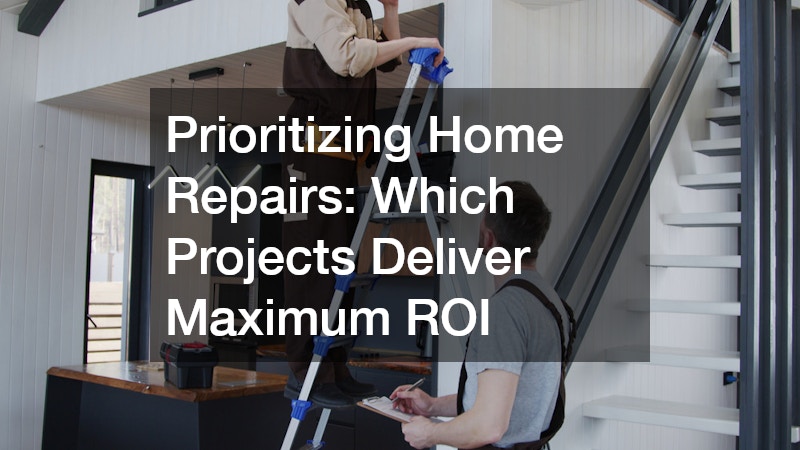

Deciding which home repair to tackle first can feel overwhelming, especially when your budget is limited and every project seems urgent. The truth is that not all repairs offer the same return on your investment, and some issues left unaddressed can spiral into far more expensive problems down the road. This guide breaks down the projects that protect your home’s value, prevent costly damage, and matter most to future buyers. By understanding where to focus your time and money, you can make confident, informed decisions rather than reactive ones.
Why Some Repairs Matter More Than Others
Not every home improvement project pays off equally when it comes time to sell or simply maintain your property’s worth. Repairs that address structural integrity, safety, or major systems tend to deliver the highest returns because they prevent bigger failures later. Cosmetic upgrades might feel satisfying, but they rarely protect your investment the way functional repairs do. Understanding this distinction helps you prioritize wisely instead of spreading your budget too thin.
Think of your home as a system of interconnected parts, where a small problem in one area can create expensive consequences elsewhere. A leaky roof, for example, can damage insulation, drywall, and even electrical wiring if ignored for too long. The projects with the best ROI are usually the ones that stop small issues from becoming major disasters.
Protecting Your Home From the Top Down
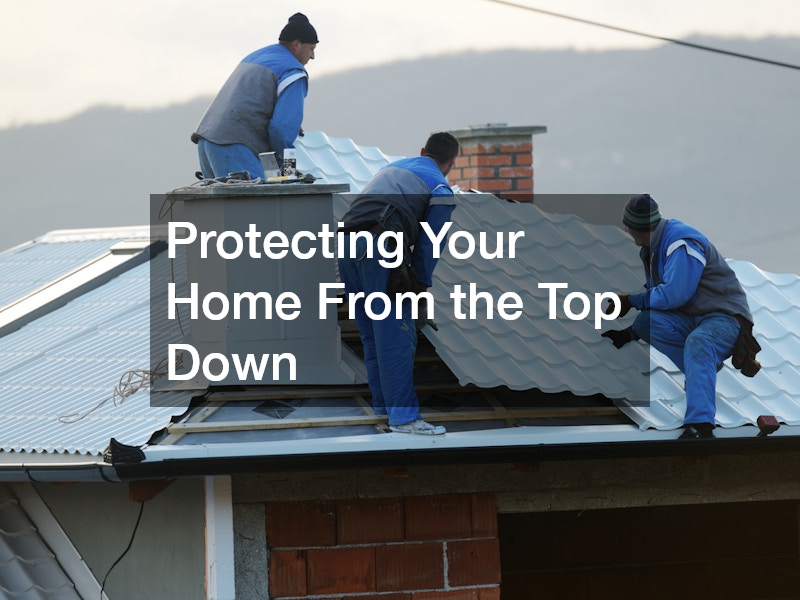
Your roof is one of the most critical components of your home, acting as the first line of defense against weather and water intrusion. Delaying roof repairs often leads to hidden leaks that damage attic insulation, ceiling drywall, and structural framing before you even notice a problem. In fact, a small leak left unaddressed for a single rainy season can turn a $300 shingle fix into a $5,000 mold remediation and framing repair job.
Addressing minor issues like cracked shingles, damaged flashing, or worn pipe boots early can save thousands of dollars in interior repairs later. A basic roof repair, such as replacing a handful of shingles, typically costs a few hundred dollars, while a full tear-off and replacement can run $8,000 to $15,000 depending on square footage and materials.
Because of the risks involved in working at height and diagnosing subtle leaks, this is one job best left to professionals. A licensed roofer can spot early warning signs, such as granule loss, soft decking, or cracked sealant, that homeowners often miss, and most reputable contractors offer free inspections to assess the scope of needed work.
Your roof takes the brunt of nature’s punishment year after year, from UV rays and hail to windstorms and ice dams, making it one of the first things to fail if neglected. Hiring experienced residential roofers ensures that any underlying issues, such as ventilation problems, damaged flashing, or improper installation, are caught before they worsen into costly structural damage. Small signs like curling shingles, granule loss, or a slow water stain on the ceiling can indicate a problem that’s still cheap to fix.
A qualified roofing professional can also help you understand whether a full replacement or a targeted repair makes more financial sense for your specific situation. According to industry data, a full asphalt shingle roof replacement typically recoups 60-70% of its cost at resale, while patching isolated damage can preserve most of that value at a fraction of the price. Factors like the roof’s age, the extent of the damage, and how many years of useful life remain should all factor into that decision.
Given that roofing is one of the top factors buyers evaluate during a home inspection, keeping it in good condition consistently ranks among the highest ROI projects available. A roof nearing the end of its lifespan, generally 20-25 years for asphalt shingles, can also become a negotiating point that costs sellers far more at closing than the price of proactive maintenance. Scheduling an inspection every couple of years, and especially after major storms, helps homeowners stay ahead of expensive surprises.
Addressing Hidden Plumbing Problems Before They Escalate
Plumbing issues are notorious for staying hidden until they cause significant damage, and one of the most serious examples is a slab leak. This occurs when a water line beneath your home’s foundation begins to leak, often going unnoticed until you spot warm spots on the floor or unexplained spikes in your water bill. Prompt slab leak repair prevents structural damage to your foundation and helps you avoid mold growth that can affect indoor air quality. Because these leaks are difficult to diagnose without specialized equipment, addressing them quickly protects both your home’s value and your family’s health.
- Watch for unexplained increases in your water bill
- Listen for the sound of running water when all fixtures are off
- Check for warm or damp spots on flooring
- Note any cracks appearing in walls or foundation
- Schedule an inspection if you notice a musty smell indoors
Keeping Your Home’s Exterior in Good Shape
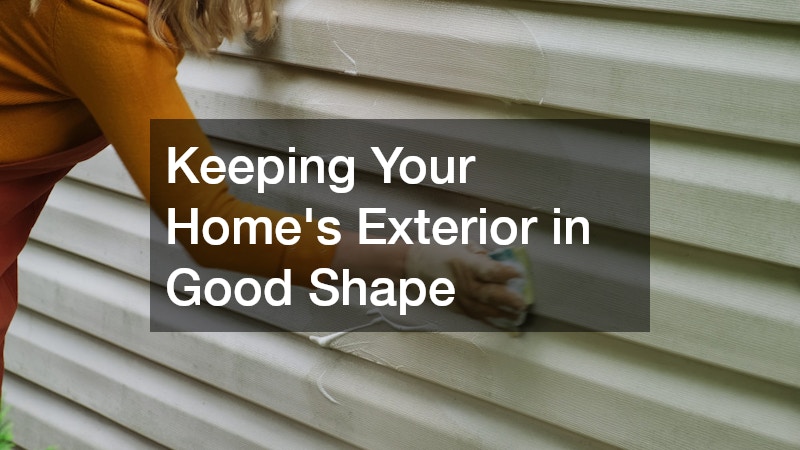
The exterior of your home takes the brunt of weather exposure year-round, and worn or damaged siding can lead to moisture infiltration that compromises the structure underneath. Replacing rotted or warped panels not only improves curb appeal but also protects the wood framing and insulation behind the walls. Many homeowners are surprised to learn that updated exterior materials can offer one of the strongest returns among all remodeling projects, largely because first impressions carry significant weight with potential buyers.
Working with a reputable siding company allows you to explore durable, low-maintenance materials that hold up against harsh weather while boosting energy efficiency. Modern options include fiber cement, engineered wood, and insulated vinyl, each offering different balances of cost, durability, and appearance. Choosing the right material for your climate can extend the lifespan of your investment and reduce future maintenance costs significantly.
Evaluating Your Home’s Comfort Systems
Heating and cooling systems are often overlooked until they fail completely, but proactive maintenance can prevent expensive emergency replacements. Scheduling routine hvac service helps catch small issues, like worn belts or refrigerant leaks, before they turn into complete system breakdowns. An efficiently running system also reduces monthly energy bills, which adds up to meaningful savings over time. Buyers pay close attention to the age and condition of heating and cooling equipment, making this an area where consistent upkeep pays off both immediately and long-term.
If your system is more than 12 to 15 years old, it may be worth getting a professional evaluation to determine whether repair or replacement makes more financial sense. Newer, energy-efficient units often qualify for utility rebates and can significantly lower operating costs. Weighing the upfront cost against long-term energy savings is key to making a smart decision for your household budget.
Managing Water Around Your Property
Poor drainage is one of the most underestimated threats to a home’s foundation, landscaping, and even neighboring properties. Effective storm water management directs rainfall away from your foundation, preventing basement flooding, soil erosion, and standing water that attracts pests. Simple solutions like grading adjustments, French drains, and properly placed downspout extensions can make a dramatic difference in protecting your property. Addressing drainage issues before they cause damage is far less expensive than repairing a flooded basement or a cracked foundation later.
- Ensure downspouts direct water at least five feet from the foundation
- Grade soil so it slopes away from the house
- Consider a French drain system for chronically wet areas
- Inspect gutters regularly to prevent overflow
- Address low spots in the yard where water tends to pool
Enhancing Outdoor Structures That Boost Value

Outdoor improvements often get dismissed as purely cosmetic, but certain projects offer genuine functional and financial benefits. Professional fence installation can improve privacy, security, and safety for children or pets while also enhancing curb appeal. According to industry cost-versus-value data, a mid-range wood fence can recoup 50-60% of its cost at resale, while vinyl and aluminum options often perform even better thanks to their durability and low upkeep.
A well-built fence made from durable materials requires less maintenance over time and can be a strong selling point for families evaluating a property. Materials like vinyl, composite, or powder-coated aluminum resist rot, warping, and pest damage far better than untreated wood, meaning homeowners save on repairs and repainting for years. Homebuyers touring a property often view a sturdy, attractive fence as a sign that other exterior maintenance has been handled responsibly.
Beyond aesthetics, fencing can also help define property lines and reduce potential boundary disputes with neighbors. Before installation, it’s worth confirming lot lines with a survey and checking local HOA or municipal codes, since height restrictions and setback requirements vary widely by jurisdiction. Taking these steps upfront helps avoid costly relocations or legal disagreements down the road, protecting both the investment and the long-term value it’s meant to add.
Similarly, your driveway plays a bigger role in first impressions and daily functionality than many homeowners realize. Cracked, uneven, or crumbling pavement can make an entire property feel neglected, even if the interior is in excellent condition. Real estate agents often note that a deteriorating driveway is one of the first things buyers mention during a showing, sometimes before they’ve even stepped inside.
The material you choose matters as much as the repair itself. Asphalt resurfacing typically costs less upfront and can recoup 60-70% of its cost at resale, while stamped concrete or pavers command a higher initial investment but often deliver stronger curb appeal and longevity of 25-30 years with proper care.
Partnering with an established driveway company ensures proper grading, drainage, and material selection so your investment lasts for decades rather than needing frequent patchwork repairs. A reputable contractor will also assess soil conditions and freeze-thaw cycles in your region, since these factors determine how thick the base layer needs to be to prevent premature cracking. Skimping on this preparation is one of the most common reasons driveways fail years ahead of schedule.
Finishing Basement Space for Added Living Area
An unfinished or underutilized basement represents lost potential square footage that could otherwise serve as a bedroom, office, or entertainment space. A well-executed basement remodel can significantly increase your home’s usable living area without the expense of building an addition. Because basements are naturally prone to moisture, addressing waterproofing and proper insulation before finishing the space is essential to avoid future mold or structural issues. When done correctly, this type of project consistently ranks among the higher-return renovations due to the added functional space it creates.
- Confirm proper waterproofing before starting any finishing work
- Install adequate insulation to regulate temperature year-round
- Add sufficient lighting since basements often lack natural light
- Include a functional layout, such as a bedroom or home office
- Check local codes regarding egress windows for safety
Choosing the Right Professionals for the Job
Even the best-planned repair can fall short if it is not executed properly, which is why selecting qualified professionals matters as much as choosing the right project. Researching multiple remodeling companies before committing allows you to compare pricing, timelines, and past project quality. Always verify licensing, insurance, and customer reviews to avoid costly mistakes or unfinished work. Taking the time to vet contractors thoroughly protects both your budget and the long-term value of your home.
A trustworthy contractor should be willing to provide a detailed written estimate, a realistic timeline, and references from previous clients. Transparency throughout the process, from initial consultation to final walkthrough, is a strong indicator of professionalism and reliability. Investing extra time upfront to find the right team often prevents costly rework and ensures your repair dollars are well spent.
Prioritizing home repairs does not have to feel overwhelming once you understand which projects protect your investment and which are simply cosmetic. Focus first on structural, water, and system-related issues, since these tend to prevent the most expensive damage and offer the strongest long-term returns. From there, exterior and outdoor improvements can further boost both function and curb appeal. Start by assessing your home’s most pressing needs, get professional input where necessary, and tackle repairs in order of impact rather than convenience.