
Every homeowner faces a moment of decision: fix the small problem now, or wait until later when money feels less tight. That “wait and see” approach can feel harmless in the short term, but deferred maintenance rarely stays cheap. Small issues compound quietly behind walls, under floors, and across rooftops until they become expensive emergencies. Understanding where these hidden costs come from is the first step toward protecting both your home’s value and your wallet.
Why Small Repairs Turn Into Big Bills
Most home problems do not stay the same size while you postpone them. Water stains grow into rot, minor cracks widen into structural concerns, and a squeaky part often signals a mechanical system working harder than it should. The longer a small issue goes unaddressed, the more surrounding materials and systems it tends to damage. This ripple effect is exactly why deferred maintenance decisions end up costing far more than the original repair would have.
Homeowners often underestimate how interconnected home systems are. A leaky pipe does not just waste water; it can weaken flooring, encourage mold, and eventually require replacing cabinetry or drywall. Thinking of your home as a network of dependent systems, rather than isolated parts, helps put the true cost of delay into perspective.
The Real Price of Ignoring Roof Damage
Roof issues are notorious for hiding in plain sight. A few missing shingles or a small leak might seem cosmetic, but moisture intrusion can silently damage insulation, framing, and ceiling drywall long before a stain appears indoors. By the time interior damage is visible, the underlying structure has often been compromised for months. Calling a residential roofer at the first sign of trouble is almost always cheaper than waiting for a full replacement.
- Small leaks can lead to mold growth inside attic spaces
- Sagging rooflines often indicate weakened support structures
- Missing granules on shingles signal accelerated aging
- Delayed repairs can void manufacturer warranties
- Water damage frequently spreads to walls and insulation before detection
Septic and Plumbing Neglect Adds Up Fast
Septic systems are easy to forget because they work underground and out of sight. Skipping routine septic pumping allows solid waste to build up, which can clog drain fields and force costly excavation repairs. What starts as a simple maintenance appointment can turn into a full system replacement if neglected long enough. Regular servicing is one of the most affordable ways to protect a home’s wastewater system from catastrophic failure.
Slow drains, gurgling pipes, or soggy patches in the yard are early warning signs that should never be ignored. These symptoms often indicate that a septic tank is nearing capacity or that a blockage is forming. Addressing these signals early keeps repair costs predictable rather than emergency-priced.
Garage Doors and the Cost of Overlooked Wear
Garage doors take on constant mechanical stress, yet many homeowners only think about them when they stop working entirely. Worn springs, frayed cables, or misaligned tracks can strain the opener motor and eventually cause a full system breakdown. Reaching out to garage door companies for a routine inspection can catch these issues before they escalate into safety hazards or expensive replacements. Because garage doors are also a major entry point into the home, deferred repairs can even compromise security.
- Unusual noises during operation often signal worn hardware
- Uneven movement can indicate track or spring misalignment
- Delayed lubrication accelerates wear on moving parts
- A door that reverses unexpectedly may have a failing safety sensor
Kitchen Wear That Quietly Devalues Your Home

Kitchens endure more daily wear than almost any other room, yet cosmetic issues are often dismissed as low priority. Warped cabinets, failing seals around sinks and appliances, and outdated layouts can eventually affect functionality, not just appearance. A cabinet door that no longer closes flush, for instance, often signals moisture damage spreading quietly inside the wood.
Small leaks under sinks or behind dishwashers can go unnoticed for months, softening subfloors and encouraging mold growth long before any visible sign appears. Grout that’s cracked or missing lets water seep behind tile, undermining structural backing boards over time.
Putting off kitchen remodeling for too long often means dealing with multiple problems simultaneously instead of addressing them individually over time. What could have been a $500 cabinet repair or resealing job can turn into a full renovation costing tens of thousands once flooring, plumbing, and electrical systems are all compromised together. This convergence significantly increases both the cost and disruption of eventual renovations, often forcing homeowners to live without a functional kitchen for weeks instead of days.
Countertops are a particularly overlooked area of deferred maintenance. Small cracks near the sink, chipped edges, or worn sealant along the seams can allow moisture to seep beneath the surface, especially in laminate and butcher block styles that lack the water resistance of stone. Once water gets underneath, it slowly damages cabinets and subfloor material, often without any visible sign until the wood begins to warp or a musty smell develops.
The cost difference between catching this early and letting it go is significant. Resealing or replacing a damaged section of countertop might run a few hundred dollars, while repairing rotted subflooring and cabinet boxes can easily push a project into the thousands. Homeowners also lose the option of a simple swap once water damage spreads, since matching materials and finishes becomes harder the longer repairs are delayed.
A quick annual check is usually enough to catch problems early: run a hand along seams for softness, check under the sink for staining, and reseal natural stone countertops every one to two years. Replacing damaged countertops early prevents secondary damage and keeps kitchen renovation costs contained rather than spiraling into a full remodel.
HVAC Neglect and Rising Energy Costs
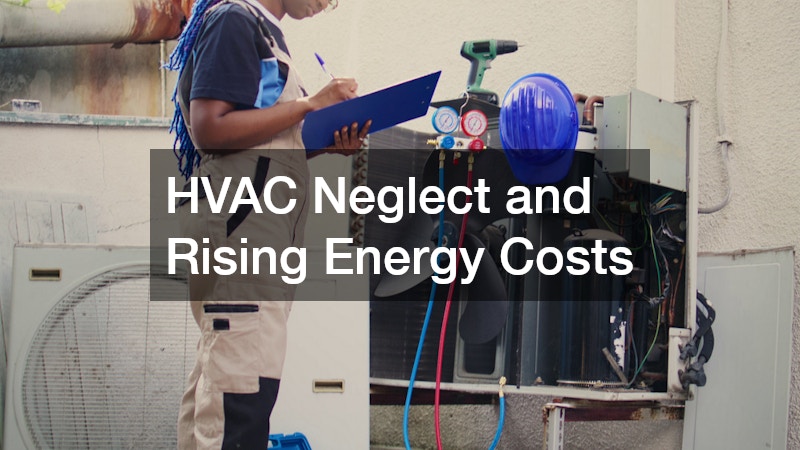
Heating and cooling systems lose efficiency gradually, so many homeowners do not notice a problem until utility bills spike or the system fails completely. Dirty filters, low refrigerant, and worn components force the system to work harder, shortening its lifespan. Scheduling local AC repair at the first sign of reduced performance is far less expensive than replacing an entire unit that has failed from prolonged strain. Regular maintenance also helps maintain manufacturer warranties, which often require documented service history.
- Inconsistent room temperatures can indicate airflow issues
- Rising energy bills without added usage may signal declining efficiency
- Strange noises often point to worn motors or loose components
- Frequent cycling on and off can strain the compressor over time
Overgrown Trees and the Risk to Your Property
Trees add beauty and shade, but neglected limbs and root systems can pose serious risks to a home’s structure and safety. Overhanging branches can damage roofing, gutters, and siding during storms, while unchecked root growth can crack driveways, foundations, and underground pipes. Hiring a tree removal company for hazardous or dead trees before they fail can prevent significant property damage and costly emergency cleanup. Waiting until a storm forces the issue almost always increases both the cost and danger involved.
Regular tree assessments are especially important for older or diseased trees near structures. Signs like exposed roots, leaning trunks, or dead branches should prompt a professional evaluation rather than a wait-and-see approach. Proactive removal or trimming is typically far less expensive than storm damage repair.
Outdoor Surfaces That Deteriorate Faster Than Expected

Patios, walkways, and driveways experience constant exposure to weather, foot traffic, and temperature shifts, all of which accelerate wear over time. Freeze-thaw cycles are particularly damaging, since water that seeps into small cracks expands as it freezes, widening gaps a little more with each passing winter. Even a hairline crack can grow into a serious structural issue within a couple of seasons if left unaddressed.
Cracked or uneven patio pavers are not just a cosmetic issue; they can become tripping hazards and allow water to seep beneath the surface, causing further shifting. A paver that has settled by even half an inch can catch a shoe or unbalance a dolly, creating real liability around the home. Once water gets underneath, it erodes the base layer, and what started as one loose paver often spreads to the surrounding section within a year or two.
Driveways face an added layer of stress from vehicle weight, oil exposure, and de-icing chemicals, which can accelerate surface breakdown and staining. Small potholes or spreading spiderweb cracks are early warning signs that the base beneath the asphalt or concrete is failing, not just the top layer. Sealing a driveway every two to three years is far less expensive than replacing a section that has fully deteriorated.
Addressing minor surface damage early, such as re-leveling a few pavers or patching a small crack, prevents the need for a full outdoor rebuild later. Homeowners who inspect these surfaces each spring and fall, after the toughest weather cycles, are far more likely to catch problems while a simple repair is still the only option needed.
Driveways and larger paved areas face similar risks when small cracks are ignored. Water infiltration during freeze-thaw cycles can widen these cracks dramatically, leading to potholes and structural weakening. Once a crack exceeds roughly a quarter-inch in width, water can seep beneath the surface and undermine the base layer, accelerating damage with each seasonal cycle.
Asphalt and concrete respond differently to neglect: asphalt tends to develop alligator cracking and crumbling edges, while concrete is more prone to heaving and spalling. Experienced paving contractors often recommend sealing and minor repairs every two to three years, since this routine upkeep is significantly cheaper than full repaving. A typical sealcoating job might cost a few hundred dollars, while replacing an entire driveway can run into the thousands.
Beyond cost, delaying repairs also shortens the overall lifespan of the pavement, meaning homeowners lose years of usable surface life for the sake of avoiding a relatively small, manageable expense.
- Small cracks can widen quickly during seasonal temperature changes, with freeze-thaw cycles turning a hairline gap into a half-inch fissure in a single winter
- Uneven surfaces increase liability and safety risks, especially on walkways and steps where a 1/4-inch height difference can cause trips
- Poor drainage accelerates surface erosion, washing out base materials beneath driveways and patios and leading to sinking or shifting slabs
- Standing water left unaddressed for 48+ hours can seep into subgrade layers, weakening support and causing potholes
- Regular sealing extends the lifespan of paved areas, with asphalt typically needing resealing every 2-3 years and concrete every 4-5 years
- Delaying sealcoating by even one season can allow UV rays and moisture to break down binding agents, shortening surface life by years
Fencing Damage That Escalates With Time
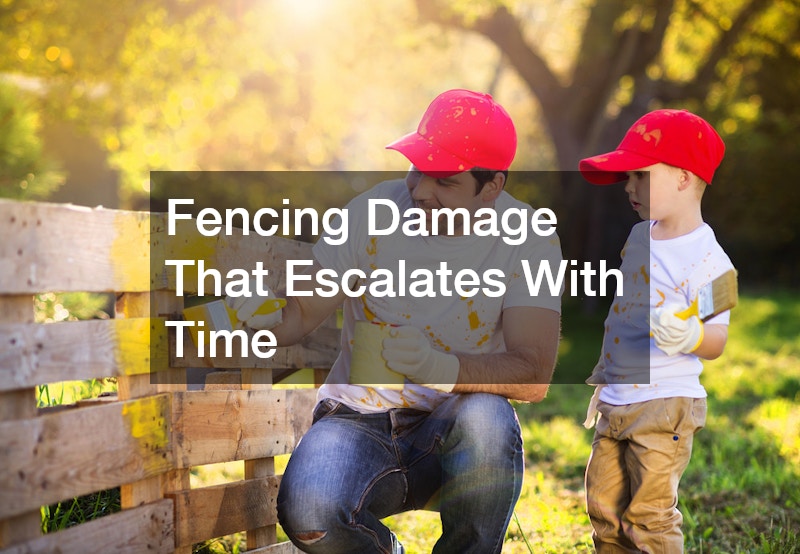
Fences take on daily exposure to wind, moisture, and shifting soil, making them prone to gradual structural weakening. A leaning post or loose board might seem like a minor cosmetic flaw, but it often signals deeper foundation issues that will worsen with time. Consulting a fence contractor early can prevent a small repair from becoming a full fence replacement. Beyond appearance, a damaged fence can also compromise privacy, security, and even pet or child safety.
- Leaning posts often indicate loosened or rotting foundations
- Rust on metal fencing can spread and weaken structural integrity
- Gaps or broken sections reduce security and curb appeal
- Wood fencing requires periodic sealing to prevent moisture damage
Building a Realistic Home Maintenance Budget
One reason maintenance gets deferred is that homeowners rarely plan for it financially. Setting aside a small percentage of your home’s value each year for upkeep creates a buffer that makes routine repairs feel manageable rather than burdensome. This approach also reduces the temptation to postpone necessary work simply because the timing feels inconvenient.
Tracking the age and condition of major home systems can help you anticipate costs before they become emergencies. A simple maintenance calendar or spreadsheet noting inspection dates and expected lifespans for your roof, HVAC system, and outdoor structures can turn guesswork into a proactive plan. This kind of foresight is often the difference between a manageable repair and a financial surprise.
Deferred maintenance rarely saves money; it simply delays and often multiplies the eventual cost. By paying attention to early warning signs and addressing issues before they escalate, homeowners can protect both their property value and their long-term budget. The smartest next step is a simple one: walk through your home this week and note anything that has been quietly waiting for attention. Taking action now, even in small steps, is the most reliable way to avoid the hidden costs of waiting too long.