
Every homeowner budgets for the mortgage, utilities, and maybe a little home decor, but the systems working quietly behind the scenes rarely get a line item until they break. Skipping routine maintenance does not save money, it just delays the bill and usually makes it bigger. Understanding which systems fail fastest without attention helps you prioritize your time and money before a small issue becomes an emergency. This guide walks through the most common budget drains and what you can do to stay ahead of them.
The Roof Over Your Head Needs Regular Checkups
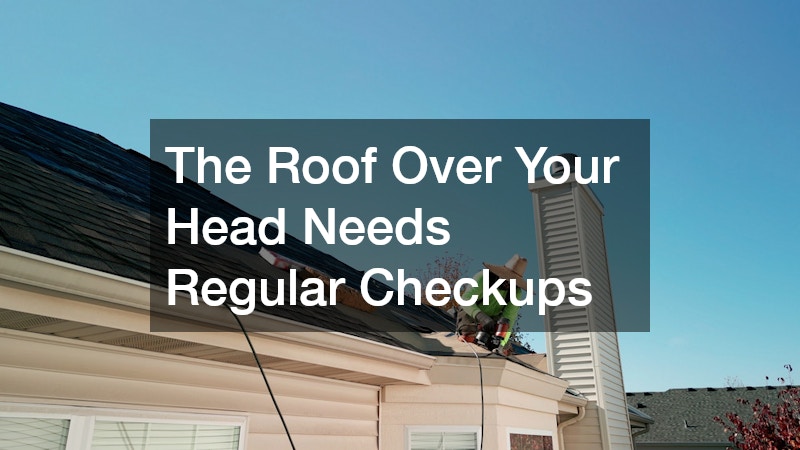
Your roof takes on more abuse than almost any other part of your house, from sun exposure to hail to years of freeze and thaw cycles. Small problems like a cracked shingle or a loose flashing seal are cheap to fix but easy to ignore because they are literally out of sight. Left alone, these minor issues let water seep into the decking, leading to rot, mold, and eventually a much larger repair bill.
Scheduling an annual inspection with roofing contractors is one of the most cost-effective moves a homeowner can make. Professionals can spot early warning signs like granule loss, curling edges, or soft spots that are hard to notice from the ground.
- Check for missing or curling shingles after major storms
- Clean gutters twice a year to prevent water backup under the roofline
- Look for daylight or water stains in the attic
- Trim overhanging branches that can damage shingles or trap moisture
Heating and Cooling Systems Work Harder Than You Think
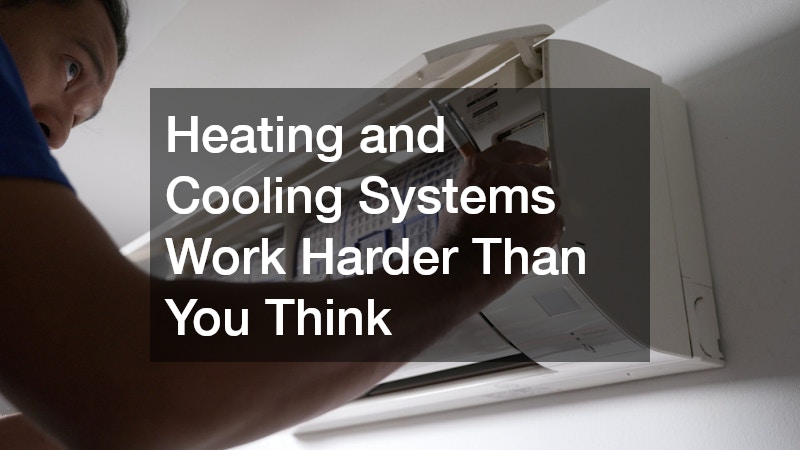
Your HVAC system runs almost constantly during extreme weather, and like any machine with moving parts, it wears down faster without upkeep. Dirty filters, clogged coils, and low refrigerant force the system to work overtime, which shortens its lifespan and spikes your energy bill. A filter clogged with dust can reduce airflow by 15% or more, making the blower motor strain to push air through the ductwork.
That extra strain adds up. A neglected system can lose 5% of its efficiency each year, and refrigerant leaks alone can drive cooling costs up by 20% while slowly damaging the compressor, one of the most expensive parts to replace.
Many homeowners do not realize a struggling system until it stops working completely, usually during the hottest or coldest week of the year. By then, a simple filter swap or coil cleaning has often turned into a compressor failure or a cracked heat exchanger, replacements that can run into the thousands rather than the cost of a routine seasonal tune-up.
Your HVAC system quietly runs longer hours than almost any other appliance in the house, cycling on and off dozens of times a day to keep temperatures steady. That constant workload means dust, worn parts, and refrigerant issues build up gradually, often without any obvious warning signs until the system stops working altogether.
Reputable HVAC companies recommend seasonal tune-ups in spring and fall, timed just before the heavy cooling and heating seasons begin. A technician will typically check refrigerant levels, inspect electrical connections, clean coils, and test the thermostat—small fixes that cost far less than an emergency repair or a full system replacement.
A simple filter change every one to three months also goes a long way toward keeping air quality and efficiency where they should be. Homes with pets or allergy sufferers may need to swap filters closer to the one-month mark, since clogged filters force the system to work harder and can raise energy bills by 5 to 15 percent.
Beyond filters, keeping outdoor condenser units clear of leaves, grass clippings, and debris helps maintain proper airflow. Even a few inches of overgrown vegetation around the unit can reduce efficiency and shorten the system’s overall lifespan.
- Replace air filters every 1-3 months (more often with pets or allergies) to prevent airflow restriction that strains the blower motor
- Keep outdoor condenser units clear of leaves, grass clippings, and shrubs, maintaining at least 2 feet of clearance for proper airflow
- Schedule professional inspections each spring and fall, before peak cooling and heating demand hits the system
- Have technicians check refrigerant levels, electrical connections, and thermostat calibration during these visits
- Watch for unusual noises like grinding or squealing, burning odors, or rooms that heat and cool unevenly
- Address minor issues immediately—a small refrigerant leak or worn belt is far cheaper to fix than a compressor replacement
Water Heaters Rarely Give Much Warning
A water heater can run for years without complaint and then fail suddenly, often leaving a puddle on the floor as the first sign of trouble. Sediment buildup inside the tank is one of the biggest culprits, reducing efficiency and corroding the tank from the inside out over time. Flushing the tank once a year removes this sediment and can meaningfully extend the unit’s working life.
Most tank-style water heaters last eight to twelve years, and once a unit starts showing rust-colored water or inconsistent temperatures, water heater replacement is usually more practical than continued repairs. Waiting too long risks a burst tank, which can cause significant water damage to floors, walls, and belongings nearby.
- Flush the tank annually to remove sediment buildup
- Check the pressure relief valve for proper function
- Note the manufacture date to track approaching lifespan
- Consider a tankless model if hot water demand is high
Private Water Systems Depend on Consistent Care
Homeowners with a private well often forget that their water supply relies on mechanical components that need the same attention as any other home system. Pressure tanks, pumps, and filtration components can degrade quietly, leading to reduced water pressure or contamination risks that are not always obvious right away. Annual water testing is one of the simplest ways to catch a developing problem before it affects your household’s health.
Working with experienced water well services for periodic inspections helps ensure the pump, pressure switch, and filtration system are all functioning correctly. Catching a failing pump early is far less expensive than an emergency replacement when the well suddenly stops producing water.
- Test water quality at least once a year
- Inspect the pressure tank for waterlogging or leaks
- Replace filters and softener media on schedule
- Listen for short-cycling pumps, a sign of tank trouble
Garage Doors Are a Daily Workhorse
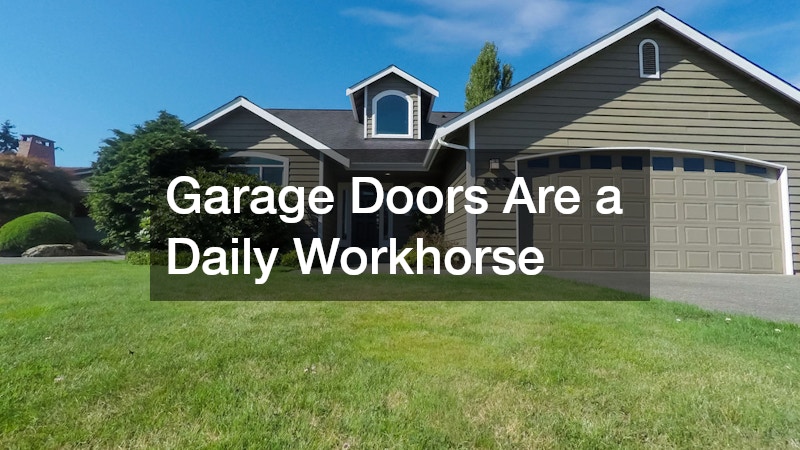
The garage door is likely one of the most frequently used moving parts of your home, opening and closing dozens of times a week. Springs, cables, and rollers wear down gradually, and without lubrication or adjustment, the door can become unbalanced or unsafe to operate. A door that struggles to open smoothly is often signaling that a part needs attention before it fails completely, sometimes trapping a vehicle inside or outside the garage.
Many garage door companies recommend a professional tune-up once a year to check spring tension, track alignment, and safety sensor function. This small investment prevents the far more expensive scenario of a snapped cable or a door that comes off its tracks entirely.
- Lubricate rollers, hinges, and tracks twice a year
- Test the auto-reverse safety feature regularly
- Watch for uneven movement or grinding noises
- Tighten loose hardware as soon as it is noticed
Flooring Wears Down Faster Than Most People Expect
Flooring absorbs constant foot traffic, spills, sunlight, and humidity changes, all of which take a toll over time even when damage is not immediately visible. Hardwood can warp with moisture exposure, tile grout can crack and stain, and carpet fibers flatten and trap allergens if not cleaned regularly. Ignoring small issues like a loose plank or a stained patch usually leads to a much larger repair or replacement project down the road.
A quick conversation with staff at local flooring stores can help you understand which cleaning products and maintenance schedules are right for your specific material. They can also advise on humidity control, which matters more than most homeowners realize for keeping wood and laminate floors stable over the years.
- Reseal grout lines every one to two years
- Use furniture pads to prevent scratches and dents
- Vacuum and deep clean carpets on a regular schedule
- Monitor humidity levels to protect wood and laminate flooring
Outdoor Spaces Have Their Own Maintenance Needs
Backyards and pool areas come with safety and comfort concerns that are easy to overlook until warmer months arrive. Standing water in gutters, birdbaths, or unused planters becomes a breeding ground for mosquitoes, and it only takes about a week for eggs laid in stagnant water to hatch into biting adults. A proactive mosquito control routine—checking for pooled water weekly, treating problem areas, and clearing debris—keeps outdoor gatherings enjoyable instead of miserable.
Waiting until bites and buzzing become unbearable usually means the problem has already established itself around your property, and by then you’re dealing with an active population rather than prevention. Beyond mosquitoes, decks and fences need periodic sealing or staining to resist warping, splintering, and rot from sun and moisture exposure.
Pool equipment deserves the same attention: filters, pumps, and chemical balances that go unchecked can lead to costly repairs or unsafe swimming conditions. Even outdoor lighting and irrigation systems benefit from a seasonal once-over, since small issues like cracked sprinkler heads or exposed wiring tend to worsen quickly when left outdoors year-round.
Outdoor spaces, especially those with pools, come with their own maintenance checklist that’s easy to overlook until something fails. Safety barriers need just as much attention as pest prevention or gutter cleaning. Installing removable pool fencing gives families flexibility for gatherings and pool parties while still meeting safety standards for young children and pets, since most local codes require barriers at least four feet high with self-latching gates.
Inspecting the fencing periodically ensures latches and panels remain secure over time. Check for rust on hinges, warping in the posts, and gaps that may have developed from ground shifting or repeated setup and teardown. A twice-a-year inspection, ideally before and after peak swimming season, catches wear before it becomes a liability.
Beyond the fence itself, examine anchor points and base plates, since these bear the most stress and are often the first to loosen. Replacing worn latches or damaged mesh promptly costs far less than dealing with an accident or a code violation fine down the road.
- Empty birdbaths, buckets, gutters, and plant saucers weekly during warm months to eliminate standing water before it collects
- Check that downspouts drain fully away from the yard rather than pooling near the foundation
- Schedule seasonal mosquito and pest treatments before populations peak, typically starting in early spring
- Inspect pool fencing latches, hinges, and panels each season for rust, warping, or loose hardware that could compromise safety
- Test self-closing gate mechanisms regularly, since local codes often require them to shut and lock automatically
- Store removable fencing sections indoors or under cover during off-season months to prevent sun damage and weakening
- Replace worn fasteners or connectors promptly rather than waiting for a full panel failure
Storage Spaces Affect More Than Just Clutter
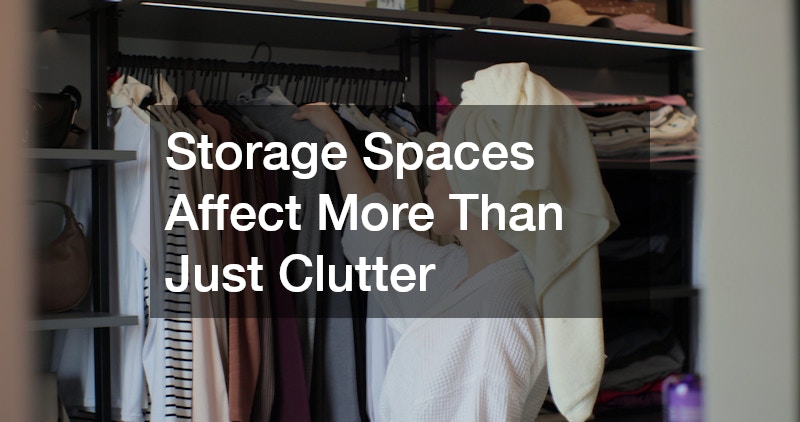 An overstuffed, disorganized closet might seem like a minor inconvenience, but it often puts unnecessary strain on doors, hinges, and shelving hardware. Sagging shelves or overloaded rods can eventually break, sometimes damaging clothing or flooring underneath when they give way. A well-planned closet organizer system distributes weight more evenly and makes it easier to spot when something needs repair.
Beyond structural concerns, a disorganized closet makes it harder to notice pest issues, moisture buildup, or mildew developing in a low-traffic area of the home. Taking time to reorganize once or twice a year gives you a chance to inspect the space itself, not just the items inside it.
- Distribute weight evenly across shelving and rods
- Check for sagging or cracking hardware periodically
- Keep closets ventilated to prevent moisture buildup
- Reassess organization systems as storage needs change
Knowing When Repair Is No Longer the Right Answer
Every home system eventually reaches a point where repeated repairs cost more than starting fresh, and recognizing that threshold saves money in the long run. This is especially true for major renovations, where outdated structures or damaged additions may need to come down before new work can begin safely. Bringing in licensed demolition contractors for these larger projects ensures the work is done safely and in compliance with local codes, rather than turning into a bigger hazard.
Deciding between repair and replacement often comes down to the age of the system, the frequency of past repairs, and whether parts are still available or affordable. A rough rule of thumb is that if repair costs exceed half the price of replacement, it is usually time to consider starting over.
- Track repair costs over time to spot a pattern
- Ask professionals about expected remaining lifespan
- Consider energy efficiency gains from newer systems
- Factor in safety risks of continuing to patch old systems
Home maintenance rarely feels urgent until the moment something breaks, but a little consistency across these systems can save thousands of dollars over the life of your home. Start by walking through your property this weekend and noting which systems have gone the longest without attention. Building a simple seasonal checklist, and calling in professionals when a job goes beyond routine upkeep, is the most reliable way to protect both your home and your budget.