
A hairline crack in your basement wall or a door that suddenly sticks might seem like minor annoyances, but they are often early warning signs of foundation movement. Waiting to address these signals rarely makes them go away; instead, small problems compound into structural repairs that cost tens of thousands of dollars. Understanding what causes foundation damage, how it spreads through your home, and when to call in help can save you money and stress down the road. This guide walks through the most common foundation-related issues homeowners face and explains why early action matters.
Early Warning Signs of Foundation Movement
Foundations rarely fail overnight. Instead, they show subtle signs over months or years that many homeowners dismiss as normal settling or cosmetic wear. Recognizing these early clues gives you the chance to fix a small problem before it becomes a five-figure repair project. Watch for hairline cracks in drywall, especially those forming diagonal patterns near door and window corners. Cracks wider than 1/4 inch, or ones that reappear after patching, often signal ongoing movement rather than harmless settling. Doors and windows that suddenly stick, won’t latch properly, or have visible gaps around their frames are another red flag. This happens because a shifting foundation subtly warps the framing around these openings, even when the change is too small to see with the naked eye. Outside, look for gaps between the foundation and exterior siding, stair-step cracks in brick or block, or a chimney that appears to be pulling away from the house. Sloping or uneven floors, especially a noticeable dip near load-bearing walls, can also indicate the foundation beneath is settling unevenly. Standing water near the foundation after rain, or soil that pulls away from the exterior walls during dry spells, deserves attention too, since moisture fluctuation is one of the most common drivers of foundation movement. Catching these signs early, sometimes within the first year they appear, can mean the difference between a simple crack sealant and thousands of dollars in structural underpinning.
- Cracks in drywall that reappear after patching, especially diagonal cracks near door and window corners
- Doors and windows that stick, no longer latch properly, or swing open on their own
- Gaps between walls and ceilings or floors, often widest at corners and wider than 1/4 inch
- Uneven or sloping floors, noticeable when a ball rolls to one side of a room on its own
- Exterior brick or siding cracks that widen over time, particularly stair-step cracks in mortar joints
- Gaps forming around exterior doors, garage doors, or chimneys where they meet the house
- Musty odors or new dampness in the basement or crawl space, signaling shifting or water intrusion
How Poor Drainage Accelerates Foundation Damage
Water is the single biggest enemy of a home’s foundation, and drainage problems are often the root cause of structural issues. When soil around your home repeatedly saturates and dries, it expands and contracts, putting uneven pressure on foundation walls and footings. This cycle is especially damaging in areas with clay-heavy soil, which can swell by as much as 10% in volume when wet, then shrink and pull away from the foundation as it dries. Gutters that dump water too close to the house, downspouts that empty at the foundation line, and improperly graded yards all contribute to this cycle. Experts generally recommend that the ground slope away from the house at a rate of at least 6 inches over the first 10 feet, and that downspouts discharge water a minimum of 5 to 10 feet from the foundation. When these basics aren’t in place, water pools against the foundation walls instead of draining away. Over time, this repeated saturation softens the soil beneath footings, leading to uneven settling, while hydrostatic pressure against basement walls can cause bowing, cracking, or active water infiltration. Homeowners often notice the warning signs long before they connect them to drainage: musty basement odors, efflorescence (white mineral deposits) on walls, or doors and windows that suddenly stick. Left unaddressed, what starts as a simple grading or gutter fix can escalate into foundation underpinning or wall replacement costing tens of thousands of dollars.
Water is one of the most common culprits behind foundation damage, and it does its worst work slowly and quietly. When soil around your home stays saturated, it expands; when it dries out, it contracts. This constant cycle of swelling and shrinking puts uneven pressure on your foundation walls and footings, eventually leading to cracks, bowing, or settling. If you notice pooling water near your home after rain, it is worth having the grading and drainage evaluated before the issue reaches the foundation itself. Warning signs include soil that stays soggy more than a day after rain, mulch beds that hold standing water, or downspouts that dump water within a few feet of your foundation instead of directing it away. Gutters that are clogged or improperly pitched can also funnel hundreds of gallons of water directly against your foundation walls during a single storm. In some cases, correcting a downspout extension or regrading a flower bed costs a few hundred dollars, while ignoring the same issue for years can lead to foundation underpinning that costs thousands. A properly graded yard should slope away from the house at least six inches over the first ten feet, and downspout extensions should carry water at least five to six feet from the foundation. French drains or a sump pump system may be worth the investment in yards with heavy clay soil or a naturally high water table, since these conditions trap moisture close to the home far longer than sandy or well-draining soil. Simple, proactive landscaping changes are almost always cheaper than structural correction. A weekend spent adjusting grading or extending downspouts can prevent the kind of chronic moisture exposure that eventually requires piers, wall anchors, or full underpinning to fix.
The Role of Concrete Quality in Foundation Longevity
Not all concrete work is created equal, and the quality of the original pour has a lasting effect on how well a foundation holds up over decades. Foundations poured with inconsistent mixes or incorrect water ratios are more prone to cracking, crumbling, and premature failure. This is one reason many contractors now rely on metered concrete delivery, which measures each ingredient precisely at the time of the pour to ensure consistent strength throughout the slab or footing.
When you are having foundation repairs done, or even a new slab poured for an addition, it is worth asking your contractor how they source and measure their concrete. A precisely mixed batch reduces the risk of shrinkage cracks and uneven curing, both of which can shorten the lifespan of the structure. Spending a little extra upfront on quality materials is far cheaper than repairing a failing slab a decade later.
Tree Roots and Soil Movement Near Your Home
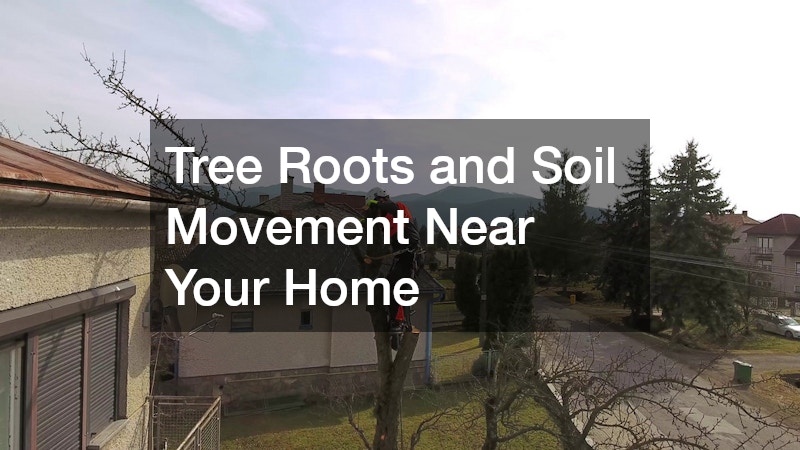
Large trees planted too close to a house can silently wreak havoc on the foundation over many years. Roots search for moisture, and in doing so they can extract water from the soil beneath a foundation, causing the ground to shrink and settle unevenly. In clay-heavy soils especially, this moisture imbalance is a leading cause of foundation cracking.
A qualified tree service can assess whether nearby trees pose a risk and recommend root barriers, selective pruning, or in some cases removal. Waiting until roots have already infiltrated a foundation or plumbing line makes the fix far more invasive and expensive. If you have mature trees within fifteen to twenty feet of your home, it is worth having them evaluated periodically.
Plumbing Leaks That Undermine Foundation Stability
Foundation problems are not always caused by what is happening above ground. Leaking pipes beneath a slab foundation can slowly erode supporting soil, creating voids that lead to sinking or cracking. These leaks are often hard to detect until water bills spike, damp spots appear on flooring, or a mechanical room boiler repair reveals corrosion linked to hidden moisture below.
A sewer line that has cracked or shifted due to ground movement can also allow water to pool underground, worsening the very problem that caused the crack in the first place. Prompt sewer repair when a leak is suspected can prevent thousands of dollars in foundation damage down the line. Homeowners who notice sewage odors, slow drains throughout the house, or unusually lush patches of grass in the yard should have their lines inspected right away.
Roof and Gutter Maintenance to Protect the Foundation
A home’s roof and its foundation may seem unrelated, but they are more connected than most people realize. When a roof is damaged or aging, water can bypass gutters entirely and run down the side of the house, saturating the soil at the foundation line. Over time, this repeated saturation contributes to the same expansion and contraction cycle that causes cracking and settling.
Scheduling regular roof inspections with experienced roofing contractors helps catch small issues, like missing shingles or damaged flashing, before they turn into water intrusion problems. Keeping gutters clear and properly angled ensures rainwater is directed well away from the foundation rather than pooling at its base. This kind of routine maintenance is inexpensive compared to the cost of correcting long-term water damage to a foundation.
Water Damage Repair After a Foundation Leak
When water does find its way into a basement or crawlspace through a foundation crack, the damage rarely stays contained to that one area. Moisture can spread into wall cavities, subfloors, and insulation, creating conditions for mold growth within 24 to 48 hours. This is why prompt water damage restoration is so important after any flooding or leak event tied to foundation issues.
Professionals in this field use specialized equipment to dry out affected areas thoroughly, not just on the surface but within wall cavities and under flooring where moisture likes to hide. Skipping this step or trying to dry things out with a household fan often leads to hidden mold and wood rot that surfaces months later. Addressing water intrusion quickly protects both your health and your home’s structural integrity.
Structural Repairs Beyond the Foundation Itself
Once a foundation shifts, the effects often ripple through the rest of the house in ways that are not always obvious at first. Door frames warp, garage doors fall out of alignment, and siding can pull away from the structure as the frame settles. These secondary repairs add up quickly and are frequently overlooked when homeowners budget for foundation work.
For example, a garage door installation service is often needed after significant foundation settling because the door no longer fits its frame correctly, creating safety hazards and energy loss. Likewise, siding contractors are frequently called in to repair gaps or buckling that occurs when a home’s frame shifts even slightly. Budgeting for these related repairs alongside the foundation work itself gives a more realistic picture of total project costs.
Planning Renovations Around Foundation Repair Timelines

Homeowners often want to move forward with kitchen or bathroom renovations at the same time they are dealing with foundation issues, but timing matters more than people expect. Structural work should always be completed and allowed to fully settle before finish work begins, since new cabinetry, tile, or flooring installed too soon can crack or shift along with the house. A kitchen remodeler who understands this sequencing will typically ask about any recent foundation work before finalizing a design or installation schedule.
If foundation repairs require homeowners to vacate part or all of the house temporarily, it is worth researching moving companies in advance so belongings can be safely stored or relocated during construction. Planning this logistics piece early reduces stress and prevents delays once the repair crew begins work. Coordinating timelines between structural repair, storage, and renovation teams ultimately saves both time and money.
Foundation problems rarely stay small, and the cost of repair almost always grows the longer an issue is ignored. By watching for early warning signs, maintaining proper drainage, and addressing related systems like plumbing, roofing, and trees, homeowners can avoid the most expensive structural repairs altogether. If you are already noticing cracks, uneven floors, or sticking doors, the smartest next step is scheduling a professional foundation inspection before the problem grows any further. Acting now, rather than later, is the single most effective way to protect both your home’s value and your wallet.