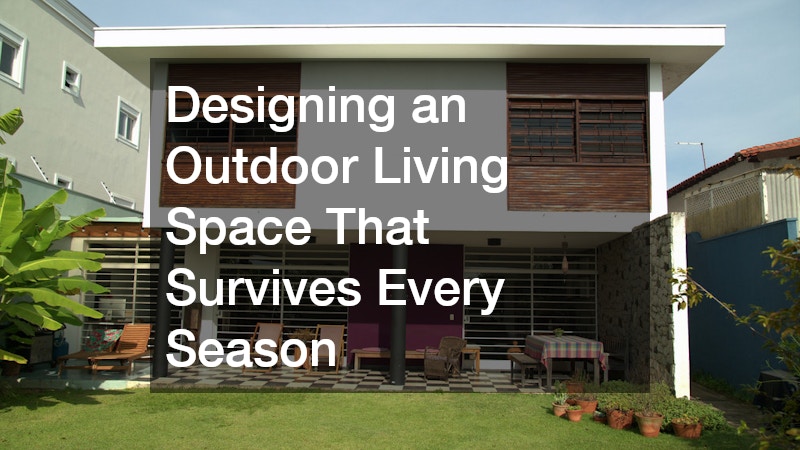

A backyard patio or outdoor kitchen looks great on a sunny spring afternoon, but the real test comes when summer heat, autumn storms, and winter freezes take their turn. Homeowners who plan for every season from the start avoid costly repairs, cracked surfaces, and features that sit unused half the year. Building an outdoor living space that actually holds up requires thinking beyond furniture and fire pits to the materials, drainage, and structural choices underneath.
This guide walks through the practical decisions that keep your space comfortable and functional no matter what the forecast brings.
Choosing a Durable Foundation for Patios and Walkways
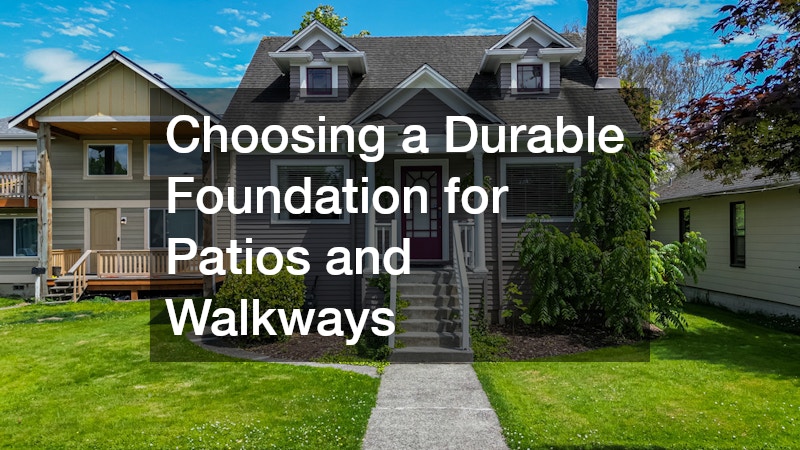
The surface underneath your outdoor furniture matters more than the furniture itself. A properly executed patio installation accounts for soil type, frost depth, and drainage slope before a single paver goes down, which prevents heaving and cracking when temperatures swing. Skipping this step is the most common reason patios fail within a few years, regardless of how attractive the materials look on day one.
Soil composition sets the tone for everything that follows. Clay-heavy soil expands and contracts significantly with moisture changes, so it typically needs a deeper excavation and a compacted gravel base—often 6 to 8 inches—to stay stable, while sandy soil drains well but may require additional edge restraints to keep pavers from shifting outward over time.
Frost depth is another detail that’s easy to overlook until it’s too late. In regions where the ground freezes, footings and base materials need to extend below the local frost line, which can range from a few inches in mild climates to over 40 inches in colder northern states, or else seasonal freeze-thaw cycles will slowly push the surface out of alignment.
Drainage slope rounds out the foundation equation. A general rule of thumb is a 1% to 2% grade sloping away from the house, enough to move water off the surface without making it feel uneven underfoot, since standing water is what accelerates erosion, staining, and base erosion beneath the pavers themselves.
Getting these three factors right before construction begins costs more time upfront, but it’s far cheaper than tearing out a settled or cracked patio a few winters later.
Concrete, natural stone, and paver systems each respond differently to freeze-thaw cycles, so the right choice depends on your climate as much as your budget. Poured concrete forms a single rigid slab, so when moisture seeps into hairline cracks and freezes, it expands and forces those cracks wider, often leading to unsightly heaving within just a few winters.
Pavers, by contrast, are individual units with small joints between them, which gives the whole surface flexibility to shift slightly as the ground moves. This is why homeowners in colder regions often find that properly spaced pavers with a compacted gravel base outperform poured concrete slabs.
The base matters as much as the surface material itself. A gravel base of at least 6 to 8 inches, compacted in layers and topped with a 1-inch bed of coarse sand, provides drainage that prevents water from pooling and freezing beneath the pavers.
Natural stone, such as flagstone or bluestone, offers excellent durability and visual appeal but tends to be pricier and more labor-intensive to install correctly. It performs best when set on a similarly well-drained base rather than directly on soil, since even the toughest stone can shift or crack if water collects underneath and freezes.
When budgeting, consider not just upfront material costs but long-term maintenance: concrete may need resealing and occasional crack repair, while pavers can be individually replaced if damaged, often making them the more cost-effective option over a decade or more.
- Ask about base depth requirements for your climate zone—typically 4-6 inches of compacted gravel in mild areas, but 8-12 inches where freeze-thaw cycles are common
- Confirm proper slope for water runoff away from the house, generally a 1-2% grade (about 1/4 inch per foot)
- Choose polymeric sand between pavers to reduce weed growth and shifting, and reapply every 2-3 years as it wears down
- Ask whether a compacted gravel base or a concrete sub-base better suits your soil type, since clay-heavy soil often needs extra drainage stone
- Request a written warranty covering settling or cracking, and check whether it includes labor for repairs, not just materials
- Get the installer’s plan for edge restraints, since unsecured paver edges are a leading cause of shifting over time
Protecting Wood and Composite Decking Through Temperature Swings
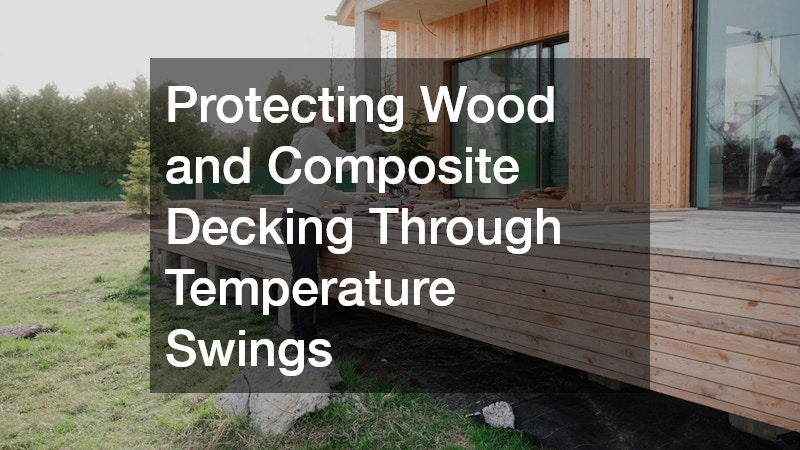
Decking takes a beating from UV rays, humidity, and freezing temperatures, so material selection and maintenance schedules matter just as much as installation quality. Pressure-treated wood requires annual sealing in most climates, while composite decking resists rot but can still warp if ventilation underneath is poor. Either way, a deck that’s built without airflow space beneath it traps moisture and speeds up deterioration.
Homeowners often bundle deck upgrades into a larger home remodeling project because the structural work overlaps with other exterior improvements. This is a smart time to reassess railings, stair stringers, and ledger board attachments, since these components bear the most stress during seasonal expansion and contraction.
Managing Water Runoff and Drainage Around Your Yard
Standing water is one of the fastest ways to ruin an outdoor living space, whether it pools on a patio or seeps toward your foundation. Grading your yard so water flows away from structures, combined with gutters and downspouts that direct runoff well clear of patios, prevents erosion and ice buildup in winter. French drains and dry wells are worth considering in yards with heavy clay soil or a naturally low-lying layout.
Indoor plumbing issues can actually stem from outdoor drainage problems, since saturated soil puts pressure on underground pipes and can contribute to slow drains inside the house. If you notice recurring backups, a drain cleaner treatment might offer short-term relief, but persistent issues usually point to a larger grading or root intrusion problem outside that needs professional attention.
Selecting Shade Structures and Overhead Cover
A pergola, awning, or covered porch extends the usable months of your outdoor space dramatically, giving you shelter from both intense summer sun and light autumn rain. The right choice depends on your climate, budget, and how much control you want over sunlight throughout the day.
Retractable awnings offer flexibility since they can be extended for shade or retracted to let winter sunlight warm the space. Most retract in seconds with a manual crank or motorized remote, and quality fabric versions are treated to resist mildew and UV fading for 8-10 years. Keep in mind that awnings generally aren’t built to withstand heavy snow loads or high winds, so they typically need to be retracted before serious storms.
Fixed structures like pergolas with louvered roofs provide more permanent weather protection and can often be adjusted for airflow. Aluminum louvered pergolas are especially popular because the slats can be angled to block rain entirely or opened fully to let breeze and light through, and many models include built-in gutters that channel water away from the seating area below. For a lower-cost option, a traditional wooden pergola with a fixed lattice roof offers partial shade but will need supplemental cover like a canopy or climbing vines if you want full sun protection.
Covered porches and solid-roof patio structures offer the most reliable year-round protection, since they’re typically tied into your home’s existing roofline and drainage system. They cost more upfront and may require permits depending on your municipality, but they hold up best against snow accumulation and heavy rain without any seasonal adjustment on your part.
- Choose UV-resistant, solution-dyed acrylic fabric (rated 300+ denier) for retractable awnings to prevent fading and resist mildew
- Consider a solid roof structure—metal, polycarbonate, or hardtop pergola—if your region gets frequent hailstorms or heavy snow loads
- Add ceiling fans (52-inch or larger, rated for damp/wet outdoor locations) under covered areas to improve summer comfort and deter insects
- Position structures to block prevailing wind direction in cooler months, using solid walls or louvered panels on the windward side
- Factor in local snow load and wind ratings when choosing structural materials, especially for pergolas and gazebos
- Combine fixed and retractable coverage—a solid roof over a lounge area plus a retractable awning over dining—for year-round flexibility
Keeping Outdoor Kitchens and Entertaining Areas Functional Year Round

Outdoor kitchens have become a centerpiece of many backyard renovations, but appliances and cabinetry need protection from moisture and temperature extremes to last. Stainless steel components resist rust better than painted metal, and covering grills and burners during winter months prevents corrosion from snow and ice exposure. Insulated covers for plumbing lines also prevent freeze damage in regions with hard winters.
Storage is often overlooked until the space is already built, so it helps to plan cabinetry with weatherproof materials from the start. Many homeowners find that leftover kitchen cabinets from an interior renovation aren’t suited for outdoor use, since humidity and temperature swings cause warping that indoor-rated materials can’t withstand. Marine-grade polymer or stainless steel cabinetry holds up far better against the elements.
Maintaining Comfortable Temperatures in Covered Outdoor Rooms
Fully enclosed sunrooms or three-season porches blur the line between indoor and outdoor living, and that means climate control becomes part of the conversation. Ductless mini-split systems are a popular option because they heat and cool a single room without extending your existing ductwork. For larger additions, coordinating with air conditioning services during the design phase ensures the unit is sized correctly for the space’s insulation and window exposure.
Ceiling insulation and energy-efficient windows reduce the workload on any heating or cooling system you install, which keeps utility costs manageable even as the room gets heavier use. It’s worth having a contractor calculate BTU requirements based on square footage and sun exposure before purchasing equipment, since an undersized unit will run constantly without ever reaching a comfortable temperature.
Caring for Trees and Landscaping That Frame Your Space
The trees and plantings around your outdoor living area do more than add beauty; they provide shade, windbreaks, and privacy that change how the space feels in every season. Overgrown branches near a patio or deck can drop debris, block sunlight unevenly, or even pose a safety risk during storms. Scheduling regular trims with tree service companies keeps branches away from roof lines and structures while promoting healthier growth patterns.
Root systems deserve attention too, since aggressive roots can crack pavers, lift foundations, and interfere with drainage pipes over time. Choosing slower-growing species near hardscaped areas, and having a professional assess root spread before planting new trees close to a patio, saves significant repair costs later.
Protecting the Roof and Structures That Shelter Your Outdoor Space
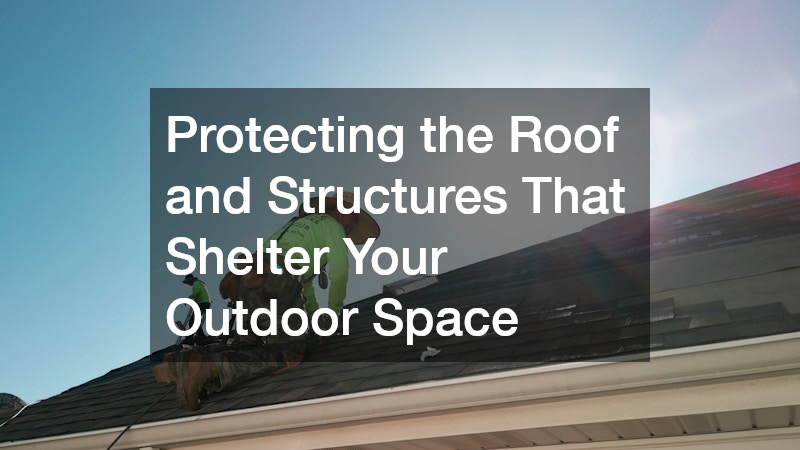
Covered patios, porches, and outdoor kitchens are often tied structurally to the main roofline, which means any roofing issue can quickly affect the space below. Ice dams, clogged gutters, and worn shingles near these attachment points are common culprits behind water intrusion that damages outdoor ceilings and support beams. Scheduling an annual inspection with a qualified roofer catches small problems, like lifted flashing or cracked sealant, before they turn into structural repairs.
Attachment points where a patio cover or pergola meets the house need extra scrutiny, since these are frequent sources of leaks. Asking your roofer to specifically examine these transitions during routine maintenance, rather than just the main roof surface, helps avoid surprises after heavy rain or snow.
Handling Vehicles and Garages Connected to Outdoor Living Areas
For many homes, the garage sits adjacent to the patio or backyard entertaining space, and a malfunctioning door affects both convenience and curb appeal. Cold weather is especially hard on garage door springs and openers, so scheduling garage door repair before winter sets in prevents being stuck with a door that won’t close during a storm. Regular lubrication of tracks and rollers also extends the life of the mechanism significantly.
Vehicles parked near outdoor living spaces face their own seasonal challenges, particularly in humid climates where dampness can settle into upholstery and carpeting. Auto mold removal becomes necessary more often than people expect when cars sit outside near sprinklers, pools, or damp landscaping, so keeping windows cracked on dry days and using moisture absorbers in the cabin helps prevent that musty buildup.
Planning Ahead When Relocating or Selling a Home With Outdoor Features
A well-designed outdoor living space adds real value when it’s time to sell, but it also requires some planning if you’re the one moving. Buyers increasingly ask about patio age, drainage history, and maintenance records, so keeping documentation of installations and repairs strengthens your negotiating position. If your move involves relocating across state lines, coordinating with long distance moving companies early gives you time to plan around large outdoor furniture, grills, and planters that don’t travel easily.
Downsizing often means leaving behind features that took years to build, which is why some homeowners choose to photograph and document their outdoor space extensively before listing. This record can also help you recreate a similar layout in a new home, giving you a head start on the next round of seasonal planning.
Conclusion
Building an outdoor living space that survives every season comes down to respecting how materials, drainage, structures, and climate all interact over time. Start with the foundation and drainage decisions first, since those choices are the hardest and most expensive to correct later. From there, layer in shade, climate control, and regular maintenance so the space keeps working for you rather than against you. With the right planning now, you’ll spend far more time enjoying your backyard than repairing it.