

Every month, small inefficiencies inside your home quietly add dollars to your utility bills and repair budgets without ever announcing themselves. Unlike a burst pipe or a collapsed ceiling, these problems tend to whisper instead of shout, showing up only as a slightly higher bill or a faint noise you have learned to ignore. The good news is that most of these silent drains are predictable and preventable once you know where to look. This guide walks through six household systems that commonly fail in slow motion, along with the warning signs that mean it is time to act before small issues become expensive emergencies.
Aging Electrical Panels and Wiring
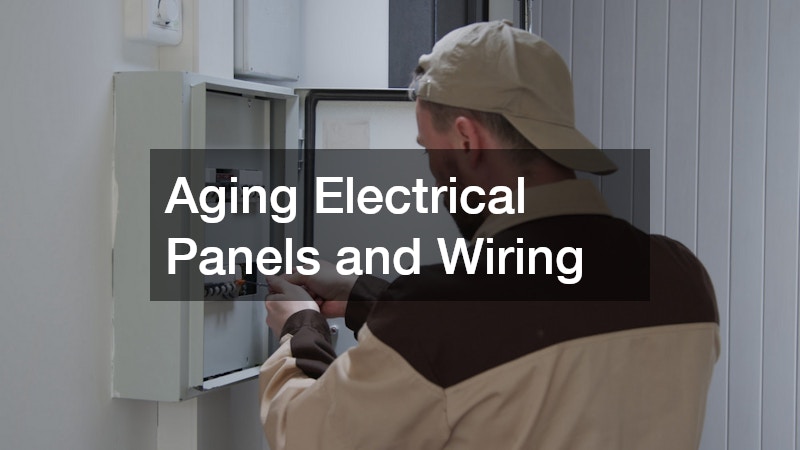
Older homes often carry electrical panels rated for 60 or 100 amps, sized decades ago for a much smaller number of appliances than the average household now runs. Today’s homes typically need at least 150 to 200 amps to comfortably handle central air conditioning, electric ranges, home offices packed with electronics, and EV chargers. As you add these modern loads onto an undersized panel, it works harder than it should, generating excess heat and wasting energy in the process. That inefficiency doesn’t just show up on your utility bill. Breakers that trip repeatedly are often cycling on and off to compensate for overloaded circuits, drawing more power during those repeated restarts than a properly sized system would use. Warm outlets or switch plates mean electricity is meeting resistance somewhere in the line, and that resistance is quite literally energy being converted to wasted heat instead of powering your devices. Flickering lights, warm outlets, discolored switch plates, or breakers that trip for no clear reason are all signs the system is straining under modern demand. A persistent burning smell or a faint buzzing near the panel are more urgent warnings that shouldn’t wait for a scheduled inspection. Aging wiring compounds the problem. Homes built before the 1970s may still have aluminum wiring or knob-and-tube systems that weren’t designed for today’s power draw, and these outdated conductors lose efficiency and pose fire risks as insulation degrades over time. A licensed electrician can assess whether your panel and wiring match your household’s actual load, often for a few hundred dollars, potentially saving you far more in wasted energy and averted repairs down the road.
These symptoms rarely resolve on their own and tend to worsen gradually, which is exactly why they go unnoticed for so long. A panel rated for 100 amps that once comfortably served a home may now strain under the load of central air, electric vehicle chargers, and a kitchen full of modern appliances. Warning signs like flickering lights, warm outlet covers, a persistent burning smell, or a panel that dates back to the 1970s or earlier all point to a system quietly working past its limits. Licensed electricians can evaluate whether your panel needs a full upgrade, typically to 150 or 200 amps, or whether the issue is isolated to a specific circuit that simply needs new wiring or a dedicated breaker. This diagnosis matters because replacing an entire panel unnecessarily can cost several thousand dollars, while ignoring a genuine capacity problem risks tripped breakers, damaged electronics, and even arc faults inside the walls. Catching this early not only reduces fire risk but also stops the slow bleed of wasted electricity that shows up on your monthly statement. Old wiring with degraded insulation increases resistance, meaning your system loses energy as heat instead of delivering it to your appliances. Over months and years, that inefficiency adds up quietly, making an inspection one of the more cost-effective steps a homeowner can take.
- Breakers that trip repeatedly under normal use, especially with everyday loads like a hair dryer or microwave
- Outlets or switch plates that feel warm to the touch, or show scorch marks and a faint burning smell
- A panel that still uses fuses instead of breakers, common in homes built before the 1960s
- Lights that dim or flicker when large appliances like an AC unit or refrigerator cycle on
- A panel rated below 100 amps, which struggles to support modern electronics and appliances
- Federal Pacific or Zinsco panels, brands linked to known failure and fire risks
- Frequent need for extension cords or power strips, signaling too few outlets for current demand
Furnace Systems That Run Longer Than They Should
A furnace does not need to fully break down to become a money drain. Dirty filters, worn blower motors, and failing thermostats can all force a furnace to run in longer cycles just to reach the same temperature. Homeowners often chalk this up to a cold winter rather than recognizing it as a mechanical problem.
Scheduling furnace repair at the first sign of uneven heating or unusual noises typically costs far less than waiting for a full system failure in the middle of a cold snap. A technician can also check for cracked heat exchangers or ductwork leaks that silently reduce efficiency. Regular maintenance visits, even when nothing seems wrong, tend to pay for themselves through lower energy bills.
Outdoor Living Surfaces That Shift and Settle

Patios, walkways, and retaining walls take a beating from freeze-thaw cycles, tree roots, and shifting soil, yet homeowners rarely inspect them the way they would a roof or a furnace. Small cracks or uneven pavers might look cosmetic, but they often signal erosion happening underneath the surface. Left unaddressed, this movement can undermine foundations, drainage systems, and even nearby structures.
Professional hardscaping work done correctly the first time accounts for proper drainage slope and base preparation, which prevents the shifting that leads to costly repairs later. If you notice pooling water near a patio or walkway after rain, that is often the earliest sign of a grading problem rather than a surface flaw. Addressing it early protects both the appearance and the structural integrity of your outdoor space.
- Cracks that widen noticeably after winter
- Pavers or stones that rock or sink underfoot
- Water pooling near the base of a wall or patio
- Gaps forming between a patio and the house foundation
Hidden Leaks Inside Walls and Under Slabs
Not every plumbing problem announces itself with a puddle on the floor. Slow leaks inside walls or beneath a concrete slab can run for months, quietly inflating your water bill while causing mold growth and wood rot you cannot see. By the time a stain appears on a ceiling or wall, the damage underneath is often more extensive than it looks.
A sudden jump in your water bill with no obvious explanation is one of the clearest signs you need plumbing repair sooner rather than later. Professionals can use listening equipment and moisture meters to pinpoint a leak without tearing apart your entire home. Addressing it quickly protects your home’s structure and keeps a manageable repair from turning into a full remediation project.
- Water bills that rise without a change in usage
- A faint sound of running water when everything is off
- Warm spots on flooring, which can indicate a hot water line leak
- Musty odors in rooms with no visible source
Backyard Pools With Aging Equipment

A backyard pool is a significant investment, and its pump, filter, and heater systems are working almost every day of the swim season whether you notice them or not. Aging equipment tends to lose efficiency slowly, drawing more electricity to circulate and heat the same volume of water. Many homeowners do not realize how much of their summer utility bill is tied directly to an inefficient pump running longer cycles than necessary.
If you are noticing cloudy water, rising energy costs, or a pump that seems louder than it used to be, it may be time to consult pool builders about upgrading to more efficient equipment rather than continually patching an old system. Modern variable-speed pumps use a fraction of the energy older single-speed models require. This is one of the rare home upgrades where the efficiency gain is often noticeable within a single billing cycle.
Roofs Losing Their Protective Layer
A roof rarely fails all at once; it degrades granule by granule and shingle by shingle over many years. Once the protective granule layer wears away, shingles absorb more heat and moisture, which drives up cooling costs and accelerates further deterioration. Many homeowners do not think about their roof until they see a leak, but the energy loss and slow water intrusion often start years earlier.
An annual visual inspection, either from the ground with binoculars or by a professional, can catch curling shingles, bald spots, and damaged flashing before they become a bigger problem. In many cases, targeted repairs can extend a roof’s life, but once damage becomes widespread, a full roof replacement is more cost effective than continuing to patch it piecemeal. Waiting too long often means paying for both the new roof and the interior water damage it could have prevented.
- Granules collecting in gutters or at downspouts
- Shingles that curl, crack, or appear discolored
- Daylight visible through the attic roof boards
- Rising cooling bills during summer months
Trees and Root Systems Threatening Structures

The trees that shade your yard and add curb appeal can quietly become a financial liability as they mature. Root systems expand far beyond the canopy and can crack driveways, invade sewer lines, or destabilize soil near a foundation. Overhanging branches also pose a risk to roofing and siding during storms, often causing damage long before a tree actually falls.
Consulting arborists or tree removal professionals for an annual health assessment can identify weak limbs, disease, or root intrusion before it causes property damage. Removing a compromised tree proactively is almost always less expensive than the emergency cleanup and structural repair that follow a storm-related failure. This is especially true for trees planted close to the home when it was originally landscaped, since their root spread was likely underestimated decades ago.
- Visible cracking in nearby pavement or foundations
- Fungus growth at the base of the trunk
- Branches that hang low over the roofline
- Soil heaving noticeably around the root flare
Foundations Settling Slowly Beneath the Home
Foundation problems are among the most expensive silent drains because they develop gradually and are easy to dismiss as normal home aging. Small cracks in drywall, doors that stick, or slightly uneven floors are often the first visible clues that soil beneath the home is shifting. By the time the signs are obvious to the untrained eye, the underlying movement has usually been happening for years.
An experienced foundation repair company can measure elevation changes and identify whether the cause is soil moisture, poor drainage, or original construction issues. Correcting drainage around the home is frequently part of the solution, since water is the most common driver of soil expansion and contraction. Addressing settlement early is significantly less invasive and less costly than waiting until structural repairs become necessary throughout the home.
- Cracks that form diagonally across drywall or above doorways
- Doors and windows that stick or no longer latch properly
- Visible gaps between the wall and ceiling
- Sloping or bouncy floors in certain rooms
Cabinetry and Storage Systems Wearing Out Quietly
Kitchen and bathroom cabinets absorb daily wear that most homeowners barely register until hinges sag or doors no longer close flush. Moisture from nearby sinks and dishwashers can warp wood or swell particleboard from the inside, which is often invisible until the damage is advanced. Because cabinets are functional furniture rather than a mechanical system, their slow deterioration rarely gets budgeted for the way a furnace or roof would.
A reputable cabinet company can often repair or reface existing cabinetry rather than requiring a full replacement, which keeps costs down if the damage is caught early. Watching for soft spots near the sink base or drawers that no longer glide smoothly can help you catch water damage before it spreads to surrounding countertops and flooring. Addressing minor cabinet issues promptly protects both the function and resale value of your kitchen.
Garage Door Components Under Constant Tension
The garage door is one of the most frequently used moving systems in the home, yet its components are largely ignored until something stops working entirely. The torsion springs that lift the door carry enormous tension and wear down gradually with every open and close cycle. A door that feels heavier than usual, closes unevenly, or makes a loud bang during operation is often signaling that a spring is close to failing.
Attempting garage door spring repair without proper training is genuinely dangerous, since the stored tension in these springs can cause serious injury if released suddenly. A professional can also inspect the cables, rollers, and opener sensors at the same time, since these parts tend to wear out together. Keeping this system properly balanced not only prevents a sudden failure but also reduces strain on the opener motor, extending its working life.
- A door that feels unusually heavy when lifted manually
- Loud popping or banging sounds during operation
- Visible gaps or rust on the torsion spring coils
- The door closing unevenly or at an angle
None of these six systems tend to fail overnight, which is precisely what makes them so easy to overlook and so expensive to ignore. A little seasonal attention, paired with a quick call to the right professional when something seems off, can catch most of these problems while they are still minor and affordable to fix. Walk through your home this weekend with this list in hand and note anything that matches the warning signs described above. Taking action now, rather than waiting for a full breakdown, is the simplest way to protect both your home’s value and your monthly budget.