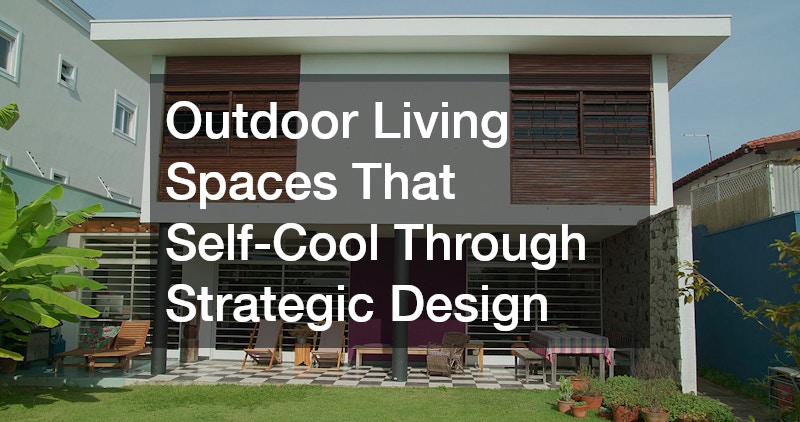

When summer temperatures climb, a beautifully designed patio or backyard lounge can become unusable if heat and humidity aren’t accounted for from the start. The good news is that smart homeowners can design outdoor living spaces that stay noticeably cooler without relying on energy-hungry fans or misting systems. By combining shade strategy, airflow planning, water features, and the right materials, you can create a backyard retreat that feels comfortable even on the hottest days. This guide walks through the practical design choices that make self-cooling outdoor spaces possible, along with the maintenance considerations that keep them working season after season.
Choosing Roofing Materials That Reflect Heat Instead of Absorbing It
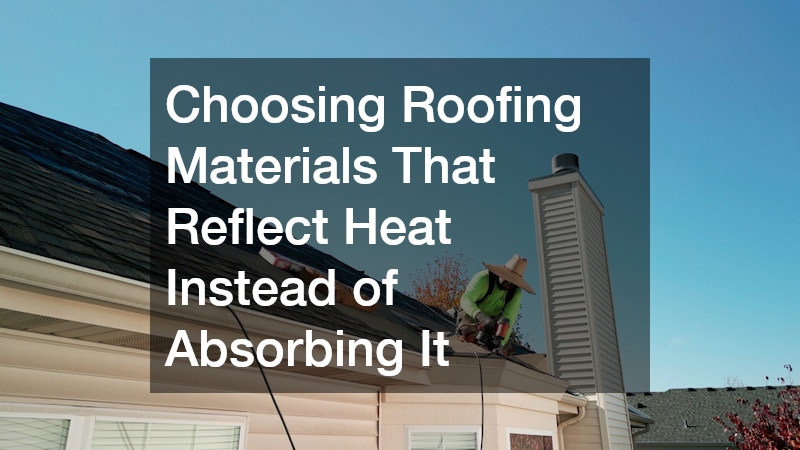
The material covering your patio, pergola, or outdoor kitchen has an enormous impact on how hot that space feels by midafternoon. Dark asphalt shingles and standard metal panels can radiate heat downward for hours after the sun sets, while reflective or vented roofing options keep surface temperatures dramatically lower. Many homeowners consult roofing contractors when planning a covered outdoor structure specifically because the right underlayment and surface coating can lower attic and ceiling temperatures by twenty degrees or more.
Beyond the material itself, the pitch and ventilation of the roof structure matter just as much. A steeper pitch encourages hot air to rise and escape rather than pooling under the covering, and ridge vents or gaps between panels allow continuous airflow.
- Light-colored or coated metal roofing reflects a significant portion of solar radiation
- Cool-roof shingles use reflective granules to reduce heat absorption
- Louvered or adjustable roof panels let homeowners control shade and airflow throughout the day
- Proper insulation beneath the roofing prevents heat transfer into covered seating areas
Positioning Shade Trees for Maximum Afternoon Relief
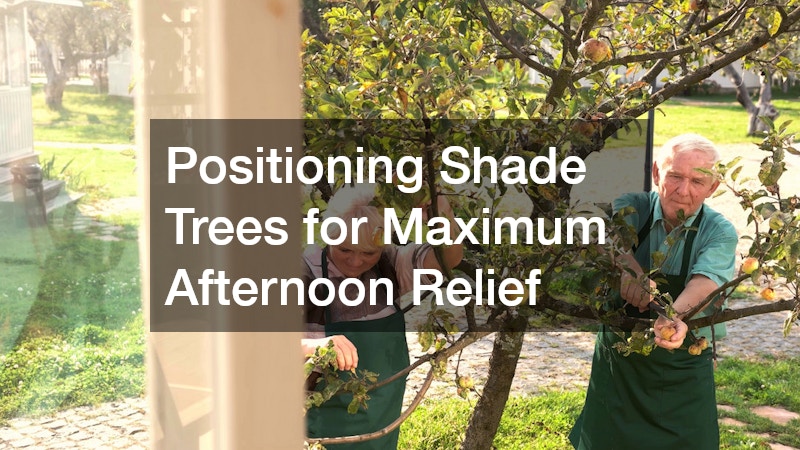
Strategic tree placement is one of the most effective and least expensive ways to cool an outdoor living space naturally. Deciduous trees planted on the western and southern sides of a patio block the harshest afternoon sun in summer while allowing light through once leaves drop in winter. A consulting arborist can help homeowners select species that grow to the right height and canopy width without damaging nearby structures, patios, or underground utilities.
Tree placement isn’t just about planting new specimens; it also involves maintaining existing trees so their canopy provides consistent, healthy shade. Overgrown or diseased branches can create safety hazards during storms, and a professional assessment ensures the tree continues contributing to the cooling design for decades rather than becoming a liability.
- Plant shade trees 15 to 20 feet from patios to avoid root interference
- Choose broad canopy species like oaks or maples for maximum coverage
- Schedule periodic pruning to maintain airflow beneath the canopy
- Avoid fast-growing invasive species that require constant management
Designing Water Features That Lower Ambient Temperature

Water features do more than add visual interest; they physically cool the surrounding air through evaporation. A small fountain, recirculating stream, or reflecting pool near a seating area can lower ambient temperature by several degrees, especially when paired with cross breezes that carry the cooled air across the patio. Placement is key, since water features positioned upwind of primary gathering spots deliver the most noticeable relief.
Pools themselves also contribute to a naturally cooler backyard microclimate, but only when properly maintained. Cloudy or algae-affected water absorbs more heat and reflects less, which reduces the cooling benefit, so many homeowners rely on pool cleaning companies to keep water clear and circulating efficiently throughout the season.
- Position fountains or ponds on the side of prevailing summer winds
- Keep water features running during peak afternoon heat for continuous evaporation
- Maintain proper pool chemistry to maximize reflectivity and cooling benefit
- Consider a small recirculating stream as a lower-maintenance alternative to a full pond
Selecting Ground Materials That Stay Cool Underfoot
Hardscape choices influence outdoor comfort just as much as shade and airflow. Dark concrete and traditional asphalt pavers can reach surface temperatures well above the surrounding air, sometimes climbing to 140°F or more on a sunny summer afternoon, making bare feet and pets uncomfortable and radiating stored heat well into the evening. Color and material density both play a role in how much heat a surface absorbs and holds. Light-colored pavers, natural stone like travertine or light limestone, and permeable materials stay significantly cooler because they reflect more sunlight and allow heat to dissipate rather than accumulate. In side-by-side comparisons, light gray or beige pavers can measure 20 to 30 degrees cooler than standard dark concrete under identical sun exposure. Permeable pavers and gravel systems offer an added advantage beyond color: they let air and moisture move through the surface instead of trapping heat in a solid slab. Decomposed granite, permeable clay pavers, and open-joint stone patios all allow some evaporative cooling to occur, which further tempers surface temperature. This same porosity also helps with drainage, reducing puddling after rain. When selecting materials, consider texture and finish as well as color. Honed or matte finishes tend to stay cooler than polished, glossy surfaces, which can intensify glare and heat absorption. Combining a light-toned, textured stone with strategically placed shade can make a real difference in how usable a patio or walkway feels during peak afternoon hours.
- Light gray or beige pavers can run 10-20°F cooler to the touch than dark concrete or charcoal pavers on sunny afternoons
- Permeable pavers allow moisture to evaporate up through the joints, adding a mild cooling effect similar to natural soil
- Composite decking with reflective or “cool-touch” coatings resists heat buildup better than standard wood or dark composite boards
- Gravel or decomposed granite paths stay cooler than solid poured surfaces since loose material doesn’t retain radiant heat as long
- Natural stone like travertine or light-toned flagstone stays notably cooler than granite or dark slate, even in direct sun
- Grouted joints filled with fine gravel instead of solid mortar help surfaces shed heat faster after sunset
- Adding partial shade or groundcover between pavers can lower surface temperatures further by limiting direct sun exposure
Planning Airflow Corridors Through Fencing and Landscaping
Even the best shade and water features fall short if hot, stagnant air has nowhere to go. Thoughtful fence design, plant spacing, and structural placement can create natural airflow corridors that funnel breezes directly through a seating area. The goal is to work with your yard’s prevailing wind direction rather than against it, so it’s worth spending a few evenings observing where breezes naturally enter your property before finalizing any layout. Solid privacy fences block wind entirely, often creating a dead-air pocket on the leeward side that traps heat instead of dispersing it. Louvered or slatted fencing solves this by allowing air to pass through gaps while still providing screening and partial shade. Fencing with roughly 30-50% gap ratio—achieved through horizontal slats, lattice panels, or angled louvers—tends to slow wind just enough to keep it comfortable without stopping it altogether. Plant spacing plays an equally important role. Densely packed hedges or shrub rows can act like solid walls, so leaving 12-18 inches between larger shrubs, or choosing airy species like ornamental grasses and ocotillo, helps maintain flow while still offering privacy and wind filtering. Positioning taller structures—pergolas, storage sheds, or dense tree canopies—perpendicular to the prevailing breeze can also funnel and accelerate airflow into a seating area, similar to how a narrow canyon speeds up wind. Placing these elements at the corridor’s entrance, rather than directly beside the patio, helps direct that cooling effect exactly where you want to sit.
Before placing a single shrub, spend a few evenings observing how air actually moves across your yard—most residential lots have a dominant summer breeze direction, often shifting slightly from the prevailing regional pattern due to neighboring structures, fences, and mature trees. A simple way to track this is tying ribbons to stakes at different points in the yard and noting movement over several warm afternoons. Landscaping layout should work with, not against, these observed wind patterns. Tall hedges or dense shrub rows placed perpendicular to summer breezes can inadvertently trap heat, creating stagnant pockets that feel warmer than open lawn even in shade. Solid barriers over 4 feet tall are the worst offenders, essentially acting as heat-retaining walls. Strategically spaced plantings, by contrast, channel air toward patios and outdoor kitchens rather than blocking it. Staggering shrubs in loose clusters, with 3 to 5 feet of gap between groupings, creates a funneling effect that speeds up airflow as it passes through—similar to how a nozzle accelerates water. Ornamental grasses and airy species like ninebark or ferny bamboo work especially well here, since their permeability lets breeze filter through rather than deflect. Fencing deserves the same scrutiny as plantings. Lattice-top or louvered fence panels set at a 45-degree angle can redirect prevailing wind toward seating areas while still offering privacy, whereas solid privacy fencing on the windward side often does more harm than good.
- Install slatted or louvered fencing instead of solid panels where privacy allows — aim for boards spaced ½ to 1 inch apart to cut wind speed by roughly 50% rather than blocking it entirely
- Leave 2-3 foot gaps between large shrubs to avoid blocking natural airflow, especially along your yard’s prevailing breeze path
- Position pergolas and structures to funnel breeze toward seating areas by orienting open sides toward the direction air naturally flows
- Angle fence sections and hedgerows at 45 degrees to redirect wind rather than stop it, similar to how architects design windbreaks for farmland
- Track your yard’s wind direction across seasons before finalizing hardscape plans, since summer breezes often shift compared to fall or spring patterns
- Use a simple ribbon or flag test on breezy days over several weeks to map airflow before committing to permanent fencing or planting layouts
Maintaining Drainage Systems to Prevent Heat and Humidity Buildup

Poor drainage doesn’t just create puddles and mosquito breeding grounds; it also raises humidity levels around an outdoor living space, making the air feel hotter and stickier than it actually is. Gutters that overflow or channel water incorrectly can saturate nearby soil and patio bases, creating persistent damp conditions that trap heat and encourage mold growth. Scheduling routine gutter repairs before summer ensures rainwater is directed away from patios and seating areas rather than pooling nearby.
Below-ground drainage matters too, particularly for properties with septic systems near the outdoor living area. A failing system can introduce unwanted odor and moisture into an otherwise well-designed backyard retreat, so addressing septic tank repairs promptly protects both comfort and property value.
- Inspect gutters each spring for clogs, sagging, or misaligned downspouts
- Grade soil away from patios to prevent water pooling near seating areas
- Address septic system issues immediately if you notice odor or soggy ground
- Route downspout extensions away from shaded seating to reduce humidity buildup
Extending Comfort with Fire Features Without Adding Excess Heat
Fire features seem counterintuitive in a cooling design, but placement and ventilation planning allow homeowners to enjoy evening ambiance without overheating the space. Positioning fire pits or fireplaces downwind of seating, using recessed designs, and choosing appropriately sized features prevents excess radiant heat from lingering in the air. Because open flame elements carry inherent risk, especially near dry landscaping or wood structures, incorporating fire protection measures into the design is essential rather than optional.
- Keep fire features at least ten feet from seating to limit radiant heat exposure
- Choose propane or recessed designs for more controllable, lower-intensity heat
- Install noncombustible surrounds and clear defensible space around the feature
- Have fire extinguishing tools accessible for quick response
Protecting Outdoor Kitchens from Pests and Heat-Trapping Grease Buildup
Outdoor kitchens bring incredible functionality to a self-cooling backyard, but they introduce maintenance needs that directly affect comfort and air quality. Grease and food residue accumulating around grills and vent hoods can trap heat and produce lingering odors that make the space feel stuffier than it is, which is why hood cleaning has become a common addition to outdoor kitchen upkeep routines. A clean ventilation system keeps hot air and cooking byproducts moving away from seating rather than settling over the patio.
Outdoor kitchens and dining areas can also attract pests drawn to food debris and warm, sheltered spaces, and few problems disrupt outdoor comfort faster than a bed bug pest control issue spreading from outdoor furniture cushions into the home. Regular cleaning of cushions, storage bins, and furniture crevices reduces the risk significantly.
- Clean grill hoods and vents on a regular seasonal schedule
- Store outdoor cushions in ventilated, dry containers when not in use
- Inspect furniture seams and crevices periodically for pest activity
- Keep food prep areas sealed and cleaned promptly after use
Coordinating Indoor and Outdoor Design for a Seamless Cool Transition
A self-cooling outdoor space works best when it complements the indoor areas it connects to, particularly sliding doors, covered patios, or three-season rooms. Choosing lighter interior wall colors near these transition zones helps reflect light rather than absorb it, and many homeowners coordinate this update with interior painting companies when refreshing adjacent rooms. Matching indoor and outdoor color palettes also creates a visually cohesive flow that makes the whole living space feel larger and more open.
If your cooling redesign includes updates to an adjacent kitchen or wet bar that opens onto the patio, it’s worth planning that work alongside your outdoor changes. Bringing in kitchen remodeling contractors during the same planning phase can help align sightlines, ventilation, and material choices so indoor and outdoor spaces genuinely function as one cohesive area.
- Use light, reflective paint tones near sliding doors and covered transitions
- Align indoor and outdoor flooring materials for visual and thermal consistency
- Plan ventilation and lighting updates together when renovating connected spaces
- Consider sightlines so the indoor kitchen and outdoor patio feel unified
Designing an outdoor living space that stays genuinely cool requires looking beyond furniture and decor to the structural choices that shape airflow, shade, and moisture around your property. From the roofing overhead to the drainage below your patio, every element plays a role in how comfortable that space feels in the peak of summer. Start by identifying which factor is currently working against you most, whether that’s excess sun exposure, poor airflow, or humidity buildup, and address it first. With thoughtful planning and consistent maintenance, your backyard can become the cool retreat you’ve been picturing all along.