
Every month, your utility bill tells a story about how efficiently your home is running, and for most homeowners, that story could use a rewrite. Rising energy and water costs have pushed many families to look beyond thermostat adjustments toward real structural upgrades that deliver lasting savings. The good news is that sustainable home systems, from roofing to electrical to outdoor fixtures, can dramatically cut monthly expenses when chosen and maintained correctly. This guide walks through the practical upgrades and maintenance habits that make the biggest difference, so you can make informed decisions about where to invest first.
Upgrading Your Roof for Better Energy Performance
Your roof does more than keep rain out; it plays a major role in regulating indoor temperature and, by extension, your heating and cooling costs. A poorly insulated or aging roof allows conditioned air to escape, forcing your HVAC system to work overtime. If your property has a low-slope design, a flat roof upgrade with reflective coatings or added insulation layers can significantly reduce heat absorption during summer months.
Homeowners considering a roof replacement should also think about compatibility with future upgrades like solar panels or rainwater collection systems. Choosing energy-efficient materials now can prevent costly modifications later.
- Reflective or cool-roof coatings reduce attic temperatures by up to 30 percent
- Proper insulation beneath roofing materials cuts winter heat loss
- Regular inspections catch small leaks before they become expensive repairs
- Ventilation improvements extend roof lifespan and improve efficiency
Keeping Your Water Heating System Running Efficiently
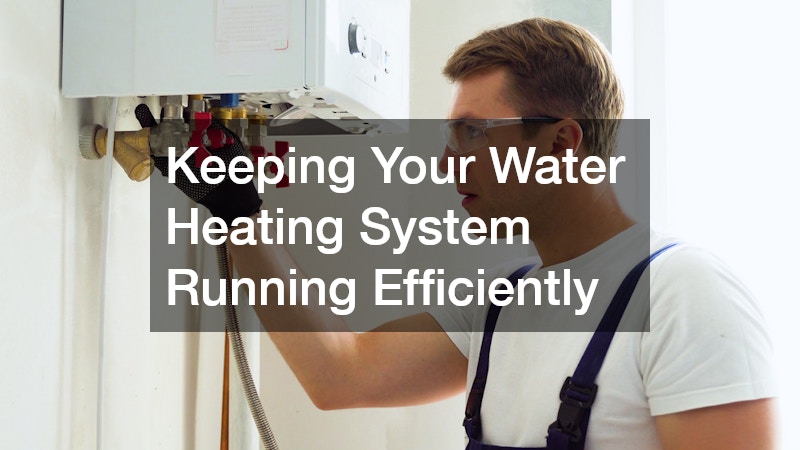
Water heating typically accounts for a significant chunk of monthly utility costs, and small inefficiencies add up quickly. Sediment buildup, worn heating elements, and failing thermostats all force water heaters to consume more energy than necessary. Scheduling timely water heater repairs when you notice inconsistent temperatures or unusual noises can prevent a minor issue from turning into a full system failure.
Many homeowners overlook the age of their unit entirely, running systems well past their efficient lifespan. A tank-style heater typically lasts eight to twelve years, and efficiency drops noticeably in the final stretch. Upgrading to a tankless or heat-pump water heater during a repair visit often pays for itself through lower monthly bills.
Hiring Qualified Professionals for Electrical Upgrades
Outdated wiring and inefficient electrical panels quietly drain money every month, especially in homes built before modern energy codes existed. Bringing in licensed residential electricians to assess your panel capacity and wiring condition is one of the smartest first steps toward a more sustainable home. They can identify circuits that waste energy and recommend upgrades that support newer, more efficient appliances.
Electrical upgrades also matter if you’re planning to add high-demand systems like electric vehicle chargers or expanded HVAC equipment. A professional assessment ensures your home’s infrastructure can handle increased load without inflating your bills through inefficient distribution.
- Older aluminum wiring is less efficient and poses safety risks
- Smart panels allow better monitoring of energy usage by circuit
- Upgraded outlets support energy-efficient appliances and chargers
- Proper grounding reduces electrical waste and equipment strain
Choosing Flooring Materials That Support Temperature Control

Flooring choices influence indoor comfort more than most homeowners realize. Materials with high thermal mass can help regulate indoor temperatures naturally, reducing reliance on heating and cooling systems. Tile flooring, for instance, stays cool in summer and can be paired with radiant heating systems in winter for efficient, zoned warmth.
Beyond temperature regulation, durable flooring reduces long-term replacement costs, which indirectly supports a household’s sustainability goals. Choosing materials that last decades rather than years means fewer resources consumed over time and less disruption to your home’s energy systems during renovations.
Planning a Whole-Home Renovation with Sustainability in Mind
When multiple systems need updating at once, working with experienced remodeling contractors ensures upgrades work together rather than competing for resources. A coordinated renovation can align insulation improvements, window replacements, and mechanical upgrades into a single efficient project rather than piecemeal fixes. This approach often reduces total costs and prevents the common mistake of upgrading one system while neglecting another that undermines its performance.
A knowledgeable contractor can also help prioritize which upgrades deliver the fastest return on investment based on your climate, home age, and current utility usage. This guidance is especially valuable for homeowners unsure where to begin among competing priorities.
- Bundle insulation and window upgrades for compounded savings
- Sequence projects to avoid redoing recently finished work
- Ask about energy audits before major renovation decisions
- Request efficiency ratings for all proposed materials and systems
Maintaining Roof Drainage Systems to Protect Your Investment
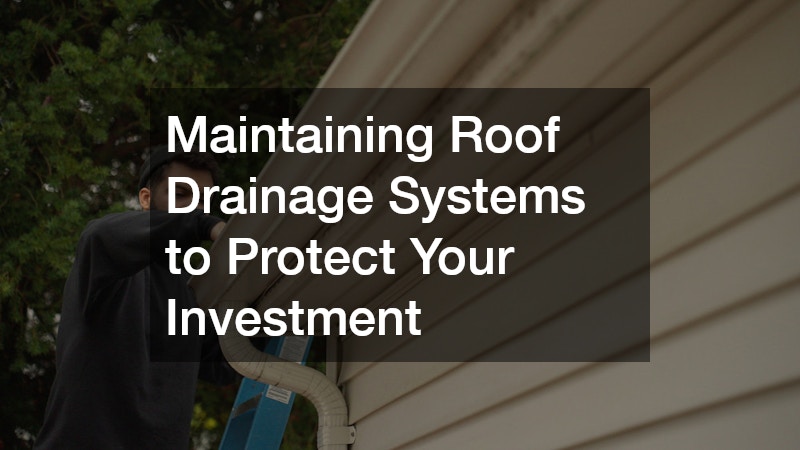
Water damage is one of the most expensive threats to a home’s structural integrity and efficiency, and it often starts with neglected drainage. Clogged or damaged gutters allow water to pool near the foundation, leading to moisture problems that can compromise insulation and increase indoor humidity. Keeping gutters clear and properly sloped protects your home’s efficiency investments from being undermined by preventable water intrusion.
Seasonal cleaning and inspection should be part of every homeowner’s routine maintenance checklist. Damaged sections should be repaired promptly, since even small gaps can redirect water toward areas that affect insulation performance and energy costs.
- Clean gutters at least twice a year, more often near trees
- Check for sagging sections that indicate hidden damage
- Ensure downspouts direct water at least five feet from the foundation
- Install guards to reduce debris buildup and maintenance frequency
Servicing HVAC and Plumbing Systems for Long-Term Efficiency
The mechanical systems inside your walls and crawl spaces often go unnoticed until something breaks, but routine attention keeps them running efficiently for years. An annual HVAC tune-up—checking refrigerant levels, inspecting the blower motor, and replacing air filters every 60 to 90 days—can preserve 5 to 15% of system efficiency that would otherwise erode through normal wear. Plumbing deserves the same attention: checking water heater anode rods, flushing sediment buildup, and inspecting supply lines for slow leaks can prevent the kind of hidden water waste that quietly inflates monthly bills. Proper mechanical installation during any upgrade or replacement ensures ductwork, piping, and ventilation are sized correctly for your home’s actual needs. A licensed technician should perform load calculations (often called a Manual J calculation) rather than simply swapping in a same-size replacement unit, since square footage, insulation levels, window placement, and local climate all affect the correct sizing. Skipping this step is one of the most common mistakes homeowners make during a system upgrade. Oversized or undersized systems waste energy constantly, even when everything appears to be functioning normally. An oversized furnace or air conditioner cycles on and off frequently, known as short-cycling, which strains components and leaves rooms unevenly heated or cooled. An undersized system, by contrast, runs almost continuously trying to keep up with demand, driving up utility costs while shortening the equipment’s lifespan. Getting the sizing right from the start—paired with sealed, properly insulated ductwork—can meaningfully reduce energy loss before a single degree of heating or cooling is ever produced.
Regular maintenance checks, including filter changes and pressure testing, catch inefficiencies before they show up as inflated bills. A dirty HVAC filter alone can increase energy consumption by 5-15%, since the system has to work harder to push air through clogged material. Swapping filters every 60-90 days, or monthly if you have pets, is one of the cheapest ways to protect efficiency. Plumbing deserves the same attention. Small leaks in supply lines or worn washers can waste hundreds of gallons a month, and pressure testing helps identify weak points before they become burst pipes or water damage claims. Checking water heater sediment buildup annually also keeps that unit from overworking to maintain temperature. Homeowners who schedule annual inspections typically see more stable utility costs year over year compared to those who wait for visible problems. A professional HVAC tune-up usually costs $75-$200, but it can prevent a $3,000-$8,000 system replacement by catching refrigerant leaks or failing components early. The same logic applies to plumbing: a $150 inspection is far cheaper than the water damage repairs that follow an undetected slow leak.
Cleaning Exterior Surfaces to Preserve Efficiency and Curb Appeal
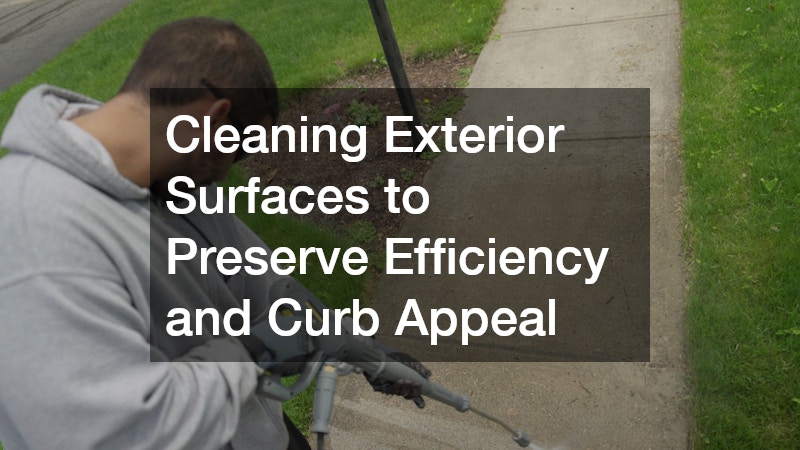
Dirt, mold, and algae buildup on exterior surfaces do more than look unsightly; they can trap moisture and degrade materials faster, leading to premature repairs. Periodic power washing removes these buildups from siding, driveways, and walkways, extending the life of materials that protect your home’s structure. Clean exterior surfaces also reflect sunlight more effectively, which can modestly reduce heat absorption during warmer months.
This maintenance task is often overlooked in sustainability planning, but it directly supports the longevity of other upgrades like insulation and siding. Scheduling this service annually helps homeowners avoid costlier restoration work down the road.
Adding Security Features That Support Efficient Property Management
Sustainable homeownership isn’t only about energy bills; it also involves protecting the investments you’ve made in efficiency upgrades. Professional gate installation adds a layer of security while also helping manage access points that affect landscaping irrigation and outdoor lighting zones. A well-placed gate can serve double duty, controlling who enters the property while also defining the boundaries of smart irrigation zones so sprinklers aren’t wasting water on driveways or unused side yards. Well-planned entry points reduce unnecessary energy use tied to exterior lighting and automated systems by keeping them properly zoned. For example, motion-activated lighting paired with a gated entry can cut exterior lighting costs by 30% or more compared to dusk-to-dawn fixtures that run regardless of activity. Pairing gate sensors with smart hubs also allows homeowners to automatically disarm irrigation lines or dim pathway lighting when the property is unoccupied. Beyond energy savings, gates help protect solar panels, HVAC equipment, and other high-value efficiency upgrades from theft or tampering, which is increasingly important as these systems become common targets. Homeowners should consider material durability, automation compatibility, and local climate when choosing gate hardware, since extreme heat or coastal moisture can accelerate wear on motors and hinges. Investing in quality installation upfront reduces the likelihood of costly repairs or security gaps down the line.
For properties with solar arrays, heat pumps, or other mechanical equipment stored outdoors, controlled access reduces liability and potential damage from unauthorized entry. A gated equipment enclosure or smart lock on a utility shed can prevent tampering with inverters, wiring, and refrigerant lines that are expensive to repair or replace. Some homeowners pair these entry points with motion-activated cameras, adding a layer of monitoring without the cost of a full security system. This kind of protection carries real financial weight. Replacing a damaged solar inverter can run $1,500 to $3,000, and a compromised heat pump condenser may cost even more once labor and refrigerant charges are factored in. Insurance policies also increasingly ask about security measures for high-value outdoor equipment, so documented access control can help keep premiums in check. Beyond theft and vandalism, restricted access limits the chances of accidental damage from landscaping crews, pets, or curious neighbors bumping into exposed components. Simple measures — a locked gate, a keypad entry, or a weatherproof camera aimed at the equipment pad — go a long way toward protecting the efficiency investments that generate your long-term utility savings.
Generating Your Own Power with Renewable Energy Systems
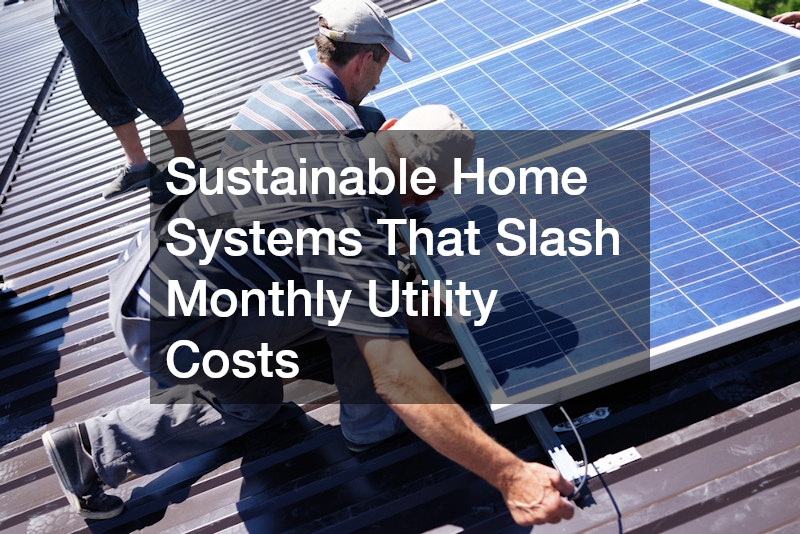
For homeowners serious about cutting monthly costs, generating electricity on-site remains one of the most impactful options available. Home solar systems have become significantly more affordable over the past decade, with many households seeing a noticeable drop in their electric bills within the first year of installation. Pairing solar panels with battery storage adds further protection against rate spikes and outages, giving homeowners more control over their energy consumption.
Before committing to an installation, it’s worth evaluating your roof’s condition, orientation, and shading, since these factors directly affect system performance. Many homeowners choose to handle roofing repairs first, ensuring the surface is ready to support decades of reliable solar production without future disruptions.
- Battery storage extends solar usability during outages or peak hours
- South-facing roofs typically generate the most consistent output
- Local incentives can offset a significant portion of installation costs
- Regular panel cleaning maintains optimal energy production
Cutting monthly utility costs comes down to treating your home as a connected system rather than a collection of separate parts. From roofing and drainage to electrical panels and renewable energy, each upgrade supports the others when planned thoughtfully. Start by identifying which systems in your home are underperforming, then prioritize the changes that offer the fastest, most reliable return. With consistent maintenance and smart upgrades, lower utility bills become a lasting result rather than a temporary fix.