
Every homeowner eventually faces the same question when a contractor pitches an upgrade: will this actually pay for itself, or is it just money spent for the sake of spending? Some improvements quietly drain your wallet through higher utility bills and repeat repairs, while others start returning value within months. The trick is knowing which fixes offer real, measurable savings versus which ones just sound good in a sales pitch. This guide breaks down the water and energy upgrades that consistently deliver a return, so you can prioritize your budget with confidence.
Sealing and Insulating Your Roof for Long-Term Efficiency
Your roof does more than keep rain out. It plays a major role in how much conditioned air escapes your home, especially in attics with poor insulation or aging flashing. A roof in disrepair lets heat pour in during summer and escape during winter, forcing your HVAC system to work overtime.
Hiring experienced roofers to inspect for gaps, deteriorated underlayment, and ventilation issues can reveal cheap fixes that yield outsized savings. Many homeowners are surprised to learn that a few hundred dollars in sealing and insulation upgrades can shave a noticeable percentage off monthly energy bills.
- Ask for an attic ventilation assessment during any roof inspection
- Reflective or light-colored roofing materials reduce heat absorption
- Sealing gaps around vents and chimneys stops conditioned air loss
- Proper insulation depth matters as much as roof condition itself
Cleaning Your Air Ducts to Improve HVAC Performance
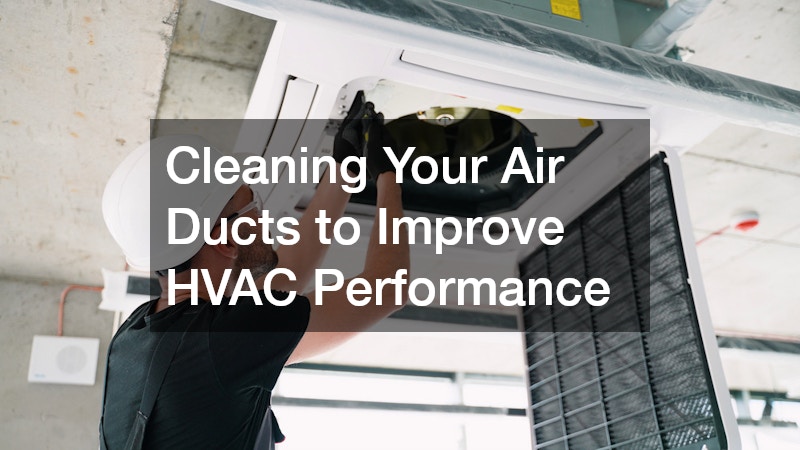
Dust, debris, and even mold can build up inside air ducts over years of use, forcing your heating and cooling system to push air through clogged pathways. This added resistance increases energy consumption and shortens the lifespan of your HVAC equipment. Over time, dirty ducts can also reduce indoor air quality, which affects comfort and health.
Professional duct cleaning removes years of accumulated debris and restores proper airflow, letting your system run efficiently instead of straining against blockages. Homeowners who invest in this maintenance often notice a more consistent temperature throughout the house and a drop in energy usage. It is a relatively low-cost service with a payback period that shows up quickly on utility bills.
- Schedule duct inspections every three to five years, sooner if you have pets
- Watch for dust buildup around vents as a warning sign
- Clean ducts also reduce strain on filters and blower motors
Fixing Leaks Before They Become Expensive Emergencies
A small drip under the sink or a slow leak in a wall might seem minor, but leaks waste thousands of gallons of water annually and can cause structural damage if ignored. Catching these problems early is one of the most cost-effective ways to protect both your water bill and your home’s foundation. Many leaks go unnoticed for months because they occur in places homeowners rarely check.
Calling a qualified drain cleaning plumber at the first sign of slow drainage or unusual moisture can prevent a minor clog from turning into a burst pipe. Preventive plumbing maintenance costs far less than emergency repairs and water damage restoration. Regular inspections of exposed pipes, water heaters, and supply lines also help catch problems before they escalate.
- Check under sinks and around toilets monthly for moisture
- Monitor your water meter for unexplained usage spikes
- Address slow drains quickly rather than relying on chemical fixes
- Insulate exposed pipes to prevent freezing and cracking in cold months
Renovating an Aging Swimming Pool for Efficiency

Older pools often rely on outdated pumps, filters, and liners that waste both water and electricity. A cracked shell or failing plumbing beneath the surface can leak thousands of gallons over a season without any obvious sign above ground. These inefficiencies add up quickly, especially in warmer climates where pools run for most of the year.
Investing in gunite pool renovations allows homeowners to replace outdated components with energy-efficient variable-speed pumps, better filtration, and updated plumbing that reduces water loss. While the upfront cost is higher than smaller repairs, a renovated pool can cut energy use significantly and extend the structure’s lifespan by decades. For anyone using their pool heavily, this upgrade often pays for itself faster than expected through lower utility and maintenance costs.
- Variable-speed pumps use a fraction of the energy of single-speed models
- Resurfacing prevents water loss through hairline cracks
- Updated plumbing reduces the risk of underground leaks
Choosing Durable Materials for Outdoor Hardscaping

Landscaping and hardscaping choices affect more than curb appeal. The materials you choose for patios, walkways, and retaining walls influence how much water your property absorbs versus sheds, which can impact drainage and irrigation costs over time. Porous materials allow rainwater to soak into the ground instead of running off into storm drains, reducing strain on municipal systems and your own irrigation needs.
Working with reputable stone suppliers to select permeable pavers or natural stone can reduce runoff and lower the amount of supplemental irrigation your landscaping requires. Durable stone also resists cracking and shifting better than cheaper alternatives, meaning fewer repairs down the road. This combination of water efficiency and longevity makes stone a smart long-term investment for outdoor spaces.
- Permeable pavers reduce runoff and support groundwater recharge
- Natural stone resists weathering better than concrete alternatives
- Proper base preparation extends the lifespan of any hardscape project
Maximizing Storage Space to Reduce Clutter-Driven Waste

It might not seem obvious, but disorganized storage often leads to indirect waste. Homeowners without efficient storage solutions frequently buy duplicate items because they cannot find what they already own, or they leave closets so packed that clothing and linens wear out faster from poor airflow and crushing. This translates into unnecessary spending over time.
A well-designed custom closet maximizes every inch of available space, improving airflow around stored items and making it easy to see what you have. This reduces the tendency to overbuy and helps clothing, linens, and other stored goods last longer. While the upfront investment varies based on size and materials, the long-term savings from reduced replacement purchases and better organization add real value.
- Adjustable shelving accommodates changing storage needs over time
- Cedar-lined sections naturally protect textiles from moths and moisture
- Better organization reduces impulse purchases of duplicate items
Repairing Drywall Promptly to Prevent Bigger Damage
Cracks, water stains, or soft spots in drywall are often symptoms of a larger issue, whether it is a slow roof leak, plumbing problem, or humidity imbalance. Ignoring these signs allows moisture to spread, potentially leading to mold growth and structural damage that costs far more to fix later. Addressing drywall issues early is one of the simplest ways to avoid a much larger repair bill.
Reputable drywall companies can quickly identify whether damage is cosmetic or a sign of an underlying problem, and they can repair the affected area before it spreads to adjacent walls or ceilings. Prompt repairs also help maintain your home’s insulation value, since damaged drywall can compromise the wall cavity’s ability to hold in conditioned air. Fixing small sections now is always cheaper than replacing entire walls later.
- Watch for recurring stains that reappear after repainting
- Soft or bubbling drywall usually indicates active moisture intrusion
- Prompt repairs preserve insulation performance and indoor air quality
Upgrading Home Security Without Overspending
Security upgrades are often lumped in with luxury spending, but certain improvements offer genuine value by preventing costly break-ins, lockouts, and emergency service calls. Simple changes to how you manage keys and access points can reduce long-term risk without requiring a full security system overhaul.
Working with a licensed auto key locksmith to rekey vehicles or duplicate keys properly avoids the higher costs of dealership replacements and reduces the risk of lockout emergencies that come with rush fees. Extending this logic to your home, rekeying locks after a move or replacing worn hardware is a small expense that prevents larger losses. These proactive measures are inexpensive compared to the financial and emotional cost of a break-in or lockout at an inconvenient time.
- Rekeying is often cheaper than full lock replacement
- Duplicate keys through a professional avoid electronic programming errors
- Keeping a spare key with a trusted neighbor avoids emergency locksmith fees
Adding Window Screens to Cut Cooling Costs
Natural ventilation is one of the most underused tools for reducing energy bills, especially in mild climates where air conditioning is not always necessary. Opening windows on opposite sides of a house to create cross-breezes can drop indoor temperatures by several degrees at little to no cost, but most homeowners keep windows shut simply to avoid letting in bugs, pollen, or debris. Quality window screens solve that problem for a modest investment. Standard fiberglass mesh screens typically cost $15 to $40 per window installed, while retractable or solar screens run higher but add UV and glare reduction on top of airflow. Given that running central air can account for close to half of a home’s summer energy bill, even occasional substitution with natural ventilation on cooler evenings can meaningfully cut cooling costs over a season. The challenge is balancing fresh air with pest control and maintaining an unobstructed view when screens are not in use. Retractable screens address this directly, tucking away into a slim housing so windows look clear and unobstructed when closed. Magnetic and roll-down variants offer similar flexibility without permanent hardware, making them a good option for renters or anyone hesitant to modify window frames. For maximum benefit, pair screens with a simple routine: open windows during cooler morning and evening hours, then close blinds or shades during peak afternoon heat to keep the cooled air in. This approach costs nothing beyond the screens themselves and can delay or reduce the need for air conditioning on all but the hottest days.
Retractable screens solve this by allowing homeowners to open windows and doors for cross-breezes without inviting insects inside, reducing dependence on air conditioning during moderate weather. On mild spring and fall days when outdoor temperatures sit in the 65–75°F range, natural ventilation can often replace mechanical cooling entirely for several hours a day. That shift alone can meaningfully cut the number of hours a compressor runs, especially in regions with cool evenings. Because retractable screens retract when not needed, they preserve sightlines and outdoor access while still offering protection when in use. This is a notable advantage over fixed screens, which permanently obstruct views and slightly reduce airflow even when bugs aren’t a concern. Options range from simple manual pull-down models to motorized versions that can be triggered by a wall switch or smart home app, making it easier to use them consistently rather than leaving windows shut out of habit. Installation costs typically range from $150 to $400 per opening depending on size and whether the unit is manual or motorized, with whole-house retrofits sometimes qualifying for manufacturer rebates. Over a full season, the reduced air conditioning runtime can add up to meaningful savings on energy bills, particularly in climates with long shoulder seasons. Homeowners who track their usage often find the payback period shortens further when screens are paired with ceiling fans or whole-house fans that maximize the benefit of the extra airflow.
- Retractable screens work well on doors, large windows, and patio openings, letting you switch between airflow and full glass views in seconds
- Solar screens go a step further, blocking up to 70% of incoming heat before it ever reaches your windows
- Reducing AC runtime during mild months lowers overall energy costs, often shaving 10-15% off spring and fall cooling bills
- Durable mesh options resist tearing from pets and frequent use, with fiberglass and vinyl-coated polyester holding up best over time
- Professional installation typically runs $150-$400 per opening, but most homeowners recoup that cost within two to three cooling seasons
Mounting Electronics Properly to Protect Your Investment

Improperly mounted televisions and electronics are more than a cosmetic issue. Poor mounting can lead to accidental drops, damaged walls, and even injury, all of which carry real financial costs. A wall-mounted television that is not secured to studs or proper anchors risks falling, which can destroy the device and damage drywall or flooring beneath it.
Professional TV mounting ensures devices are securely anchored, properly leveled, and positioned to avoid strain on cables and ports that can lead to premature failure. This service also typically includes cable management, which reduces wear on cords and connectors over time. While it may seem like a minor upgrade, protecting an expensive television or sound system from accidental damage is a straightforward way to avoid replacement costs.
- Studs or heavy-duty anchors are essential for secure mounting
- Proper cable management reduces wear on ports and connectors
- Correct viewing height reduces neck strain and improves long-term comfort
Not every home upgrade needs to be a gamble on future savings. By focusing on improvements with a proven track record, like sealing your roof, cleaning your ducts, fixing leaks early, and choosing durable materials, you can make confident decisions that pay off in lower bills and fewer emergency repairs. Start by identifying the one or two areas in your home showing the clearest signs of inefficiency or wear, then tackle those first. Prioritizing practical, cost-recouping upgrades over cosmetic extras is the smartest way to get long-term value from your home improvement budget.