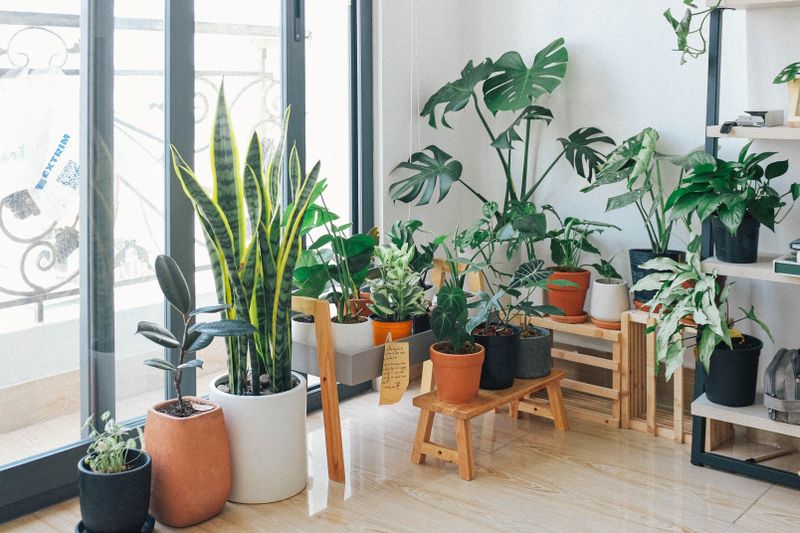

Key Takeaways
- Modern homes trap pollutants from paint, cleaning products, furniture, and cooking, making the atmosphere inside often worse than the air just outside
- Houseplants work through leaves, roots, and soil microbes to absorb volatile organic compounds like benzene, formaldehyde, and trichloroethylene
- Spider plants, peace lilies, snake plants, pothos, and rubber plants are among the easiest starter options for beginners with little gardening experience
- Light levels, pot drainage, and watering rhythm matter more than fancy fertilizers when keeping purifying greenery alive
- Overwatering is the top reason beginner plants die, and soggy soil can actually introduce mold spores that harm respiration
- A mix of several plants across different rooms works better than relying on one hero specimen in a single corner
- Plants complement but do not replace ventilation, filters, and routine cleaning habits
Why the Air Inside Your Home Deserves a Second Look
Most people assume that stepping through the front door means stepping into cleaner surroundings. The truth is nearly the opposite. Research from the University of Washington Department of Health shows that people spend between 65 and 90 percent of their time indoors, where the air can be two to five times more polluted than what you breathe outside. Sealed windows, synthetic furnishings, and modern insulation all trap invisible chemicals that build up over time.
That matters because the lungs do not take weekends off. Every breath carries whatever is floating around the room, from off-gassing couch foam to residue from scented candles. Over months and years, that chronic exposure can contribute to headaches, allergy flare-ups, and respiratory irritation.
Enter the humble houseplant. Long before HEPA filters existed, green leaves were quietly scrubbing the atmosphere of tiny molecules we never see. For beginners who want a low-cost, low-tech way to freshen their space, a windowsill of thriving greenery is a genuinely effective place to start.
How Houseplants Actually Clean the Air
Plants pull in carbon dioxide through tiny pores called stomata and release oxygen as a byproduct of photosynthesis. That part most of us remember from school. What gets less attention is the way leaves also absorb volatile organic compounds, better known as VOCs, which include common toxins like formaldehyde, benzene, xylene, and trichloroethylene.
Once those compounds enter the leaf, enzymes break them down, or they travel to the root zone. There, bacteria and fungi living in the soil finish the job by metabolizing the chemicals into harmless substances. The pot itself, in other words, is a tiny biological filter. This is why covering the soil completely or letting roots rot defeats the whole system.
Researchers are even engineering plants to work harder. According to the National Institutes of Health, a genetically modified houseplant removed almost five times more benzene than its unaltered counterpart, which hints at just how much untapped potential sits in ordinary foliage.
Which Species Actually Pull Their Weight
Not every plant performs equally. Some look stunning but do little filtering, while others are champions of chemical absorption. For anyone curious about the best plants for cleaner indoor air, the most reliable starter species have been studied for decades, including in NASA’s foundational Clean Air Study from the late 1980s.
Here are beginner-friendly options worth considering:
- Spider plant (Chlorophytum comosum): tolerates neglect and multiplies on its own
- Peace lily (Spathiphyllum): flowers indoors and signals thirst by drooping
- Snake plant (Dracaena trifasciata): survives low light and infrequent watering
- Golden pothos (Epipremnum aureum): trails attractively from shelves
- Rubber plant (Ficus elastica): grows into a statement piece over time
- Boston fern (Nephrolepis exaltata): thrives in humid bathrooms
The spider plant stands out for new growers. As noted by PlantCareAI, NASA’s original experiments found that spider plants stripped 95 percent of formaldehyde out of a sealed test chamber within a single day. That kind of performance from a plant that costs a few dollars is hard to beat.
The Peace Lily’s Unique Strength
The peace lily deserves its own mention because it handles multiple toxins at once. According to the Farmers’ Almanac, the Clean Air Study found peace lilies can pull out as much as 25 percent of certain airborne toxins in a single day. That makes it a smart pick for bedrooms or offices where printers, electronics, and new furniture release a steady drip of chemicals. Just keep it away from curious pets, since the leaves are mildly toxic if chewed.
Matching Plants to the Rooms You Live In
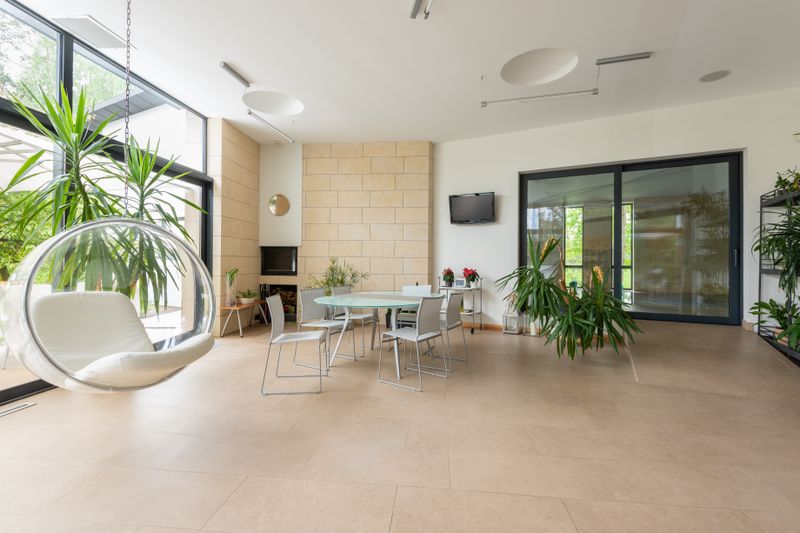
A plant that thrives in a bright kitchen may sulk in a dim bedroom. Light, humidity, and temperature all shape how well greenery survives, and survival is a prerequisite for any filtering benefit. Start by observing how sunlight moves through each room over the course of a day.
South-facing windows deliver the strongest, most consistent light, which suits rubber plants and jade. North-facing rooms get softer, cooler light where snake plants and pothos quietly thrive. Bathrooms, with their steam and fluctuating warmth, are perfect micro-climates for ferns and orchids that enjoy moisture on their leaves.
Thinking About Kitchens and High-Traffic Zones
Kitchens see cooking fumes, grease particles, and sudden temperature swings, so hardy plants earn their keep there. A pothos trailing from the top of a cabinet or a snake plant by the window handles these conditions without complaint. Pairing plants with smart habits can also reduce dust and moisture that would otherwise settle on leaves and block their pores. Wiping foliage with a damp cloth once a month keeps those tiny stomata open and working.
Keeping Beginner Plants Alive Without Overthinking It
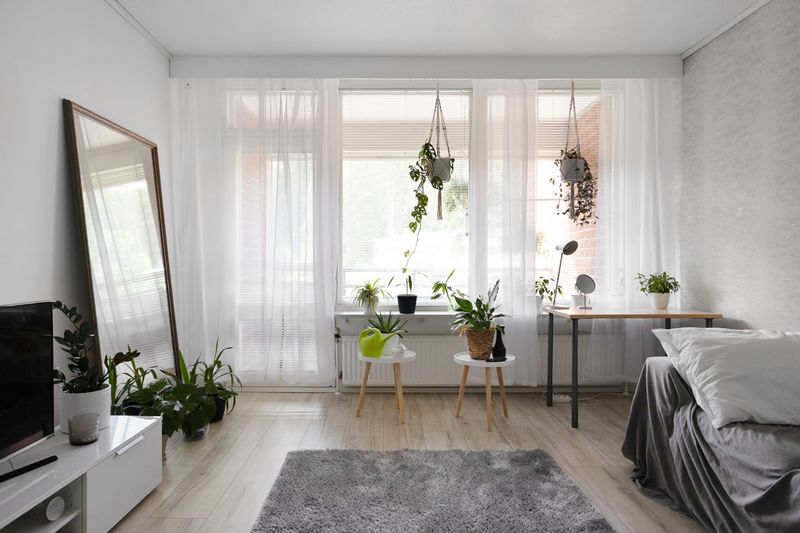
Most new plant parents kill their first few purchases through kindness. Overwatering drowns roots, invites fungal growth, and creates the exact mold spores you were trying to avoid. The fix is simple: check the soil with your finger before reaching for the watering can. If the top inch feels dry, water thoroughly until liquid drains from the bottom. If it still feels damp, wait.
Lighting mistakes come next. A plant labeled “low light” tolerates less sun than others, but it still needs some illumination to photosynthesize and clean the air around it. Rotating pots a quarter turn every week helps growth stay even and prevents the lopsided lean toward windows.
Core habits worth building from day one:
- Water based on soil dryness, not a fixed weekly schedule
- Use pots with drainage holes and empty saucers after watering
- Dust leaves monthly with a soft, damp cloth
- Repot every one to two years when roots circle the pot
- Skip fertilizer during winter when growth slows naturally
- Group plants together to raise local humidity
Follow those rhythms and most beginner species will reward you by not just surviving but filling out, which means more leaf surface actively working on your indoor air quality.
Realistic Expectations and Smart Pairings
Plants help, but they are not magic filters that replace mechanical ventilation. Early studies were conducted in small sealed chambers, and real homes have open doors, drafts, and constant pollutant sources. You would need a jungle-like quantity of plants to match the throughput of a good HEPA purifier.
That does not mean plants are useless. It means they work best as part of a layered approach. Think of them as the biological piece of a puzzle that also includes open windows on mild days, a decent vacuum with a sealed filter, and fewer scented sprays in the first place.
A practical pairing strategy looks like this:
- Run exhaust fans while cooking or showering to vent moisture and particles
- Open windows for ten minutes each morning when outdoor conditions allow
- Cluster three to five plants in rooms where you spend the most time
- Choose low-VOC paint and furniture when replacing items
- Keep a small HEPA unit running in bedrooms during allergy season
The goal is not to turn your living room into a greenhouse. It is to stack small wins so the air you breathe for eight hours of sleep or six hours of remote work is measurably fresher than it would be otherwise.
How Many Plants Are Enough
A loose rule circulating among growers suggests one medium plant per hundred square feet of floor space, scaled up if ceilings are tall or ventilation is poor. That works out to roughly two plants in a small bedroom, four or five in an average living room, and perhaps one in a bathroom or hallway. Spreading them around beats stacking them in one corner, since pollutants do not travel evenly through a home.
Start with three forgiving species, learn their quirks over a season, then expand. Buying twenty plants in a single weekend almost guarantees that half of them will die before you figure out what each one needs.
Conclusion
Growing houseplants for cleaner breathing room is one of those rare projects where the payoff compounds quietly over time. The first spider plant leads to a second, the second teaches you about light, and before long you have a small collection quietly working in the background of your daily life. None of it requires expensive equipment or a green thumb you were born with.
What matters most is matching species to space, resisting the urge to overwater, and understanding that leaves can only help if they are alive and dust-free. Combine that with simple ventilation habits and sensible product choices, and the cumulative effect on your home environment is real.
Give it a season. Watch how a peace lily perks up after a drink, how a pothos vine stretches toward a window, how a snake plant stays green through the depths of winter. The plants do their part without asking for much in return, which is exactly the kind of partnership a beginner can grow into.