

A small water stain on the ceiling or a slow drip under the sink rarely feels urgent, so many homeowners wait to deal with it. But some of the most common household problems have a way of multiplying overnight, turning a minor fix into a five-figure emergency. Understanding which repairs carry this hidden risk can help you catch trouble early, budget wisely, and avoid the kind of financial shock that derails savings plans. This guide breaks down the household systems most likely to spiral out of control and what to watch for before they do.
A Small Roof Leak Becomes a Structural Emergency
A missing shingle or a cracked flashing seal might seem like a cosmetic issue, but water finds every path of least resistance once it gets under your roofline. Left unaddressed, that trickle can rot the decking, soak insulation, and compromise ceiling joists within a single rainy season. What starts as a 300 dollar patch job can quickly become a full roof replacement once the underlying structure is compromised.
The tricky part is that roof damage is often invisible from the ground and even from inside the attic until it has spread significantly. Discoloration on ceilings, granules collecting in gutters, or a musty smell in upper rooms are all early warning signs worth investigating immediately.
- Schedule a professional roof inspection after any major storm
- Check attic insulation for damp spots at least twice a year
- Replace cracked or curling shingles before winter weather arrives
- Watch for daylight visible through attic boards
Slow Plumbing Drips Turn Into Major Water Losses

A dripping faucet or a slightly loose supply line rarely feels like an emergency, which is exactly why it becomes one. Pipes hidden inside walls or under slabs can leak for weeks or even months before anyone notices, quietly saturating framing, subfloor, and insulation the whole time. A pinhole leak releasing just a few drops per minute can waste over 3,000 gallons a year, and a more significant slab leak can push a water bill up by hundreds of dollars before it’s ever traced to its source. The real danger isn’t the water itself but what it sets in motion. Constant moisture inside a wall cavity creates ideal conditions for mold growth within 24 to 48 hours, and once mold colonizes drywall or insulation, remediation costs climb fast. Wood framing exposed to prolonged dampness can also warp, rot, or lose structural integrity, turning what should have been a simple pipe repair into a full teardown of walls, cabinetry, or flooring. By the time a homeowner spots a bulging wall, peeling paint, a musty smell, or a spike in the water bill, thousands of gallons may have already caused damage. Slab leaks are especially deceptive since they can undermine a foundation for a long time before any visible sign appears above ground. What starts as a $150 plumbing fix can turn into a $10,000-plus repair involving mold remediation, drywall replacement, and structural work once the leak is finally found.
A single pinhole leak can release over 100 gallons of water a day, quietly soaking framing, drywall, and subflooring long before a stain ever appears on the ceiling. Calling in professional plumbing services at the first sign of unusual pressure changes, discolored water, or unexplained dampness can prevent a contained issue from becoming a home-wide disaster. Waiting even a few weeks can turn a $200 repair into a $10,000 remediation job involving mold removal, drywall replacement, and flooring repair. Homes built before the 1970s are especially vulnerable, since galvanized steel and cast iron pipes corrode from the inside out, often giving no external warning signs. Many plumbing services can run camera inspections through these older systems to catch rust buildup, pinhole leaks, or mineral scaling before a section of pipe fails completely. This kind of inspection typically costs a few hundred dollars but can spare homeowners from a burst pipe that floods multiple rooms at once. It’s also worth having a plumber check water pressure regularly, since anything consistently above 80 psi puts extra strain on pipe joints and fittings. Installing a pressure regulator or a leak-detection sensor near washing machines, water heaters, and under sinks adds an inexpensive layer of protection. These small investments, often under $100, can flag a problem in minutes instead of days.
- Listen for hissing or knocking sounds inside walls, especially near bathrooms and kitchens where supply lines run
- Monitor your water meter for unexplained usage spikes — shut off all fixtures, check the meter, wait two hours, and recheck for movement
- Have galvanized or aging copper pipes inspected every few years, particularly in homes built before 1970 where corrosion is common
- Address low water pressure promptly rather than ignoring it, since it often signals a hidden leak or mineral buildup narrowing the pipe
- Watch for damp spots, warped flooring, or peeling paint near baseboards, which can indicate a slow leak behind walls
- Check your water bill monthly for gradual increases, not just sudden spikes, since slow drips can raise costs incrementally over months
Overlooked Water Intrusion Leads to Hidden Structural Rot
Once water gets into drywall, subflooring, or wood framing, the clock starts ticking on mold growth and material breakdown. Even a modest flood from a washing machine hose or overflowing tub can wick into baseboards and spread beneath flooring within 24 to 48 hours. This is why fast action matters more than most homeowners realize.
Professional water damage restoration teams use moisture meters and industrial drying equipment to reach saturation that’s invisible to the naked eye. Waiting even a few extra days for insurance approval or a lower quote can allow mold colonies to establish themselves, turning a drying job into a full demolition and rebuild.
- Remove standing water within hours, not days
- Use fans and dehumidifiers immediately after any leak
- Document damage with photos before cleanup begins
- Treat any water event near drywall as a mold risk
Warped or Buckled Floors Signal Bigger Problems Underneath

Flooring that cups, buckles, or feels soft underfoot is often the visible symptom of a much larger moisture problem happening below the surface. Hardwood, laminate, and even tile can absorb ambient humidity from a slow leak or poor subfloor ventilation long before staining appears. Ignoring these subtle warping signs allows the damage to spread to adjoining rooms.
When homeowners finally visit flooring stores to price out replacement, they’re often surprised to learn the subfloor itself needs repair first, adding significant cost to what they assumed was a simple material swap. Getting ahead of the moisture source is always cheaper than replacing flooring twice.
- Check for soft spots near dishwashers, refrigerators, and bathrooms
- Note any persistent musty odor near flooring seams
- Inspect subflooring before purchasing replacement materials
- Address humidity control in basements and crawl spaces
Neglected Air Conditioning Units Fail at the Worst Possible Time
An air conditioning system that’s low on refrigerant or running with a clogged coil doesn’t just work less efficiently, it works harder, which accelerates wear on the compressor. Many homeowners only notice a problem once the unit stops entirely, usually during a summer heat wave when demand for repairs is highest. A compressor failure can cost several times more than the seasonal tune-up that would have prevented it.
Routine AC service twice a year, once before summer and once before winter, allows technicians to catch small issues like refrigerant leaks or worn belts before they cascade into total system failure. Waiting for a breakdown almost always means paying emergency rates on top of the repair itself.
- Change air filters every one to three months
- Keep outdoor condenser units clear of debris and vegetation
- Schedule seasonal maintenance before peak usage months
- Address strange noises or odors immediately
Untrimmed Trees Put Roofs, Fences, and Foundations at Risk

A tree that looks healthy from a distance can still have weak limbs, shallow root systems, or disease that isn’t visible until a storm brings a branch down on the roof or a fence line. Overgrown limbs that hang near rooflines also trap moisture and debris, accelerating shingle deterioration. Root systems from mature trees can shift too, slowly cracking foundations or driveways over several seasons.
Routine tree pruning keeps branches away from structures and reduces the weight and leverage that make limbs prone to snapping during high winds. It’s far less expensive to hire a professional for seasonal trimming than to cover storm cleanup, roof repair, and fence replacement after a large limb falls.
- Trim branches at least ten feet away from rooflines
- Remove dead or visibly diseased limbs promptly
- Watch for lifting soil near large trees close to the foundation
- Schedule pruning during dormant seasons for best results
Storm Damage Turns Fence Repairs Into Full Rebuilds
Fences take a beating from wind, moisture, and shifting soil, and a few leaning posts are often an early sign that the whole structure is losing integrity. What looks like a simple repair job can reveal rotted posts below the soil line or rusted hardware that compromises the entire fence run. Once one section fails structurally, the stress often transfers to neighboring panels, accelerating the timeline for a full replacement.
Bringing in a fence contractor for an annual check of post stability and hardware condition is far cheaper than waiting for a storm to take down an entire section. Many contractors can also identify soil drainage issues around the fence line before they undermine the footings.
- Test posts for wobble or give at ground level
- Look for rust streaks on metal hardware and hinges
- Replace rotted wood posts before they snap under wind load
- Improve drainage near fence lines prone to standing water
Clogged Gutters Cause Damage Far Beyond the Roofline
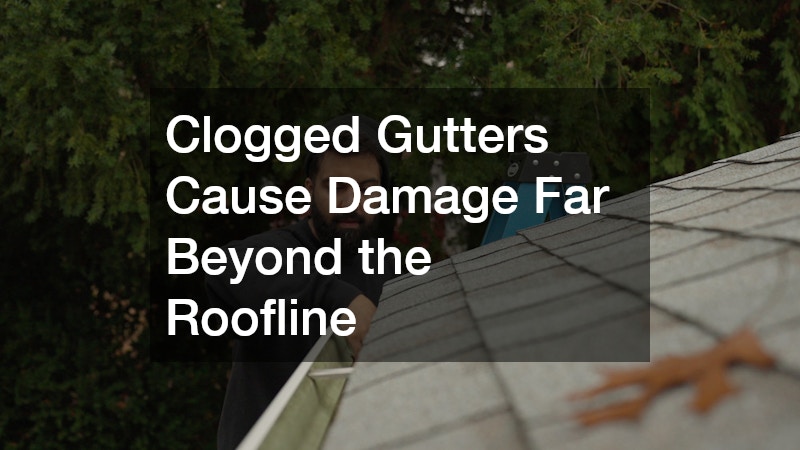
Gutters that overflow don’t just make a mess, they redirect water straight down your siding and foundation walls, saturating the soil beneath. Over time, this can lead to basement seepage, cracked foundations, and even damage to landscaping and walkways. Ice dams in colder climates make the problem worse, forcing water back under shingles during winter thaw cycles.
Hiring gutter companies for a seasonal cleaning, ideally in spring and fall, keeps water flowing away from the home instead of pooling where it can cause the most damage. Many companies also install guards that reduce debris buildup and extend the time between cleanings.
- Clear leaves and debris before the rainy season begins
- Check downspouts for proper drainage away from the foundation
- Inspect for sagging sections that indicate water pooling
- Consider gutter guards if your property has heavy tree coverage
Ignored Pool Cracks Escalate Into Expensive Rebuilds
A hairline crack in pool plaster or a slow drop in water level might seem minor, but it often signals a structural issue in the pool shell or plumbing lines beneath it. A bucket test can help you tell the difference: fill a bucket to match the pool’s water line, mark both levels, and check after 24 hours. If the pool loses noticeably more water than the bucket, you’re likely looking at a shell crack or a leaking pipe rather than simple evaporation. Left unchecked, water can seep into the surrounding soil, undermining decking and even nearby foundations. This kind of erosion happens quietly, often for months, before cracked concrete or a sunken patio makes the problem visible above ground. By the time you see surface damage, the soil beneath may already require excavation and compaction before any rebuilding can start. Small tile or coping issues can also indicate shifting that will worsen with each freeze-thaw or heat cycle. Cracked coping, gaps where tile meets the pool wall, or plaster that’s separating from the shell are all early warning signs worth a professional inspection. What starts as a $200 patch job can turn into a $15,000–$30,000 shell replacement if the underlying structure keeps moving and cracking unaddressed.
Reputable swimming pool companies recommend addressing cracks and leaks the moment they’re spotted, since resurfacing early can cost a few hundred to a couple thousand dollars, while pool renovations undertaken after years of water loss and structural movement can run tens of thousands. A hairline crack in the plaster might seem cosmetic, but it often signals movement in the gunite or concrete shell beneath, and that movement only worsens with time. Left unchecked, a slow leak erodes the soil surrounding the pool, causing the deck to sink, tiles to pop, and plumbing lines to shift out of alignment. What starts as a simple patch job can snowball into replacing skimmers, re-plumbing entire sections, and repouring sections of the deck. A pool that’s allowed to leak for an extended period can require rebuilding the shell entirely, turning a routine fix into a major construction project involving draining, demolition, and months of downtime. Homeowners in this situation often face costs comparable to installing a brand-new pool, since engineers may need to excavate, reinforce the foundation, and rebuild the structure from the ground up rather than simply resurface it.
- Monitor water levels weekly; losing more than ¼ inch per day (beyond normal evaporation) signals a possible shell or plumbing crack
- Use the bucket test to rule out evaporation: place a bucket on the pool step, mark both water lines, and compare drops after 24 hours
- Inspect tile and coping for cracks, separation, or shifting, especially after freezes or ground movement
- Check for damp spots or soggy soil near the pool equipment pad, which can indicate an underground plumbing leak
- Address pump and filtration noises like grinding or whining before they signal failure, since a failing pump can mask pressure changes caused by leaks
- Watch for cracks spreading along the pool’s expansion joints, a common early warning sign of structural stress
- Get a professional leak detection test if water loss continues past a week, using dye testing or electronic listening equipment to pinpoint the source
- Repair small shell cracks early, since patch jobs often cost a few hundred dollars versus $10,000 or more for a full resurfacing or structural rebuild
The pattern across nearly every home system is the same: small, ignorable signs precede large, expensive failures. Catching a slow drip, a leaning fence post, or a hairline pool crack early is always cheaper than dealing with the aftermath of full failure. Make a habit of walking your property seasonally to look for these warning signs, and don’t hesitate to call in a qualified professional the moment something looks off. That small investment in attention now is what stands between you and an overnight financial catastrophe.