
Creating a more energy-efficient home is no longer just a trend—it’s a practical and responsible way to reduce monthly expenses while minimizing environmental impact. With rising utility costs and increasing awareness about sustainability, homeowners are looking for smarter ways to improve efficiency without sacrificing comfort.
The good news is that energy savings don’t always require a complete home overhaul. Strategic upgrades, consistent maintenance, and informed decisions can significantly lower energy consumption. From improving insulation to upgrading essential systems, there are numerous ways to create a home that works smarter, not harder.
This guide walks through actionable improvements you can implement to boost efficiency, reduce waste, and make your home more sustainable over time.
Upgrade to Energy-Efficient Lighting Systems
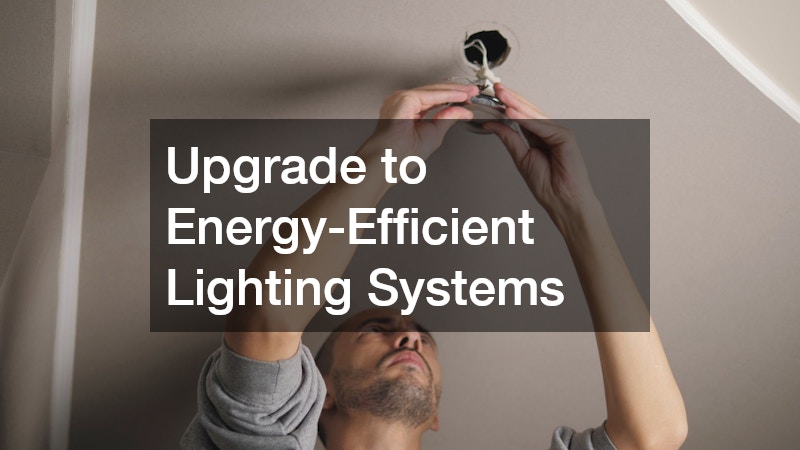
Lighting is one of the easiest and most cost-effective places to start when improving home efficiency. Traditional incandescent bulbs consume far more energy than modern alternatives, and switching to more efficient lighting solutions can result in immediate savings on your electricity bill. Beyond saving energy, upgrading your lighting can also enhance the overall comfort and aesthetic of your home.
Switching to systems like nuvo lighting allows homeowners to take advantage of LED technology, which uses significantly less energy and lasts much longer than incandescent bulbs. LEDs also produce less heat, which can help reduce the workload on your air conditioning system during warmer months. This makes them an ideal choice for sustainable homes looking to balance comfort, efficiency, and environmental responsibility. Beyond simply changing bulbs, it’s important to consider the design and placement of lighting throughout your home. Poorly positioned or overly bright lighting can lead to wasted energy, even if the bulbs themselves are energy-efficient.
Actionable tips:
- Replace all incandescent bulbs with LED alternatives throughout your home
- Install dimmer switches to adjust brightness based on usage and time of day
- Use motion sensors in low-traffic areas like hallways, closets, or garages
- Maximize natural light by keeping windows unobstructed and using light-colored window treatments
- Choose light fixtures designed to distribute light efficiently, reducing the number of bulbs needed
For larger projects, such as installing new fixtures, upgrading to smart lighting systems, or rewiring circuits to accommodate modern lighting, working with a residential electrician ensures safety and optimal performance. A professional can help you identify wiring issues, recommend the best placement for fixtures, and install energy-saving technologies correctly. This prevents energy waste, reduces the risk of electrical problems, and ensures your upgrades provide maximum efficiency.
Why it matters:
- LEDs use up to 75% less energy than traditional incandescent bulbs
- Lower heat output reduces cooling costs, especially in warm climates
- Longer lifespan means fewer replacements, reducing waste and maintenance costs
- Proper lighting placement and design enhances comfort and functionality while minimizing energy usage
By thoughtfully upgrading your home’s lighting system and incorporating professional guidance when needed, you can create a space that is not only brighter and more inviting but also significantly more energy-efficient and eco-friendly.
Optimize Your Heating System for Peak Performance
Heating systems are among the largest contributors to energy consumption in most homes, often accounting for nearly half of a household’s total energy use during colder months. Ensuring your system runs efficiently can dramatically reduce energy bills, improve comfort, and extend the lifespan of your equipment. Many homeowners overlook small inefficiencies—such as leaky ducts, dirty filters, or outdated components—that can have a significant impact on overall energy usage.
Partnering with an experienced HVAC contractor is one of the best ways to uncover these hidden inefficiencies. Professionals can assess your system’s performance, check for airflow issues, and recommend improvements that may not be immediately apparent. Regular inspections and tune-ups help ensure your heating system is operating at peak performance, preventing sudden breakdowns and costly emergency repairs.
Key steps to improve efficiency:
- Schedule annual inspections before winter to identify and address problems early
- Replace air filters every 1–3 months to maintain proper airflow and indoor air quality
- Seal leaks in ductwork to prevent warm air from escaping into unconditioned spaces
- Install a programmable or smart thermostat to optimize heating schedules and reduce waste
- Keep vents unobstructed to allow even distribution of warm air throughout your home
If your system struggles to maintain temperature, produces uneven heating, or makes unusual noises, it may be time to consider furnace repairs. Addressing issues early not only improves comfort but also prevents small problems from turning into expensive replacements. Timely repairs can restore efficiency, reduce energy waste, and extend the lifespan of your furnace.
Repair vs. replace considerations:
- Systems over 15 years old may be outdated and significantly less efficient than modern units
- Frequent breakdowns indicate declining performance and rising maintenance costs
- Rising energy bills often signal inefficiency, even if the system seems to be functioning normally
- Upgrading to a newer, high-efficiency furnace can provide long-term energy savings and improved comfort
By taking proactive steps and partnering with qualified professionals, homeowners can maintain a heating system that is reliable, cost-effective, and energy-efficient, ensuring both comfort and sustainability throughout the colder months.
Improve Cooling Efficiency Without Increasing Costs
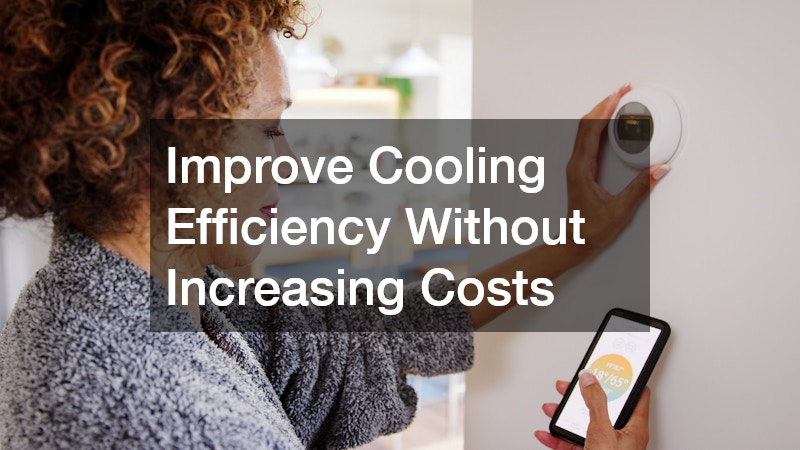
Cooling your home efficiently is just as important as heating it, especially during hot summer months when air conditioning can account for a large portion of your energy bill. Many homeowners overlook the small inefficiencies that accumulate over time, such as clogged filters, dirty coils, or obstructed outdoor units. These issues force the system to work harder, consume more energy, and shorten the lifespan of your air conditioner.
Regular HVAC repair is essential for maintaining optimal performance. Even minor problems like low refrigerant levels, worn-out belts, or blocked vents can significantly reduce efficiency. A professional inspection can identify these hidden issues before they become costly repairs. Proper maintenance ensures that the system operates at peak performance, uses less energy, and keeps your home consistently comfortable.
Practical ways to boost cooling efficiency:
- Set your thermostat to a moderate temperature (around 78°F in summer) to balance comfort and energy savings
- Use ceiling fans to improve air circulation, allowing you to raise thermostat settings without sacrificing comfort
- Close blinds or curtains during peak sunlight hours to reduce heat gain
- Clean or replace air filters regularly to maintain airflow and improve system efficiency
- Ensure outdoor units are free from debris, leaves, and overgrown vegetation
Additional tips:
- Avoid placing heat-generating appliances, like lamps or electronics, near thermostats, which can cause the system to run unnecessarily
- Use zoning systems or smart vents to cool only occupied areas, reducing wasted energy
- Schedule seasonal maintenance checks with a licensed HVAC technician to keep your system operating efficiently
Combining these strategies with responsible usage habits, such as turning off unused lights or limiting the use of heat-producing appliances during the hottest part of the day, can dramatically lower cooling costs. By addressing small issues proactively and maintaining your system properly, you can enjoy a cooler, more comfortable home while minimizing energy consumption and saving money on utility bills.
Invest in High-Performance Roofing Solutions
Your roof plays a significant role in regulating indoor temperature. Poor roofing can lead to heat loss in winter and heat gain in summer, making your HVAC system work harder.
Working with professionals who offer roofing services can help identify problem areas such as leaks, poor insulation, or outdated materials.
Energy-efficient roofing strategies:
- Install reflective or “cool” roofing materials
- Add proper attic insulation
- Seal gaps and cracks to prevent air leaks
- Ensure proper ventilation in attic spaces
If your roof is aging or damaged, investing in new roofing installations can provide long-term energy savings. Modern materials are designed to reflect sunlight and improve insulation.
Benefits of upgrading your roof:
- Reduced heating and cooling costs
- Improved indoor comfort
- Increased home value
- Enhanced durability and weather resistance
Manage Water Runoff to Protect Home Efficiency
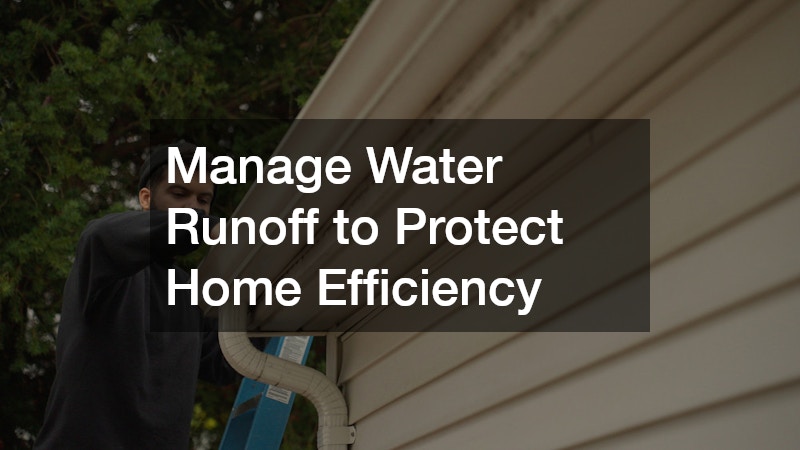
Water management may not seem directly related to energy efficiency, but it plays a critical role in protecting your home’s structure and insulation.
A properly functioning gutter installation service ensures that rainwater is directed away from your home, preventing moisture buildup that can compromise insulation and increase energy usage.
Why drainage matters:
- Wet insulation loses effectiveness
- Foundation damage can lead to air leaks
- Mold and mildew reduce indoor air quality
Maintenance tips:
- Clean gutters at least twice a year
- Check for leaks or sagging sections
- Ensure downspouts direct water away from the foundation
- Install gutter guards to reduce debris buildup
Proper drainage supports a more efficient home by maintaining the integrity of your insulation and structural components.
Install Exterior Features That Reduce Indoor Heat Gain
Reducing the amount of heat entering your home is one of the most effective ways to lower cooling costs. Exterior shading solutions provide a practical and stylish way to achieve this.
Outdoor solar shades are particularly effective at blocking sunlight before it reaches your windows, significantly reducing indoor temperatures.
Benefits of exterior shading:
- Lower indoor temperatures without additional energy use
- Reduced strain on cooling systems
- Protection for furniture and flooring from UV damage
- Enhanced privacy and comfort
Installation tips:
- Focus on south- and west-facing windows
- Choose durable, weather-resistant materials
- Ensure proper sizing for maximum coverage
Other options include awnings, pergolas, and strategically placed landscaping. Combining these solutions can create a more comfortable and energy-efficient living environment.
Maximize Water Heating Efficiency at Home
Water heating is another major contributor to household energy use. Improving efficiency in this area can lead to noticeable savings.
Regular water heater repair ensures your system operates efficiently and prevents energy waste caused by malfunctioning components.
Steps to improve efficiency:
- Set the thermostat to 120°F
- Insulate the water heater and pipes
- Flush the tank annually to remove sediment
- Fix leaks promptly
- Use low-flow fixtures to reduce hot water demand
Upgrade considerations:
- Tankless systems provide on-demand heating
- Energy-efficient models reduce standby heat loss
- Solar water heaters offer renewable energy options
Small changes in how you use and maintain your water heater can have a significant impact on overall energy consumption.
Seal and Insulate for Whole-Home Efficiency
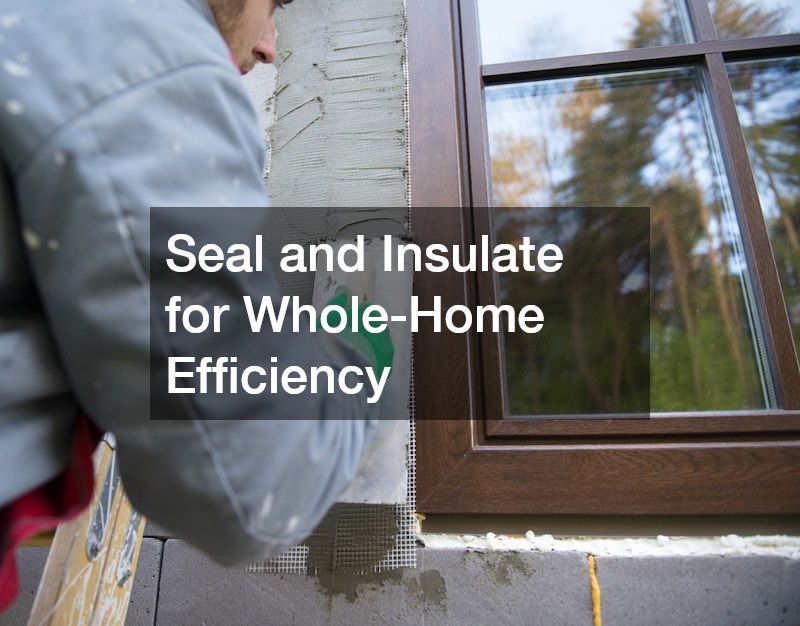
Air leaks and poor insulation are among the biggest causes of energy loss in homes. Addressing these issues creates a more stable indoor environment and reduces the workload on heating and cooling systems.
Common problem areas:
- Windows and doors
- Attic spaces
- Basements and crawl spaces
- Electrical outlets and light fixtures
Actionable improvements:
- Use weatherstripping around doors and windows
- Apply caulk to seal gaps and cracks
- Add insulation to attics and walls
- Install door sweeps to prevent drafts
Benefits:
- Lower energy bills
- Improved indoor comfort
- Reduced noise pollution
- Better humidity control
Investing in proper sealing and insulation is one of the most cost-effective ways to improve home efficiency.
Use Smart Home Technology to Monitor Energy Usage
Smart technology gives homeowners greater control over energy consumption. By monitoring usage and automating systems, you can identify inefficiencies and make informed adjustments.
Popular smart home solutions:
- Smart thermostats that learn your schedule
- Energy monitoring systems for real-time insights
- Smart plugs to control appliances remotely
- Automated lighting systems
How to maximize benefits:
- Set schedules for heating and cooling
- Use occupancy sensors to reduce wasted energy
- Monitor peak usage times and adjust habits
- Integrate multiple systems for seamless control
These tools not only improve efficiency but also add convenience and flexibility to your daily routine.
Create a Preventative Maintenance Plan for Efficiency
Consistent maintenance is essential for keeping your home running efficiently. A proactive approach helps identify issues early and ensures all systems perform at their best.
Seasonal maintenance checklist:
- Inspect heating and cooling systems
- Clean and inspect gutters and drainage systems
- Check insulation and seal any leaks
- Test smart devices and update settings
- Schedule professional inspections as needed
Long-term strategies:
- Keep a maintenance calendar
- Budget for repairs and upgrades
- Track energy usage trends
- Prioritize high-impact improvements
By staying ahead of potential problems, you can extend the lifespan of your home systems and maintain optimal efficiency year-round.
Improving your home’s energy efficiency doesn’t have to be overwhelming. By taking a strategic approach and focusing on high-impact upgrades, you can create a more sustainable and cost-effective living space. Each improvement—whether it’s upgrading systems, enhancing insulation, or adopting smarter habits—contributes to long-term savings and environmental responsibility.
Start with small changes, build momentum, and continue investing in solutions that align with your goals. Over time, these efforts will not only reduce your energy bills but also create a more comfortable and resilient home for years to come.