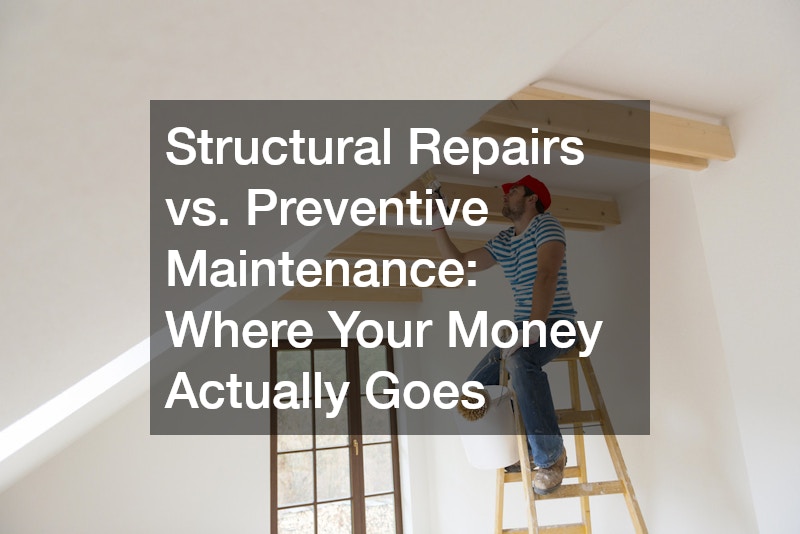

Every homeowner eventually faces the same uncomfortable question: is this problem something I can prevent, or is it already a structural issue that requires major repair? Understanding the difference can save thousands of dollars, prevent safety hazards, and help you plan your home budget with confidence. This article breaks down where your money actually goes when you invest in upkeep versus repair, and how to recognize which category your next project falls into. By the end, you will have a clearer sense of how to prioritize spending and avoid costly surprises.
Understanding the Real Difference Between Repairs and Preventive Care
Preventive maintenance refers to the small, regular tasks that keep systems and structures functioning as designed, such as cleaning gutters, sealing cracks, or servicing equipment before it fails. Structural repairs, on the other hand, address damage that has already occurred and often threatens the safety or integrity of the home. The distinction matters because preventive work is typically inexpensive and predictable, while structural repairs tend to be expensive, urgent, and sometimes unavoidable once damage has progressed. Recognizing which category a problem falls into helps homeowners decide how quickly to act and how much to budget.
Many homeowners delay preventive tasks because they seem optional, only to discover later that the deferred maintenance turned into a major structural issue. A cracked driveway left unsealed can lead to water infiltration and foundation movement, for example. Preventive spending is almost always smaller than reactive spending, which is why understanding this relationship is the foundation of smart home budgeting.
Why a Professional Evaluation Should Come First

Before committing money to either category, it helps to get an objective assessment of your home’s current condition. Home inspectors are trained to identify early warning signs of structural stress, moisture intrusion, or system failure that an untrained eye might miss. A qualified inspector will check foundation cracks, roof flashing, attic ventilation, and plumbing connections, often using tools like moisture meters or infrared cameras to spot problems hidden behind walls.
Their reports typically separate cosmetic issues from genuine safety concerns, giving homeowners a clear roadmap for what needs immediate attention versus what can be scheduled for routine upkeep. A hairline crack in drywall, for instance, may simply need patching, while the same crack paired with sticking doors could signal foundation settlement.
Getting this evaluation before budgeting also protects you from overspending on the wrong priority. Many homeowners assume a leaky window is minor, only to learn later that trapped moisture has weakened the framing underneath. A professional report, usually costing a few hundred dollars, can save thousands by directing funds toward the repair that actually matters most.
- A full inspection typically covers foundation, roof, plumbing, electrical, and HVAC systems, often supplemented by checks on windows, insulation, and drainage
- Inspection reports often flag issues by urgency level (immediate safety concern, near-term repair, or monitor-and-maintain), helping prioritize spending
- Annual or biannual inspections catch small problems, like a hairline foundation crack or a slow roof leak, before they escalate into five-figure repairs
- Pre-purchase inspections reveal deferred maintenance a seller may not disclose, such as outdated wiring or a furnace nearing the end of its lifespan
- Many inspectors provide cost estimates alongside findings, giving homeowners a realistic budget range before committing to repairs
- Choosing a licensed, insured inspector with specialty certifications (like structural or HVAC-specific credentials) ensures the evaluation holds up if disputes arise later
The Roof: Your Home’s First Line of Defense
Roofing problems are a classic example of how preventive maintenance and structural repair intersect. A missing shingle or minor leak is a maintenance issue that costs relatively little to fix, but ignored long enough, it can lead to rotted decking, mold growth, and even ceiling collapse. Reputable roofing contractors recommend inspections at least once a year, especially after severe storms, to catch small vulnerabilities before water finds its way into the attic or walls. Waiting until water stains appear on the ceiling usually means the damage has already spread beyond the surface.
The cost difference between routine roof maintenance and full structural repair is significant, often ranging from a few hundred dollars for patchwork to tens of thousands for a full replacement with underlying structural fixes. Homeowners who schedule regular roof checkups tend to spend far less over the life of their home. Catching granule loss, flashing damage, or soft spots early keeps the roof functioning as a protective barrier rather than a liability.
Exterior Walls and Boundary Structures
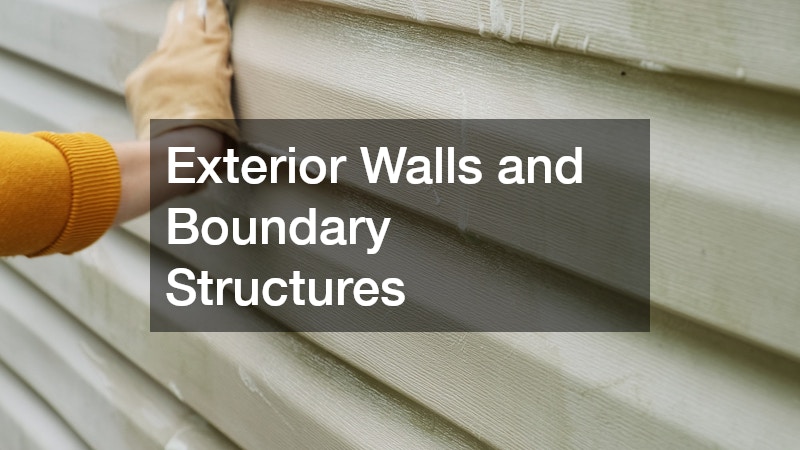
The outside of your home takes on constant exposure to weather, and both siding and fencing are common places where preventive care pays off. Experienced siding contractors often point out that small cracks, warping, or loose panels are early signs of moisture getting behind the exterior wall, which can eventually compromise the sheathing and framing underneath. Addressing these issues while they are still cosmetic is far cheaper than replacing rotted structural components later.
Fencing tends to get overlooked, but a leaning fence or rotting post can indicate soil movement or water pooling that may eventually affect nearby structures like sheds or decks. A qualified fence contractor can assess whether the issue is simple wear and tear or a sign of a larger drainage problem on the property. Addressing boundary structures early protects both curb appeal and the surrounding landscape.
- Check siding for cracks, discoloration, or bubbling every season
- Inspect fence posts for wobbling or soft, rotted wood
- Look for water pooling near fence lines or siding foundations
- Repaint or reseal exterior wood surfaces every few years to prevent decay
When Pests Become a Structural Problem
Pest damage is one of the most underestimated causes of structural repair costs. Termites, carpenter ants, and rodents can weaken wood framing, insulation, and even electrical wiring long before homeowners notice visible signs. Scheduling regular visits from local exterminators is a preventive measure that costs far less than replacing structural beams or rewiring damaged sections of a home. Early detection of pest activity often means the difference between a simple treatment and a full remediation project.
- Termite damage often goes unnoticed until wood becomes soft or hollow-sounding
- Rodents can chew through wiring, creating fire hazards
- Annual pest inspections are especially important in humid or wooded areas
- Prompt treatment prevents pests from migrating into structural framing
Electrical Systems: Safety Now or Costly Repairs Later
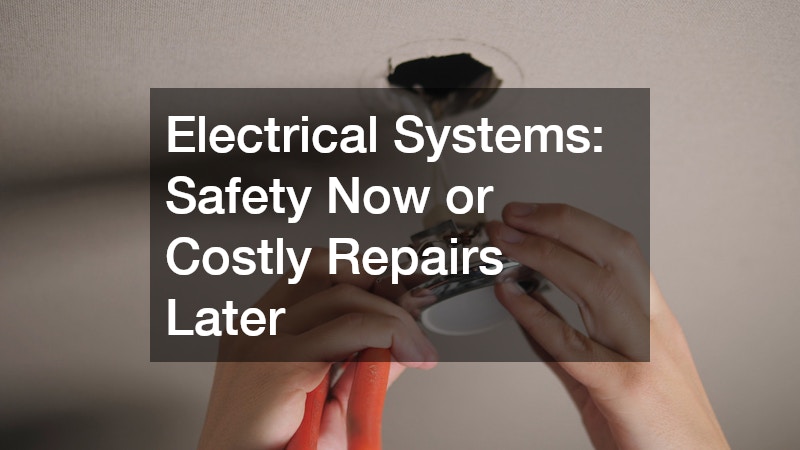
Electrical issues rarely announce themselves loudly until something fails, which is why preventive attention matters so much here. Flickering lights, warm outlets, frequent breaker trips, or a faint burning smell near switches are signs that a system may be overloaded or outdated. None of these symptoms should be dismissed as quirks of an old house—they’re early warnings worth acting on.
In many older homes, electrical panel upgrades are necessary not just for convenience but for basic safety. Panels installed 30 or 40 years ago were typically rated for 60 to 100 amps, while modern households running HVAC systems, electric vehicle chargers, and multiple high-draw appliances often need 150 to 200 amps to operate safely.
Beyond the panel itself, aging wiring, ungrounded outlets, and outdated fuse boxes compound the risk, especially in homes built before the 1970s. A qualified electrician can typically assess these issues during an inspection costing a few hundred dollars. Addressing this proactively prevents the far more expensive and dangerous scenario of electrical fires, appliance damage, or complete system failure that can run into the tens of thousands of dollars.
Upgrading an electrical panel typically runs $1,300 to $4,000 depending on amperage and whether your home needs a jump from 100-amp to 200-amp service, a moderate investment compared to the potential cost of fire damage or having to rewire an entire home after a failure. Warning signs that shouldn’t be ignored include frequently tripped breakers, warm outlets, flickering lights, or a panel still using outdated fuses instead of circuit breakers. Homes older than 40 years, or those with additions like hot tubs, EV chargers, or workshops, are especially likely to be running past their panel’s safe capacity.
Homeowners who plan for this upgrade during a renovation or as part of routine home maintenance often find it easier to budget for than an emergency replacement, which can cost significantly more when it involves after-hours electricians or damage from an actual fire or outage. Scheduling the work alongside other renovations, such as a kitchen remodel or basement finish, also means the walls are already open, which can reduce labor costs tied to accessing wiring.
It also tends to increase home value and improve insurance eligibility, since many insurers now flag homes with outdated fuse boxes, aluminum wiring, or panels from brands linked to known fire hazards, sometimes denying coverage outright or charging higher premiums. A documented panel upgrade, especially one performed by a licensed electrician with permits pulled, can serve as proof of a safer electrical system during a home sale or insurance renewal. That paperwork alone can shave weeks off closing timelines when buyers’ lenders require electrical inspections.
Plumbing Issues That Signal Bigger Trouble
Plumbing problems often start small, a slow drip, a slight discoloration in water, or a minor drop in water pressure. Left unaddressed, these small issues can lead to pipe bursts, water damage, and even foundation problems if water seeps into the soil beneath a home. Calling a plumber at the first sign of trouble is almost always cheaper than dealing with the aftermath of a major leak that has already damaged flooring, drywall, or structural framing.
- Watch for unexplained increases in water bills, which often indicate hidden leaks
- Address slow drains before they become full blockages
- Replace aging pipes before they corrode and burst
- Schedule annual inspections of water heaters and main lines
Heating and Cooling: Maintenance Versus Replacement
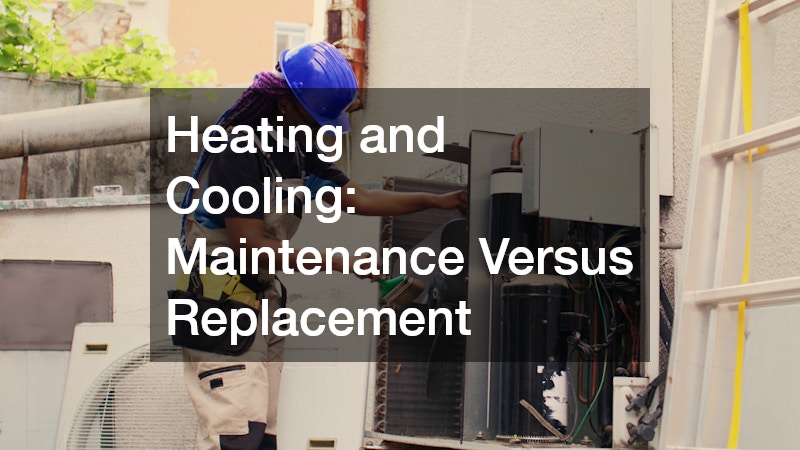
HVAC systems are another area where preventive care directly affects long-term costs. Routine filter changes, coil cleaning, and seasonal tune-ups keep systems running efficiently and extend their lifespan. When a system does start to fail, timely ac repair services can often resolve the issue before it requires a full system replacement, which is a significantly larger expense. Ignoring strange noises, weak airflow, or rising energy bills usually leads to a bigger repair bill down the road.
Preventive HVAC maintenance also protects indoor air quality and prevents strain on ductwork and electrical components tied to the system. A well-maintained unit typically lasts years longer than one that only receives attention after breaking down. Budgeting for seasonal checkups is a small price compared to emergency replacement costs.
Specialized Facilities and Unique Structural Demands
Not all structural considerations apply only to standard homes. Facilities like clinics, care centers, and specialized housing often require stricter building standards, and medical construction projects must meet specific codes related to accessibility, sanitation, and equipment support. These aren’t minor details—reinforced flooring may be needed to support imaging equipment weighing several thousand pounds, while HVAC systems often require specialized filtration to meet infection control standards.
Accessibility requirements add another layer of complexity. ADA compliance dictates hallway widths, doorway clearances, and bathroom configurations, and retrofitting an older building to meet these standards can cost significantly more than building to code from the start. Backup power systems are another common requirement, since many medical facilities need generators capable of sustaining critical equipment during outages.
Property owners managing these types of buildings need to factor in both preventive maintenance schedules and structural repair budgets that account for these heightened requirements. A missed inspection on a fire suppression system or an aging electrical panel isn’t just a maintenance headache in these settings—it can trigger licensing violations or shut down operations entirely.
Understanding these standards helps avoid costly compliance issues down the line, and it’s often worth consulting with contractors who have direct experience in healthcare or institutional construction. General contractors unfamiliar with these codes may overlook requirements that only become apparent during an inspection, leading to expensive rework.
Building a Long Term Maintenance and Repair Budget
The smartest way to manage home expenses is to treat preventive maintenance as a recurring line item rather than an occasional afterthought. Setting aside a modest monthly amount for inspections, tune-ups, and small repairs prevents the financial shock of an unexpected structural failure. Experienced roofing contractors, plumbers, and other specialists often note that homeowners who maintain consistent upkeep schedules spend significantly less over a ten-year period than those who wait for emergencies.
- Set aside 1 to 3 percent of your home’s value annually for maintenance
- Keep a running log of inspections and repairs for future reference
- Prioritize systems most likely to cause secondary damage, like roofing and plumbing
- Reassess your budget after major weather events or system age milestones
Knowing the difference between preventive maintenance and structural repair gives you the power to make informed, cost-effective decisions about your home. Small, consistent investments in upkeep almost always cost less than waiting for a system or structure to fail completely. Start by scheduling a professional evaluation of your home’s current condition, then build a maintenance calendar around the areas most vulnerable to wear. Taking action now protects both your budget and your peace of mind for years to come.