
Every year you postpone a renovation, you are not just delaying an upgrade, you are quietly paying a hidden tax made up of rising material costs, worsening damage, and lost comfort. What looks like a small crack, an aging unit, or a dated kitchen today can snowball into a five-figure emergency next year. Homeowners often wait for the perfect financial moment, but that moment rarely arrives while problems continue to compound in the background.
Understanding exactly what waiting costs, room by room and system by system, can help you decide whether this really is the year to act.
Rising Material and Labor Costs Erode Your Budget
Construction materials and skilled labor have both climbed steadily in price over the past several years, and there is little indication that trend will reverse. A renovation budgeted at a certain number today could realistically cost ten to fifteen percent more twelve months from now, simply due to inflation in lumber, fixtures, and appliances. Labor shortages in many trades also mean that scheduling a project further out often means paying a premium for availability. Waiting rarely buys you a better price; it usually buys you a smaller renovation for the same money.
Beyond raw materials, permit fees and code requirements tend to tighten over time, which can add unexpected costs to projects that seem straightforward today. Remodeling contractors frequently note that clients who delay a project by even one season end up cutting corners elsewhere to stay within their original budget. That might mean choosing lower-grade cabinetry or skipping a feature that would have added real value to the home. The longer you wait, the more your original vision may need to shrink to fit rising costs.
Aging Electrical Systems Become Safety Liabilities

Electrical systems do not fail all at once; they degrade gradually through worn insulation, overloaded circuits, and outdated panels that were never designed for today’s appliance load. A flickering light or a warm outlet cover might seem minor, but these are often early warning signs of a bigger issue building behind the walls. The longer these signs go unaddressed, the higher the risk of an electrical fire or a costly system-wide failure. Homes over thirty years old are especially prone to this kind of gradual breakdown.
Bringing in a licensed electrician for an inspection before a renovation, rather than after a failure, gives you the chance to fix problems on your own timeline instead of during an emergency. Waiting another year often means paying for both the original fix and the damage caused by delay, such as scorched wiring or a fried appliance. An inspection typically costs far less than emergency repair work, making it one of the more affordable steps you can take now.
- Frequent tripped breakers or flickering lights
- Discolored or warm outlet covers
- A panel still using fuses instead of breakers
- Buzzing sounds coming from switches or outlets
Struggling HVAC Units Cost More to Run Every Season
An aging heating and cooling system loses efficiency slowly, which means your utility bills creep upward without an obvious single cause. Many homeowners do not realize how much they are overpaying each month until they compare their bills to a neighbor with a newer, properly sized system. AC companies often point out that units over twelve to fifteen years old can lose twenty percent or more of their original efficiency, quietly costing you hundreds of dollars a year. Replacing or upgrading this system is rarely urgent in the way a burst pipe is, which is exactly why it keeps getting pushed to next year.
The real cost of waiting shows up twice, once in higher monthly bills and again in a larger repair bill when the unit finally fails during the hottest or coldest week of the year. Emergency replacements also tend to cost more because there is no time to shop around or plan financing. Scheduling an evaluation during a renovation, when walls and ductwork are already exposed, is often the most cost-effective time to address these issues.
Small Roof Problems Turn Into Major Structural Damage
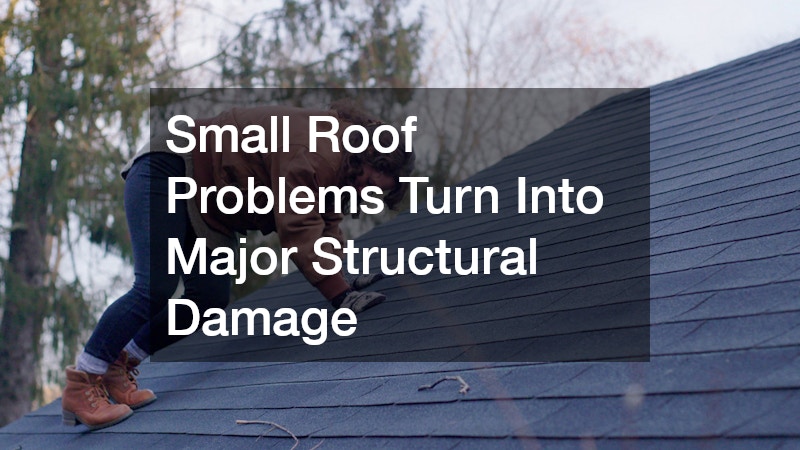
A roof rarely fails without warning, but the warning signs are easy to overlook from the ground. Missing shingles, small leaks, or sagging sections often get dismissed as cosmetic until water finds its way into the attic insulation or ceiling drywall. Once moisture penetrates that far, you are no longer looking at a simple patch job but a repair that may involve mold remediation and structural repair. A local roofing company can typically spot these early indicators during a routine inspection long before they become an emergency.
The financial gap between a minor roof repair and a full roof replacement caused by prolonged water damage is significant, often multiplying the original cost several times over. Insurance companies are also increasingly scrutinizing roof age and condition, and some policies will not cover damage tied to a roof that was clearly neglected. Addressing roofing concerns as part of a broader renovation timeline protects both your home’s structure and your insurance standing.
Overgrown Trees Threaten Your Roof and Foundation
Trees and large shrubs planted decades ago often outgrow their original placement, with branches now hanging over rooflines and roots pushing toward foundations. Overhanging limbs can scrape shingles during every windstorm, wearing down roofing material years before its natural lifespan ends. Roots growing too close to a foundation can also contribute to the kind of soil movement that leads to cracks and shifting. Regular tree trimming services help manage this risk before it turns into a structural or roofing problem.
Waiting to address overgrown landscaping often means the eventual removal or trimming job becomes more expensive, since larger, more established branches require more equipment and expertise to handle safely. A storm can also turn a manageable trimming job into an emergency tree removal after a limb comes down on the house. Pairing a landscaping review with your renovation planning is a practical way to catch this before it becomes a bigger expense.
Foundation Cracks Rarely Stay the Same Size

Foundation issues are one of the clearest examples of a problem that only gets worse with time. A hairline crack today can widen as seasonal soil expansion and contraction continues to stress the structure, especially in regions with significant temperature swings or clay-heavy soil. What starts as a cosmetic concern can eventually affect door frames, window seals, and even the levelness of your floors. Catching this early through foundation repair is almost always less invasive and less expensive than addressing it after significant shifting has occurred.
Homeowners sometimes delay foundation work because it is not visible day to day and does not affect comfort the way a broken air conditioner does. But foundation problems compound quietly, and by the time cracks are visible on interior walls, the underlying issue has often been developing for years. Renovation season is a natural time to have a professional assess your foundation, since many other structural repairs depend on a stable base.
Outdated Plumbing Increases the Risk of Water Damage
Old galvanized or polybutylene pipes are ticking time bombs in many older homes, prone to corrosion, reduced water pressure, and sudden ruptures. A slow leak behind a wall can go unnoticed for months, quietly damaging drywall, flooring, and insulation while your water bill creeps upward. Plumbing contractors frequently encounter homeowners who only discover the extent of hidden damage after a renovation project opens up the walls. By then, what could have been a simple pipe replacement has turned into a full remediation project.
Water damage is also one of the leading causes of mold growth, which introduces both a health concern and an additional remediation cost that was never part of the original renovation budget. Replacing aging plumbing during a planned renovation is significantly cheaper than an emergency call after a pipe bursts overnight. Waiting another year gives corrosion more time to spread through a system that was likely already near the end of its usable life.
A Failing Garage Door Puts Your Home and Family at Risk
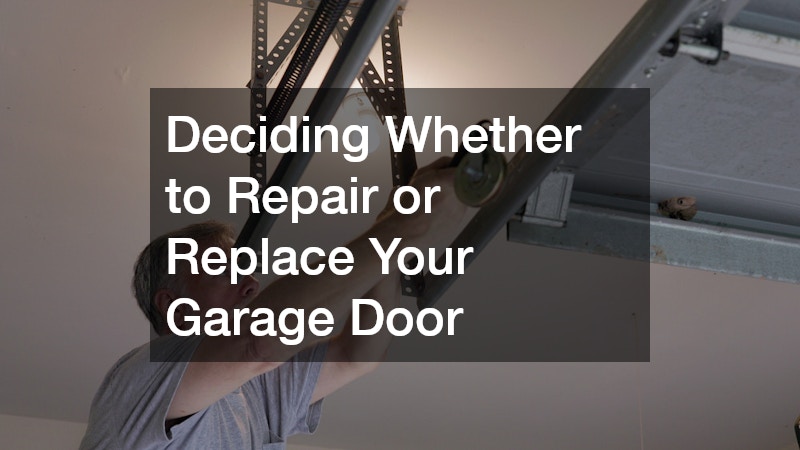
The garage door is one of the largest moving mechanical components in most homes, yet it rarely gets attention until it stops working altogether. Worn springs, frayed cables, and failing sensors are safety hazards that can lead to the door falling unexpectedly or failing to detect an obstruction. A garage door replacement addresses not just the cosmetic wear but also outdated safety features that newer models include as standard. Waiting until a full failure often means dealing with an inoperable door at the least convenient time, whether that is during a storm or right before you need to leave for work.
Beyond safety, an old, poorly insulated garage door can also affect the temperature of any attached living space, making adjacent rooms harder and more expensive to heat or cool. Pairing a door upgrade with interior improvements like new garage cabinets makes sense during the same renovation window, since both projects benefit from the space being cleared out and reorganized. Tackling these updates together also means less disruption overall, since you are not opening up the same space twice for separate projects.
Delayed Outdoor Living Projects Limit Your Home’s Usable Space
An unfinished or nonexistent patio means lost living space for a significant part of the year, particularly in climates with a long mild season. Every spring and summer spent without a functional outdoor area is time your household can’t use for entertaining, dining, or simply relaxing outside — space that a finished basement or extra bedroom can’t replace.
Homeowners who keep postponing outdoor improvements often find that the cost of decking, pavers, and outdoor kitchen components rises right alongside indoor renovation costs. Composite decking, natural stone, and stainless steel appliances are all subject to the same material inflation and supply chain pressures affecting the rest of the construction industry, so waiting a year can easily add hundreds or thousands of dollars to the final bill.
A patio builder can often combine site work with other exterior projects already underway, such as foundation grading or drainage corrections, saving money by avoiding duplicate excavation. Grading equipment, permits, and crew scheduling can frequently be shared across projects when they’re planned together, which cuts down on mobilization fees and site restoration costs.
Delaying this project independently, rather than as part of a coordinated renovation, usually means paying for site prep twice. It also often means re-landscaping twice, since freshly seeded lawns or new plantings around a home’s foundation may need to be disturbed again once the patio project finally moves forward.
Outdoor living spaces also tend to offer strong returns when it comes time to sell, since buyers increasingly view a functional patio or outdoor entertaining area as a near-essential feature rather than a luxury. According to industry cost-versus-value reports, projects like wood deck additions and patio installations frequently recoup 50-80% of their cost at resale, often outperforming several interior remodels. That return only materializes if the space is actually built, so every year of delay is a year the equity-building potential sits untapped.
The longer you wait, the more likely you are to miss an entire season of use, whether that is summer barbecues, morning coffee outside, or fall evenings around a fire pit. Outdoor construction is also seasonally dependent in most climates, meaning a delay of even a few months can push the project past the ideal building window and into next year entirely. Missing that window doesn’t just cost you enjoyment; it can mean paying premium rates during a contractor’s busiest season instead of locking in better pricing during shoulder months.
Scheduling this work alongside other renovations lets contractors coordinate timelines efficiently, rather than treating each project as an isolated event. For example, combining a patio build with a kitchen remodel allows for shared trenching for utilities, coordinated concrete pours, and a single mobilization of heavy equipment instead of two. This kind of bundling can reduce overall labor costs and shorten total downtime, since crews aren’t packing up and remobilizing for a separate project down the road.
Final Thoughts
The true price of waiting another year to renovate is rarely just about money, though the financial cost alone is often reason enough to act. It is about compounding risk, from electrical hazards to foundation shifts, that only becomes more expensive and more disruptive the longer it goes unaddressed. Walking through your home this week and honestly assessing your roof, plumbing, HVAC system, and structural elements is a practical first step toward avoiding next year’s emergency. The best time to renovate is rarely a perfect moment that magically appears, it is the moment you decide the cost of waiting has finally outweighed the cost of starting.