
Owning a home means juggling a dozen invisible systems that quietly age every day, and most homeowners only notice them once something breaks. The problem is that some systems fail faster, cost more, and drain your budget sooner than others, catching families off guard with repair bills they never planned for. Knowing which systems tend to go first, and why, can help you budget smarter, prioritize maintenance, and avoid the financial shock of an emergency fix. This guide breaks down the home systems most likely to hit your wallet early and what you can do about each one.
Aging Electrical Panels and Wiring
Electrical systems are often the first thing to strain a household budget, especially in homes over 25 years old that were never updated for modern power demands. Overloaded panels, outdated wiring, and flickering lights are early warning signs that the system is struggling to keep up with today’s appliances and electronics. Ignoring these signs does not just risk a higher bill later, it also raises real safety concerns, including fire hazards.
Bringing in licensed electricians for a panel inspection every few years is one of the cheapest ways to catch problems before they become expensive emergencies. Many homeowners wait until an outlet stops working or a breaker trips repeatedly, but by then the underlying issue has often been building for months.
- Warm outlets or switch plates
- Frequent breaker trips
- Flickering or dimming lights
- Burning smell near the panel
- Buzzing sounds from outlets
Heating and Cooling Equipment Nearing End of Life
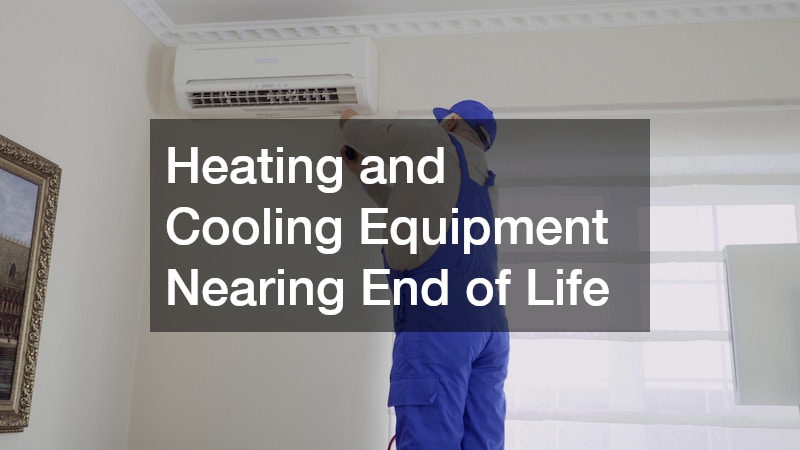
Heating and cooling equipment is one of the biggest single expenses in any home, and it rarely fails gracefully. Most systems last between 12 and 18 years, but lack of maintenance can shorten that lifespan considerably, leading to a surprise breakdown during the hottest or coldest week of the year. When a system finally quits, replacement costs can run into the thousands, making it one of the fastest budget drains homeowners face.
Scheduling an annual tune-up with a qualified HVAC contractor is the simplest way to extend the life of your equipment and catch small issues before they turn into full replacements. A good technician will check refrigerant levels, inspect ductwork, and clean components that quietly reduce efficiency when neglected. Skipping this step often means paying more in energy bills long before the unit actually fails.
Aging Sewer and Drain Lines
Plumbing problems tend to sneak up on homeowners because most pipes are hidden behind walls or under floors. Old cast iron or clay pipes can corrode or shift over time, leading to slow drains, backups, or even sewage leaks that damage flooring and drywall. These issues rarely stay small, and by the time water is visibly backing up, the damage is often already spreading.
Regular drain cleaning helps prevent the buildup of grease, hair, and debris that gradually narrows pipe diameter and causes slow flow. A professional camera inspection can also reveal cracks or root intrusion long before a full collapse forces an expensive dig-up. Catching these problems early is far cheaper than an emergency sewer line replacement.
- Gurgling sounds from drains
- Slow-draining sinks or tubs
- Sewage odor near drains
- Water pooling in the yard
- Multiple clogged fixtures at once
Roofing Materials Past Their Prime
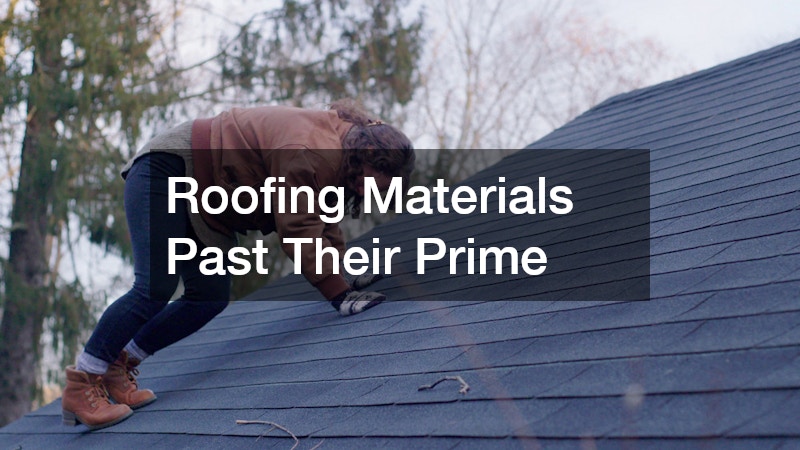
A roof is one of the most expensive systems to replace, and it is also one of the easiest to neglect because damage is not always visible from the ground. Shingles curl, flashing loosens, and small leaks can develop long before a homeowner notices water stains on the ceiling. Most asphalt shingle roofs last 20 to 25 years, but factors like poor attic ventilation, harsh sun exposure, and storm damage can shorten that lifespan considerably. Left unchecked, minor roof issues quickly become structural problems that affect insulation, attic framing, and even electrical wiring. A single missing shingle can let water seep into the decking, leading to rot that spreads across several rafters before it’s ever noticed. By the time stains appear on a ceiling, the damage has often been developing for months. Homeowners can catch trouble early by checking for granules collecting in gutters, daylight visible through attic boards, or a sagging roofline. A professional inspection every two to three years, or after a major storm, is far cheaper than an emergency replacement. Full roof replacements often run from $8,000 to $20,000 or more depending on materials and square footage, making prevention one of the highest-value investments a homeowner can make.
Roofing materials have a shelf life, and most homeowners don’t realize how close they are to that expiration date until water starts staining the ceiling. Asphalt shingles typically last 20-25 years, while wood shakes may only give you 15-20 years before curling, cracking, or losing their protective granules. Once a roof passes the 15-year mark, it’s worth paying closer attention, since repair frequency tends to climb sharply in those final years. Getting a professional roof estimate every few years, especially after major storms, gives homeowners a clear picture of remaining lifespan and potential repair costs. A qualified inspector can spot warning signs invisible from the ground, such as granule loss in the gutters, soft spots in the decking, or flashing that’s pulled away around chimneys and vents. This proactive step allows for better financial planning instead of scrambling to cover a sudden full replacement, which can run anywhere from $8,000 to $25,000 depending on materials and square footage. Many roofing issues, when caught early, can be patched for a fraction of the cost of a total overhaul. A few missing shingles or a resealed flashing joint might cost a few hundred dollars, compared to tens of thousands for a full tear-off and replacement. Setting aside a modest annual maintenance budget, and scheduling an inspection immediately after hailstorms or high winds, can mean the difference between a minor repair bill and a five-figure emergency.
Outdoor Living Structures and Attached Decks
Decks and patios take a beating from sun, rain, and temperature swings, and their structural integrity can degrade faster than most homeowners realize. Wood rot, loose railings, and weakened support posts are common problems that develop slowly but can become safety hazards if ignored. Because these structures are load-bearing and exposed to the elements year-round, they often need attention sooner than interior features.
Working with experienced deck builders for an inspection or repair can help homeowners understand whether a structure needs simple maintenance or a more significant rebuild. Catching rot in support beams early is far less expensive than replacing an entire collapsed structure. Regular sealing and staining also extends the life of the wood and reduces long-term costs.
Interior Flooring Wear and Subfloor Damage
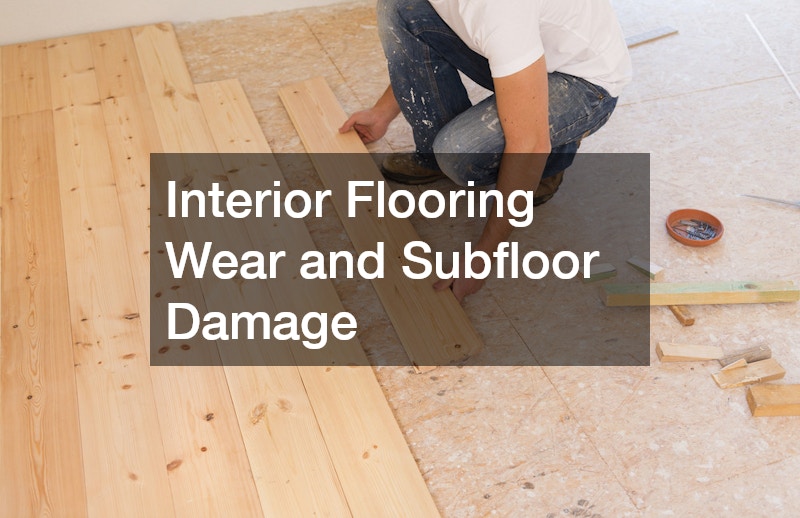
Flooring might seem like a cosmetic concern, but worn or damaged flooring often signals deeper issues, such as moisture problems or subfloor deterioration. Warped hardwood, lifting tile, or soft spots underfoot can indicate water damage that has been developing for months. If left unaddressed, these problems can spread to adjacent rooms and require far more extensive repairs.
Consulting flooring contractors early, rather than waiting for visible damage to worsen, can help homeowners identify the root cause before it spreads. In many cases, replacing flooring is only part of the fix, and the real cost comes from repairing the subfloor underneath. Addressing moisture sources first prevents the same problem from recurring after new flooring is installed.
Outdated Kitchens With Aging Appliances and Layouts
Kitchens are often the most expensive room in the house to update, but they are also one of the first areas where outdated systems start costing homeowners money through inefficiency. Old appliances consume more energy, worn countertops can harbor bacteria, and poor layouts waste both time and space. Because kitchens see daily heavy use, wear accumulates faster here than almost anywhere else in the home.
Working with a professional on kitchen design can help homeowners prioritize which upgrades offer the best return, whether that means new appliances, better storage, or improved workflow. Small changes like upgraded ventilation or updated electrical outlets can also prevent bigger problems down the road. Planning updates in phases can spread costs out instead of requiring one large renovation budget all at once.
Foundation Cracks and Structural Shifting
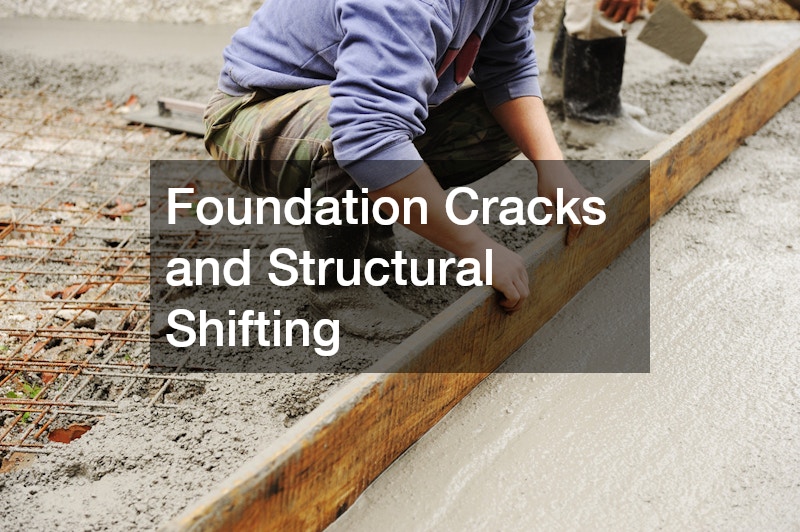
Few things drain a home budget faster than foundation problems, since they affect the structural integrity of the entire property. Soil movement, poor drainage, and seasonal freeze-thaw cycles can cause cracks, uneven floors, or doors that no longer close properly. Because foundation issues tend to worsen gradually, many homeowners underestimate how serious the problem has become until repair costs climb significantly.
Getting an evaluation for foundation repair as soon as cracks or shifting appear can prevent a manageable fix from becoming a five-figure project. Simple solutions like grading the yard away from the house or installing better drainage can sometimes stop the problem before it starts. Waiting too long, however, often means dealing with underpinning or extensive structural reinforcement later.
Yard Drainage, Grading, and Outdoor Hardscape Features
The land around a home plays a bigger role in long-term costs than most people expect, since poor grading and drainage can quietly damage a foundation, patio, or walkway over time. Water that pools near the house after every rainstorm is often a sign that the yard’s slope or hardscape needs adjustment. Experts generally recommend the ground slope away from the foundation at a rate of about 6 inches over the first 10 feet, and when that grade is missing or reversed, water has nowhere to go but toward the house. Left unaddressed, this runoff can erode soil, crack pavement, and even seep into basements, leading to mold, musty odors, and costly waterproofing repairs. A basement or crawlspace leak repair alone can run anywhere from a few hundred dollars for minor sealant work to several thousand for exterior excavation and membrane installation. Regrading a yard, by comparison, often costs less in the long run and prevents the problem at its source rather than treating the symptoms. Hardscape features like patios, walkways, and retaining walls add another layer of complexity. Concrete and pavers that were installed without proper base compaction or drainage channels tend to shift, heave, or sink within a few years, especially in areas with freeze-thaw cycles. Cracked or uneven surfaces aren’t just cosmetic; they create tripping hazards and can redirect water in ways that worsen erosion nearby. Simple fixes like extending downspouts, installing French drains, or adding a dry well can often intercept water before it becomes a bigger problem. For homes on sloped lots, a retaining wall paired with proper backfill and weep holes can prevent soil from washing out entirely. Catching these issues early, often for a few hundred dollars in materials and labor, is far cheaper than the thousands it can cost once water has already undermined a structure.
Poor yard drainage is one of the most overlooked threats to a home’s foundation, and the damage often builds slowly before it becomes an expensive emergency. Standing water near the foundation, soggy patches in the lawn, or soil that visibly slopes toward the house are all warning signs. A hardscaping contractor can assess whether retaining walls, French drains, or regraded slopes are needed to redirect water safely away from the home. The right fix depends on the specific problem. French drains work well for chronic wet spots and subsurface water, while retaining walls are better suited for sloped lots where soil erosion threatens to shift toward the foundation. Regrading, which involves reshaping the yard so it slopes away from the house at roughly a 5% grade, is often the most cost-effective first step and can prevent the need for more invasive drainage systems later. Thoughtful landscape design that incorporates proper drainage not only protects the house but also improves curb appeal and usability of the outdoor space. Features like dry creek beds, permeable pavers, and strategically placed plantings can double as functional drainage solutions while enhancing the yard’s appearance. These upgrades also add resale value, since buyers are often wary of homes with visible water pooling or erosion issues. Investing in these improvements early is almost always cheaper than repairing water damage after the fact. A French drain installation might cost a few thousand dollars, but foundation repairs from prolonged water exposure can run into the tens of thousands. Addressing drainage proactively protects both the structure of the home and the long-term value of the property.
Every home system ages on its own timeline, but electrical, plumbing, roofing, HVAC, and structural issues tend to demand attention first, often with the highest costs attached. Staying ahead of these systems through regular inspections and timely repairs is the most reliable way to protect your budget. Rather than waiting for a breakdown, take stock of your home’s biggest systems this season and address small warning signs before they become expensive emergencies.