

Summer electric bills that climb higher every year are not just annoying, they are a sign that your home is fighting a losing battle against heat gain. Passive cooling design works with your home’s structure, orientation, and materials to keep interior temperatures down before your air conditioner ever has to kick on. The strategies below range from simple landscaping changes to bigger structural upgrades, and together they can permanently reduce how hard your cooling system has to work. Whether you are building new or retrofitting an older home, understanding these approaches will help you make smarter decisions about where to invest first.
Roof Materials and Reflective Coatings That Cut Heat Gain
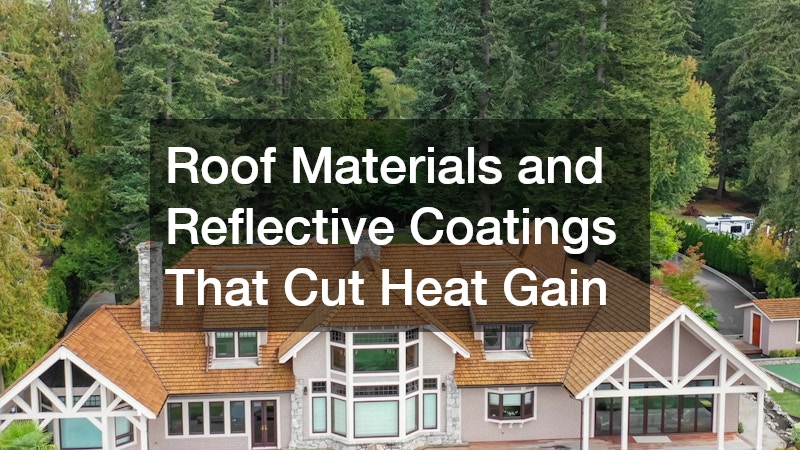
Your roof absorbs more direct sunlight than any other surface on your home, which means it is often the single biggest source of unwanted heat transfer into your living space. Switching to lighter-colored or reflective roofing materials can lower attic temperatures by twenty to forty degrees compared to dark asphalt shingles. Metal roofing with reflective pigments, cool clay tiles, and specially coated membranes all reduce the amount of solar energy your home absorbs throughout the day.
Because this is a significant investment, it pays to consult with residential roofing contractors who understand solar reflectance index ratings and can recommend materials suited to your climate zone. A qualified contractor will also check that your attic ventilation is adequate, since reflective materials work best when paired with proper airflow underneath them.
- Ask about Energy Star rated roofing products for tax credit eligibility
- Request the solar reflectance index and thermal emittance values for any material quoted
- Consider a cool roof coating as a lower-cost option for existing shingles or metal roofs
- Confirm attic insulation levels before assuming a new roof alone will solve heat gain
Exterior Wall Coatings and Reflective Finishes
Walls that face west and south absorb enormous amounts of heat in the afternoon, especially on homes with dark siding or masonry exteriors. One increasingly popular solution is electrostatic painting, a process that applies an electrically charged coating evenly across a surface, allowing for a durable, uniform finish that includes reflective or heat-resistant pigments. This method is often used on metal siding, railings, and trim because it bonds more tightly than traditional spray painting and resists chipping over time.
Homeowners considering this option should know that electrostatic painting works best on metal and certain composite surfaces, so it is not a universal fix for every exterior material. Pairing a reflective exterior finish with proper attic and wall insulation multiplies the cooling benefit, since you are addressing both the surface temperature and the heat that manages to get through.
- Best suited for metal siding, gutters, fences, and trim work
- Reflective pigments can lower surface temperature by a noticeable margin
- Finish tends to last longer than standard brush or roller application
- Should be combined with insulation upgrades for full effect
Strategic Tree Placement and Shade Structures

Well-placed trees and shrubs act as a natural sunscreen for your home, blocking direct radiation before it ever reaches your windows or walls. Deciduous trees planted on the south and west sides provide dense shade in summer while dropping their leaves in winter to let sunlight warm the home when you actually want it. This single strategy can reduce surrounding air temperature by several degrees and cut surface heat on nearby walls dramatically.
Many homeowners underestimate how much planning this requires, which is why working with experienced backyard landscapers can make a real difference in plant selection and placement. A good landscaper will consider mature tree size, root spread near your foundation, and how shade patterns shift throughout the day and across seasons.
- Plant fast-growing shade trees on the west side for afternoon sun blocking
- Use trellises or pergolas with climbing vines for near-instant shade on patios
- Keep large trees at least fifteen feet from the foundation to avoid root damage
- Consider evergreen windbreaks on the north side to block cold winter wind too
Window Placement and High Performance Glazing
Windows are frequently the weakest link in a home’s thermal envelope, letting in far more heat per square foot than a solid wall. Low emissivity coatings, double or triple pane glass, and gas fills between panes all reduce how much solar radiation passes through into your living space. Orientation matters just as much as glass quality, since west-facing windows in particular receive intense low-angle afternoon sun that is difficult to block with overhangs alone.
If you are noticing warped frames, foggy glass, or difficulty opening and closing your patio or balcony doors, it is worth calling sliding door repair companies before assuming a full replacement is necessary. Sometimes resealing or replacing worn weatherstripping restores both function and energy efficiency at a fraction of the cost of new doors. Properly sealed sliding glass doors prevent both air leakage and unwanted solar heat gain around the frame edges.
- Look for a U-factor below 0.30 and a solar heat gain coefficient below 0.25 for hot climates
- Add external shading like awnings or solar screens on west-facing glass
- Check weatherstripping annually since it degrades faster on frequently used doors
- Consider tinted or reflective films as a budget alternative to full window replacement
Attic and Wall Insulation Upgrades
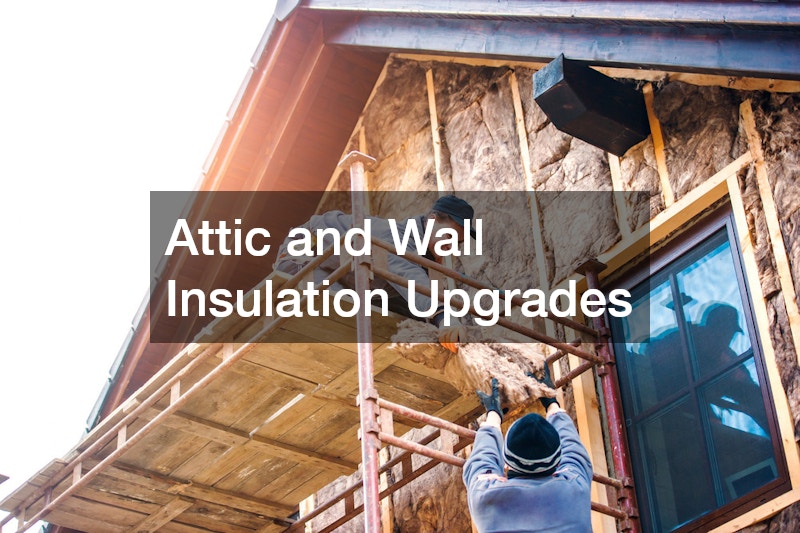
Insulation does more than keep winter heat in, it also slows the transfer of summer heat into your living space, which directly reduces how often your cooling system needs to run. Older homes are frequently under-insulated by modern standards, especially in attics where heat naturally accumulates before radiating down into upper floors. Adding blown-in cellulose or spray foam to reach recommended R-values for your climate zone is one of the most cost-effective passive cooling upgrades available.
Insulation should be evaluated alongside air sealing, since gaps around wiring, plumbing penetrations, and recessed lighting let conditioned air escape regardless of how thick your insulation is. A home energy audit can pinpoint exactly where these losses are occurring before you spend money on materials that will not perform to their full potential.
- Aim for attic insulation levels between R-38 and R-60 depending on your region
- Seal recessed lighting fixtures and attic hatches, common sources of air leakage
- Consider radiant barrier sheathing under roof decking for additional reflected heat control
- Insulate ductwork running through unconditioned attic spaces
Cross Ventilation and Natural Airflow Design
Positioning windows and doors to encourage cross ventilation allows natural breezes to flush hot air out of your home without mechanical assistance. This works best when you have openings on opposite or adjacent walls that create a clear path for air to move through the house rather than getting trapped in a single room. Ceiling fans, transom windows, and even strategically opened interior doors can dramatically improve how effectively passive airflow cools a space.
Homes with an outdoor living area near an in ground pool often benefit from this design approach because the water surface cools passing air before it enters the home through nearby windows or doors. This evaporative effect, combined with shade from surrounding landscaping, can noticeably lower the temperature of air moving indoors on hot afternoons. Positioning operable windows near these outdoor water features maximizes this natural cooling benefit.
- Open windows on opposite sides of the home during cooler morning and evening hours
- Use ceiling fans to move air even when windows are closed for security
- Install transom or clerestory windows to let hot air escape near ceiling level
- Take advantage of evaporative cooling from nearby water features when breezes align
Siding Materials and Exterior Insulation Choices
The material covering your home’s exterior walls affects both how much heat is absorbed and how well that heat is blocked from reaching the interior. Insulated vinyl, fiber cement, and certain engineered wood products now come with built-in foam backing that adds an extra layer of thermal resistance beyond what the material alone provides. Lighter colors reflect more solar radiation, which matters significantly for homes in hot, sunny climates.
When it is time to replace aging or damaged exterior cladding, working with reputable siding companies ensures the installation includes proper house wrap and continuous insulation, not just new panels over old problems. Ask specifically about the products’ R-value contribution and how installation practices affect long-term performance, since poor installation can undermine even the best materials.
- Choose lighter color palettes for siding in hot or sun-intensive climates
- Ask about insulated siding options that add R-value beyond the material itself
- Confirm proper house wrap and moisture barrier installation during replacement
- Inspect for gaps or warping annually since these compromise thermal performance
Moisture Control and Foundation Drainage Systems
Excess moisture around your foundation does not just risk structural damage, it also raises humidity levels indoors, forcing your cooling system to work harder to remove that moisture from the air. A properly functioning drainage system keeps groundwater away from your foundation and basement, which helps maintain lower, more manageable indoor humidity throughout warmer months. Homes with basements or crawl spaces are particularly vulnerable to this hidden strain on cooling efficiency.
If your basement has flooded in the past or you notice a musty smell after heavy rain, scheduling sump pump repair promptly prevents small issues from becoming much larger moisture problems. In more serious cases where flooding has already caused damage, contacting water restoration companies quickly limits mold growth and the lingering humidity that comes with saturated building materials. Addressing these issues protects both your home’s structure and your cooling system’s ability to operate efficiently.
- Test your sump pump before the start of each rainy season
- Watch for musty odors or visible dampness as early warning signs
- Ensure gutters and downspouts direct water at least six feet from the foundation
- Address flooding damage quickly to prevent long-term humidity and mold issues
Home Layout Changes and Structural Renovations for Better Airflow
Sometimes achieving effective passive cooling requires more than surface-level changes, particularly in older homes with compartmentalized layouts that block natural airflow. Removing a non-structural interior wall to open up a floor plan can dramatically improve how air circulates between rooms, reducing hot spots that force your system to overcompensate. This kind of renovation also creates opportunities to reposition windows or add new openings that support better cross ventilation.
Before starting any structural changes, it is worth consulting demolition contractors who can assess which walls are load-bearing and handle the removal safely and up to code. A professional assessment protects you from costly mistakes and ensures the renovation actually achieves the airflow improvements you are hoping for, rather than creating new structural problems.
- Identify load-bearing walls before planning any layout changes
- Prioritize opening up spaces on the home’s hottest exposures first
- Combine layout changes with new window placement for maximum airflow benefit
- Budget for proper cleanup and debris removal as part of the renovation cost
Evaluating Your Current Cooling System’s Long Term Role
Even with excellent passive cooling design, most homes in hot climates still benefit from some mechanical cooling backup, especially during extreme heat waves. The goal is not necessarily eliminating air conditioning entirely but rather right-sizing it so it runs less often and less intensely, extending its lifespan and lowering monthly costs. If your current system is old, oversized, or poorly matched to your now more efficient home, it may be running far less efficiently than a modern alternative would.
When the time comes for AC replacement, choosing a properly sized unit based on your home’s new, lower cooling load prevents the common mistake of installing a system built for a home that no longer needs that much capacity. A qualified technician can perform a load calculation that accounts for your upgraded insulation, windows, and shading to recommend the right size system for long-term efficiency.
- Request a Manual J load calculation rather than relying on the old system’s size
- Ask about variable-speed or two-stage systems that adjust output to actual need
- Consider the long-term savings of a smaller, more efficient unit over a larger one
- Time replacement to coincide with other passive cooling upgrades for maximum benefit
Passive cooling is not a single fix but a combination of smart choices that compound over time, from the roof over your head to the drainage around your foundation. Start with the upgrades that address your home’s biggest heat sources first, whether that is an aging roof, single-pane windows, or poor attic insulation, and build from there. Each improvement reduces the burden on your cooling system, saving money and extending equipment life while making your home more comfortable year-round. Take stock of your home’s specific weak points today, and tackle them one project at a time rather than waiting for another brutal summer to force the issue.