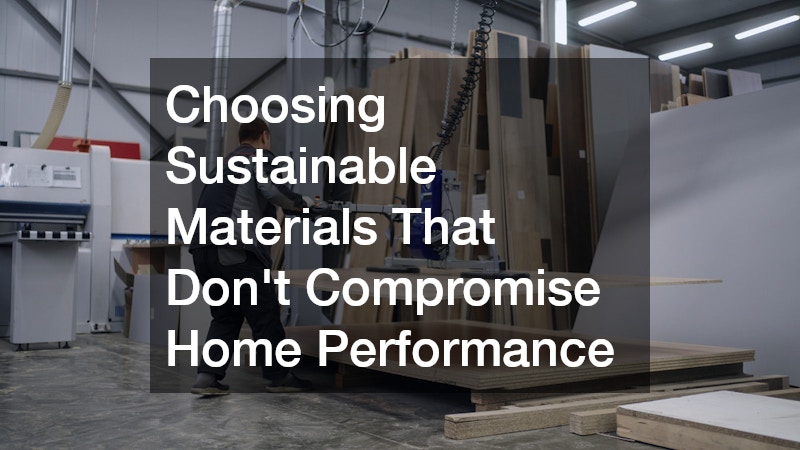

Building or renovating a home with the environment in mind no longer means settling for weaker materials or a less comfortable house. Today’s sustainable options are engineered to match, and often exceed, the durability and efficiency of conventional products. The challenge is knowing which green choices actually perform well over time and which ones are more marketing than substance.
This guide walks through the major systems of a home, from the ground up, so you can make choices that are good for the planet and good for your wallet.
Grading and Site Preparation Before You Build
Sustainable building starts before the first wall goes up, with how the land itself is handled. Removing trees, brush, and debris in a way that protects topsoil and existing root systems sets the stage for better drainage and less erosion later. Many homeowners underestimate how much site work affects long-term water management around the foundation.
Working with experienced land clearing businesses that understand selective clearing rather than clear-cutting everything can preserve mature trees that provide natural shade and reduce cooling costs. Ask about their approach to soil disturbance and whether they can salvage cleared timber for reuse rather than sending it to a landfill.
- Request a site assessment before clearing to identify trees worth preserving
- Ask how cleared vegetation and stumps will be disposed of or repurposed
- Confirm erosion control measures will be in place before grading begins
- Inquire about topsoil preservation for future landscaping needs
Sourcing Structural and Framing Products

The bones of your home have a bigger environmental footprint than most people realize, since framing lumber, insulation, and sheathing make up a huge volume of what goes into construction. Choosing responsibly harvested wood, recycled steel framing, or engineered lumber made from fast-growing species can cut down on deforestation impact without sacrificing structural integrity. These products are tested to the same building codes as conventional materials, so strength is not a trade-off.
When shopping for building materials, look for third-party certifications rather than taking vague “eco-friendly” labels at face value. Certifications from organizations like the Forest Stewardship Council or products with recycled content percentages listed on their spec sheets give you something concrete to compare. A knowledgeable supplier should be able to walk you through the environmental data sheet for any product you’re considering.
- Look for FSC or SFI certification on lumber products
- Ask about recycled steel content in structural framing
- Consider insulated concrete forms for energy efficiency and durability
- Request environmental product declarations from suppliers when available
Roofing Systems That Last Decades
A roof is one of the biggest single investments in a home, and choosing the wrong material can mean redoing the job in fifteen years instead of forty. Metal roofing, recycled shingle products, and cool-roof coatings reflect heat and reduce attic temperatures, which lowers the strain on your cooling system. Many of these products are also highly recyclable at the end of their lifespan, unlike traditional asphalt shingles that often end up in landfills.
A reputable roofing contractor can explain the real-world performance differences between materials in your specific climate, since a product that excels in a dry, sunny region may not be the best fit somewhere with heavy snow or humidity. Ask for the expected lifespan, warranty terms, and maintenance requirements before committing, and get references from homeowners who installed the same product several years ago.
- Metal roofing can last 40 to 70 years with minimal maintenance
- Cool roof coatings can reduce attic temperatures significantly in summer
- Recycled rubber and composite shingles offer durability with lower environmental impact
- Ask about manufacturer take-back or recycling programs at end of life
Flooring Materials for Durability and Air Quality
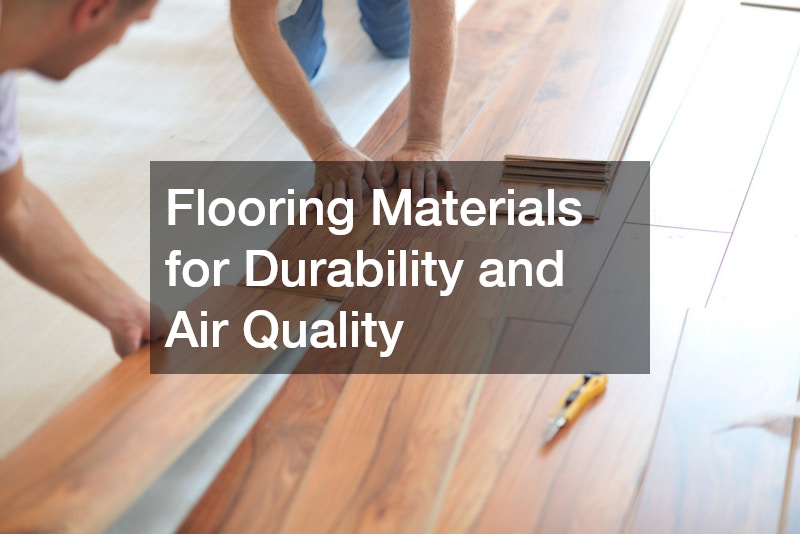
Flooring choices affect both the health of your indoor air and how long you’ll live with the results before needing a replacement. Bamboo, reclaimed hardwood, and cork are popular sustainable options, but their performance varies widely depending on quality and finish. Low-VOC finishes matter just as much as the base material, since off-gassing from adhesives and sealants can undermine the health benefits of an otherwise green product.
A professional floor installation team can help you understand how a given material will hold up against moisture, foot traffic, and pets, which are practical concerns that often get overlooked when people focus only on the material’s origin. Ask installers about subfloor preparation too, since even the best sustainable flooring will fail prematurely if it’s laid over an uneven or moisture-prone surface.
- Bamboo flooring is highly renewable but varies in hardness by manufacturing process
- Reclaimed wood offers character and reduces demand for newly harvested timber
- Cork provides natural insulation and is comfortable underfoot
- Confirm low-VOC adhesives and finishes are used during installation
Cabinetry and Millwork With a Lower Footprint
Kitchens and bathrooms generate a surprising amount of construction waste, largely because cabinetry is often replaced long before it wears out simply due to style changes. Choosing well-built cabinets made from sustainably sourced wood or recycled composite materials means you’re less likely to need a full replacement in a decade. Look for formaldehyde-free construction, since many composite wood products off-gas chemicals that affect indoor air quality for years.
Quality joinery and solid hardware also extend the life of cabinetry far beyond cheaper mass-produced versions, which matters more for sustainability than the raw material alone. A cabinet box built to last thirty years with replaceable doors and fronts is often a better environmental choice than a trendy but flimsy option that ends up in a landfill within five years.
- Look for formaldehyde-free or low-emission particleboard and plywood
- Ask about FSC-certified wood species for cabinet boxes and doors
- Prioritize solid hinges and drawer slides rated for high cycle counts
- Consider refacing existing cabinet boxes instead of full replacement when possible
Driveways, Walkways, and Permeable Surfaces

Hardscaping is an area where sustainable choices can directly reduce stormwater runoff and local flooding, which is a benefit that goes beyond the property line. Traditional impervious surfaces send rain rushing into storm drains, picking up oil, fertilizer, and debris along the way and channeling it straight into local waterways. Permeable pavers, recycled aggregate, and pervious concrete instead allow water to filter through into the ground, where soil and gravel beds naturally filter out pollutants before they reach the water table. These materials have come a long way in strength and durability. Permeable interlocking concrete pavers, for example, are rated for residential driveways and even light commercial traffic when installed over a properly compacted gravel base, typically 8 to 12 inches deep depending on soil conditions and local frost lines.
Pervious concrete works similarly, using a mix with little to no sand that leaves open pore space for water to pass through at rates of several gallons per minute per square foot. Recycled aggregate, often crushed concrete or reclaimed asphalt, offers a lower-cost, lower-carbon option for walkways and secondary driveways while still providing good drainage and load support. Homeowners should factor in a few practical considerations before choosing: permeable surfaces generally need periodic vacuuming or pressure washing to prevent sediment and debris from clogging pore spaces, and they may require a specialized contractor familiar with proper base preparation, since a poorly built sub-base is the most common cause of failure. In regions with heavy freeze-thaw cycles, an open-graded base is especially important to prevent ice heaving and surface cracking.
When it comes to permeable pavers, permeable interlocking concrete pavers, and pervious concrete, the base is what makes or breaks the system—literally. Instead of the solid, compacted subgrade used for standard asphalt or poured concrete driveways, permeable systems require an open-graded aggregate base, typically 6 to 12 inches deep, that allows water to pass through while still supporting vehicle loads. An experienced paving contractor will know these requirements differ significantly from conventional paving and will size the base according to your soil type, drainage needs, and local rainfall patterns. Improper base compaction is the most common reason permeable surfaces fail early, leading to rutting, standing water, or shifting pavers within a few years of installation.
Before signing a contract, ask detailed questions about their process: What aggregate size will they use? How will they verify compaction? Do they test infiltration rates once the base is in place? It’s also worth asking about long-term maintenance, since permeable surfaces need periodic vacuuming or pressure washing to keep pores from clogging with sediment. A reputable contractor should be able to explain their warranty terms clearly, including what’s covered if drainage performance declines over time.
- Permeable pavers reduce runoff and can ease pressure on municipal drainage systems, sometimes qualifying homeowners for stormwater fee discounts
- Recycled concrete aggregate (RCA) is a durable, lower-impact base material that performs comparably to virgin gravel
- Ask about freeze-thaw performance if you live in a cold climate, since some porous surfaces are more prone to cracking or heaving after repeated cycles
- Confirm maintenance needs, since some permeable surfaces require periodic vacuuming or pressure washing to prevent pore clogging
- Consider permeable concrete or porous asphalt as alternatives to pavers, both of which allow water infiltration while offering a more traditional appearance
- Check local codes, as some municipalities offer incentives or rebates for permeable driveway installations
Fencing Choices for Longevity and Recyclability
Fencing is another exterior feature where material choice affects both upkeep and environmental impact over the life of the product. Wood fencing requires regular staining or sealing and eventually rots, while recycled composite materials resist warping and insects with far less maintenance. Metal fencing, particularly options made from recycled content, can also last decades with minimal upkeep.
Many chain link fence companies now offer coated or galvanized products made with a significant percentage of recycled steel, which combines durability with a smaller environmental footprint than producing new raw materials. If you’re comparing quotes, ask directly about the recycled content of the metal and the expected lifespan of the coating before it needs touch-up or replacement.
- Recycled composite fencing resists rot, warping, and insect damage
- Galvanized or coated steel fencing can last 20 years or more
- Ask about recycled steel content when comparing fencing quotes
- Consider reclaimed wood for a rustic fence with a smaller sourcing footprint
Heating and Cooling Equipment That Cuts Energy Use
Even the greenest building shell will underperform if it’s paired with inefficient mechanical systems, so heating and cooling equipment deserves just as much attention as materials. High-efficiency heat pumps, variable-speed systems, and smart thermostats can dramatically cut energy consumption compared to older equipment. Proper sizing matters enormously here, since an oversized or undersized system wastes energy no matter how efficient its rated performance is.
Reliable HVAC services should include a load calculation for your specific home rather than simply replacing old equipment with a same-sized unit, since older systems were often oversized to begin with. Ask your technician about SEER2 and HSPF2 ratings, and don’t overlook ductwork sealing, since leaky ducts can waste a large share of conditioned air before it ever reaches a room.
- Request a Manual J load calculation before replacing heating or cooling equipment
- Look for ENERGY STAR certified heat pumps and air conditioners
- Ask about duct sealing and insulation as part of any installation
- Consider a smart thermostat to reduce unnecessary run time
Water Efficiency and Plumbing Fixture Upgrades
Water conservation is often overlooked in sustainability conversations that focus heavily on energy, but fixture and pipe choices matter just as much for a home’s overall footprint. Low-flow fixtures, tankless water heaters, and PEX piping systems reduce both water waste and the energy needed to heat it. Tankless units in particular eliminate the standby energy loss of traditional tank heaters, which can add up significantly over a year.
Licensed plumbers can also identify leaks and outdated fixtures during a routine inspection that homeowners might never notice on their own, since small drips behind walls can waste thousands of gallons annually. When upgrading, ask about WaterSense-labeled fixtures, which are independently tested to reduce water use without sacrificing pressure or performance.
- WaterSense-labeled fixtures reduce water use by roughly 20 percent compared to standard models
- Tankless water heaters eliminate standby heat loss common in tank systems
- PEX piping resists corrosion and is easier to install with less material waste
- Schedule periodic leak inspections to catch hidden water loss early
Garage Doors Built for Insulation and Durability
The garage door is one of the largest moving parts on a home’s exterior, and an uninsulated door can be a significant source of heat loss, especially in homes with living space above or adjacent to the garage. Modern insulated doors made from recycled steel or composite materials offer strong R-values while standing up to dents and weather better than older wood models. Choosing a well-insulated door also reduces the strain on any HVAC ductwork that runs through or near the garage space.
A knowledgeable garage door company can help you compare insulation ratings and recycled material content across different price points, since not all “insulated” doors perform the same in real-world conditions. Ask about the core material, weatherstripping quality, and warranty terms, since these details affect both energy performance and how long the door will last before needing replacement.
- Insulated garage doors can significantly reduce heat transfer in attached garages
- Look for recycled steel or composite panel construction for durability
- Compare R-values across models rather than assuming all insulated doors perform equally
- Check weatherstripping quality, since gaps undermine insulation value over time
Conclusion
Building a genuinely sustainable home comes down to research, asking the right questions, and prioritizing performance data over marketing claims. Every system in your home, from the roof to the driveway to the garage door, offers an opportunity to choose materials that last longer and use fewer resources without sacrificing comfort. Start with the upgrades that matter most for your climate and budget, get multiple quotes from qualified professionals, and don’t hesitate to ask for certifications and performance ratings in writing. Small, well-researched decisions across each system add up to a home that performs beautifully for decades to come.