

Rising summer temperatures and climbing utility bills have many homeowners rethinking how their houses handle heat. Rather than relying entirely on mechanical cooling, smart design choices around your home’s exterior, layout, and materials can dramatically reduce indoor temperatures before the air conditioner even kicks on. From shaded outdoor living areas to reflective roofing and strategic landscaping, small changes add up to real energy savings. This guide walks through practical, proven strategies for designing a home that stays cooler naturally, so your cooling system works less and your wallet feels the difference.
Choose Outdoor Surfaces That Reflect Heat Instead of Absorbing It
The materials surrounding your home play a bigger role in indoor temperature than most people realize. Dark asphalt and traditional concrete absorb solar energy throughout the day and radiate that heat well into the evening, warming the air near windows and doors. Lighter-colored, textured alternatives like stamped concrete reflect more sunlight and stay noticeably cooler to the touch, making patios and walkways more comfortable while reducing the heat bouncing toward your home’s exterior walls.
Beyond temperature control, stamped concrete offers design flexibility that mimics brick, stone, or tile without the higher cost, so homeowners don’t have to sacrifice curb appeal for efficiency. When planning a patio replacement or driveway upgrade, ask about lighter pigment options specifically because darker stains will undercut the heat-reflecting benefits you’re trying to achieve.
Upgrade Exterior Wall Coverings for Better Insulation
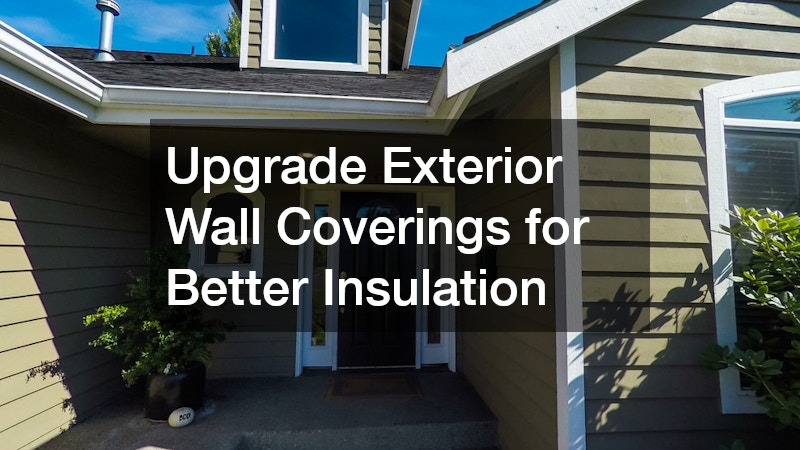
Walls exposed to direct afternoon sun can transfer significant heat indoors, especially in older homes with thin or deteriorating siding. In some cases, exterior surface temperatures can climb 20 to 40 degrees hotter than the surrounding air, and that heat doesn’t stay outside for long—it radiates through the wall assembly and into living spaces within a few hours. Working with experienced stucco contractors to install or repair a stucco exterior adds a layer of thermal mass that slows this heat transfer, keeping interior walls cooler during peak sun hours. Traditional three-coat stucco systems, in particular, offer greater density than vinyl or fiber-cement siding, which means heat takes longer to migrate through the wall and interior temperatures stay more consistent even as outdoor conditions swing. Stucco’s breathable, dense composition also helps regulate humidity, which contributes to a more stable indoor climate year-round. Because it allows moisture vapor to escape rather than trapping it within the wall cavity, stucco reduces the risk of mold growth and material degradation that can quietly undermine a home’s insulation performance over time. Homeowners considering this upgrade should also factor in color and finish choices, since lighter, reflective tones reduce solar absorption further, while a well-maintained stucco exterior can last 50 years or more with only minor recoating needed along the way.
A properly applied stucco finish can last 50 years or more with minimal maintenance, making it a long-term investment rather than a quick fix. Traditional three-coat stucco systems, in particular, hold up well against harsh weather when installed correctly by an experienced contractor. Homeowners in hot, dry climates especially benefit from this wall treatment since it resists cracking under intense sun exposure better than many alternative sidings like vinyl, which can warp or fade after years of UV exposure. Stucco’s dense, cement-based composition also gives it natural thermal mass, meaning it absorbs heat slowly during the day and releases it gradually after sundown, helping to buffer indoor temperatures. Lighter stucco colors amplify this effect further by reflecting more solar radiation than darker shades, which can reduce heat absorption into the wall assembly. For added performance, pairing stucco with a rigid foam insulation layer beneath the finish coat can boost the wall’s overall R-value significantly, sometimes by R-4 to R-6 depending on thickness. Homeowners should also budget for occasional resealing every 8 to 10 years to prevent moisture infiltration, especially in areas prone to seasonal storms or high humidity swings.
Select Kitchen Surfaces That Don’t Trap Heat

Kitchens generate a surprising amount of ambient heat from appliances, cooking, and sunlight through nearby windows, so the materials you choose for work surfaces matter more than most homeowners consider. Certain kitchen countertops made from quartz or granite stay cooler to the touch and don’t retain heat the way laminate or dark wood surfaces can, helping the whole kitchen feel less stuffy during summer cooking. Granite, being a natural stone, conducts heat away from its surface quickly, so a hot pan set down briefly won’t leave the surrounding area feeling warm for long. Quartz, an engineered material, offers similar thermal performance while adding better resistance to staining and scratching, making it a popular choice for busy kitchens. Color and finish also play a bigger role than many realize. Light-colored countertops, such as white or pale gray quartz, reflect more radiant heat than dark granite or soapstone, which absorb it and can feel noticeably warmer under direct sun. A honed or matte finish tends to disperse heat more evenly across the surface than a high-gloss polish, which can create hot spots near stovetops. These materials also resist warping from heat exposure, which extends their usable life significantly. Unlike laminate, which can bubble or discolor when repeatedly exposed to temperatures above 150°F, quartz and granite maintain their structural integrity even near ranges and ovens for decades. That durability translates into fewer replacements over time, making the upfront cost easier to justify for homeowners focused on long-term energy efficiency and comfort.
Kitchen surfaces do more than set the style of a room—they absorb, hold, and radiate heat depending on their material and color. Dark granite, black quartz, and matte concrete counters can reach surface temperatures noticeably higher than lighter alternatives when exposed to direct sun, and that stored heat lingers into the evening, working against your cooling system. Choosing pale quartz, honed marble, or light-toned butcher block instead helps counters stay closer to ambient room temperature throughout the day. When remodeling, positioning countertops away from direct afternoon light or pairing them with a shaded window treatment—like a solar shade or a deep overhang—reduces the heat load even further. This is especially worth considering for west-facing kitchens, where low-angle afternoon sun hits surfaces directly for hours. Even a simple café curtain or adjustable blind can cut significant solar gain on exposed counters and islands. Light-colored stone surfaces reflect more ambient light too, which can reduce how much artificial lighting you need during the day, indirectly cutting down on additional heat generated by bulbs and fixtures. Pairing reflective countertops with matte or satin-finish backsplashes, rather than high-gloss tile, further tempers glare while still bouncing usable daylight around the room. Over time, these material choices add up to a kitchen that feels cooler to the touch and demands less from your air conditioning.
Replace Aging Fences With Materials That Support Airflow
Solid, tall fencing can block beneficial breezes from reaching your yard and home exterior, trapping stagnant hot air close to windows and doors. Many homeowners are switching to vinyl fencing with spaced or lattice-style panels that maintain privacy while still allowing air to circulate through the property. Unlike wood, vinyl fencing doesn’t absorb and hold heat the same way, so it stays cooler and won’t radiate warmth back toward the house after sunset.
- Choose lighter fence colors to minimize heat absorption
- Look for panel styles with small gaps or decorative cutouts for airflow
- Position fencing to avoid blocking prevailing summer breezes
- Consider vinyl’s low maintenance compared to wood staining and sealing
Refresh Interior Flooring to Support a Cooler Indoor Climate

Flooring affects indoor temperature more than many homeowners expect, since certain materials retain heat while others stay naturally cool underfoot. This has to do with thermal mass and conductivity: dense materials like tile and stone pull heat away from your skin quickly, creating that refreshing cool sensation, while soft, insulating materials hold warmth close to the surface. Porcelain tile, for instance, can feel 8 to 10 degrees cooler than carpet in the same room simply because of how efficiently it conducts heat away from your feet. Tile and natural stone flooring dissipate heat quickly and feel cool even on warm days, while thick carpeting tends to trap warmth and can make rooms feel stuffier. Polished concrete and large-format porcelain tiles perform especially well in high-traffic, sun-exposed rooms like kitchens and entryways, since their density helps absorb ambient heat during the day. Engineered hardwood sits in the middle of the spectrum, offering a warmer look than stone while still outperforming carpet in heat retention. Visiting a flooring store to compare samples under different lighting conditions helps you gauge how a material will actually perform in your specific rooms. Ask staff at the flooring store about thermal conductivity ratings and whether specific tile or stone options are rated for radiant cooling systems, since some materials pair better than others with these setups. It’s also worth bringing a small sample home to test against a sun-facing window for a day or two, since real-world exposure often reveals differences that showroom lighting can’t fully capture.
Ask flooring specialists about thermal conductivity ratings if you’re serious about energy efficiency, since some engineered materials are specifically designed to stay cooler in warm climates. Porcelain and ceramic tile, for instance, conduct heat away from the surface quickly and rarely hold warmth the way carpet or dark-stained hardwood does. Polished concrete and natural stone like travertine or slate offer similar benefits, staying cool to the touch even when sunlight hits them directly. Replacing heat-trapping flooring in sun-drenched rooms, like a south-facing living room, can make a noticeable difference in how quickly that space heats up during the day. Lighter-colored flooring is worth prioritizing too, since darker surfaces absorb more solar radiation and can radiate that heat back into the room well into the evening. If a full replacement isn’t in the budget, consider a partial swap in the highest-exposure areas, such as under large west-facing windows or in a sunroom, where heat buildup tends to be worst. Pair the new flooring with area rugs that can be rolled up seasonally, giving you cooling performance in summer without sacrificing warmth or comfort underfoot during colder months.
Keep Your Cooling System Running at Peak Efficiency

Even the best-designed home still relies on mechanical cooling during extreme heat, which makes routine maintenance essential. Scheduling air conditioning repair before summer’s peak ensures refrigerant levels, ductwork, and components are functioning properly, preventing your system from overworking and driving up energy bills. A unit that’s low on refrigerant or has a clogged filter has to run longer to reach the same temperature, undermining all the passive cooling improvements you’ve made elsewhere. A pre-season tune-up typically covers a handful of checkpoints that homeowners often overlook: cleaning or replacing air filters, checking refrigerant charge, inspecting coils for dirt buildup, and testing thermostat calibration. Dirty evaporator or condenser coils alone can reduce cooling efficiency by 5 to 10 percent, forcing the compressor to work harder for the same result. Catching these issues early, rather than after a breakdown in July, can mean the difference between a minor adjustment and a costly emergency repair. Ductwork deserves particular attention, since leaks or disconnected sections can waste 20 to 30 percent of conditioned air before it ever reaches a room. Sealing gaps with mastic or metal tape, and insulating ducts that run through attics or crawl spaces, keeps cooled air where it belongs. Combined with a properly sized unit for your square footage, these fixes ensure your HVAC system complements rather than compensates for your home’s design. Finally, consider setting a recurring maintenance schedule rather than waiting for problems to surface. Most manufacturers recommend professional servicing at least once a year, ideally in early spring, so technicians can address wear and tear before demand spikes. This proactive approach protects both your comfort and the investment you’ve made in energy-efficient design.
Scheduling a professional tune-up once a year, ideally in early spring before the first heatwave hits, gives a technician time to inspect refrigerant levels, clean the condenser coils, and test electrical connections before your system is under real strain. These checkups catch small issues, like worn belts, failing capacitors, or a slow refrigerant leak, before they turn into costly breakdowns during the hottest week of summer. A capacitor that costs $150 to replace during a routine visit can easily become a $1,500 emergency call plus a ruined weekend if it fails when temperatures hit 100 degrees. Between professional visits, a few homeowner habits go a long way. Swapping out air filters every one to three months keeps airflow strong and prevents the system from overworking to push air through clogged mesh. Clearing leaves, grass clippings, and debris away from the outdoor condenser unit, keeping at least two feet of clearance on all sides, helps it dissipate heat efficiently instead of trapping it near the coils. It’s also worth having a technician check your system’s overall sizing and ductwork during a maintenance visit. An oversized unit cycles on and off too frequently, wasting energy and struggling to control humidity, while leaky ducts can lose 20 to 30 percent of cooled air before it ever reaches your rooms. Combining a well-maintained air conditioner with the natural cooling strategies covered throughout this guide creates a home that stays comfortable without constant mechanical strain.
Consider Zone-Based Systems for Targeted Temperature Control
Traditional central air conditioning cools an entire house uniformly, even when only a few rooms are actually in use, wasting energy in the process. A ductless heat pump allows homeowners to condition individual rooms or zones independently, so you’re not cooling empty bedrooms or rarely used spaces. This targeted approach can significantly lower overall energy consumption, especially in homes with additions, converted garages, or rooms that traditionally run hotter than the rest of the house.
Installation is generally less invasive than adding new ductwork, since these systems use small wall-mounted units connected to an outdoor compressor. Many homeowners pair a ductless heat pump with existing central air to handle problem areas like sunrooms or upper-floor bedrooms that never seem to cool down efficiently.
Design Landscaping That Naturally Shades Your Home
Strategic tree and shrub placement remains one of the most cost-effective ways to lower a home’s exposure to direct sun. Consulting with landscaping companies about planting deciduous trees on the south and west sides of your property provides dense shade in summer while allowing sunlight through in winter after leaves drop. This seasonal shift helps balance cooling needs in summer with passive solar warmth during colder months. The placement details matter as much as the species you choose. Trees planted 15 to 20 feet from the house typically shade windows and walls without letting roots interfere with the foundation, while west-facing windows benefit most since they absorb the harshest late-afternoon sun. Fast-growing varieties like red maples or hackberries offer noticeable shade within five to seven years, while slower-growing oaks pay off decades later with sturdier, longer-lasting canopy coverage. Shrubs and vine-covered trellises add another layer of protection at a lower cost. Planting dense shrubs along a home’s foundation can shade lower walls and reduce heat radiating into the house, while a trellis with climbing vines near a patio or south-facing wall creates shade without blocking summer breezes. Many landscaping companies can also recommend native, drought-tolerant species suited to your climate zone, which cuts down on watering needs while still delivering effective shade coverage. Finally, consider how mature tree height and canopy spread interact with your roofline and utility lines before planting. A well-placed tree can lower a home’s cooling costs by 15 to 35 percent, but poor placement may mean added pruning costs or even removal down the road.
- Plant deciduous shade trees (oaks, maples, or sycamores) 15-20 feet from the house so mature canopies shade the roof and west/east walls without roots damaging the foundation
- Prioritize the west and east sides of the home, where low-angle morning and afternoon sun causes the most heat gain
- Use shrubs, trellises, or climbing vines near ground-level windows to block direct sun while still allowing airflow
- Choose native, drought-tolerant plant species suited to your climate zone to cut watering needs and upkeep
- Keep all plantings at least 3-5 feet from the exterior walls to prevent moisture buildup, pest infestations, and siding damage
- Consider seasonal timing: deciduous trees shade in summer and drop leaves to let winter sun warm the home
Inspect and Improve Your Roof’s Heat Resistance
The roof absorbs more direct sunlight than almost any other part of the house, making its condition and material choice critical to overall temperature control. A qualified roofer can recommend reflective or light-colored roofing materials that reduce heat absorption, along with proper attic ventilation to release trapped hot air before it seeps into living spaces. Aging or damaged shingles can also compromise insulation, letting more heat penetrate into the attic and upper floors.
Scheduling a roof inspection every few years helps catch small problems, like curling shingles or ventilation blockages, before they escalate into bigger energy losses. Reflective roof coatings are also worth asking about, since they can be applied to existing roofing in many cases without a full replacement, offering a budget-friendly boost to your home’s heat resistance.
Use Window Treatments to Block Direct Solar Heat
Windows are often the weakest point in a home’s thermal envelope, letting in significant solar heat during peak afternoon hours. Installing window shades designed for heat reduction, particularly cellular or reflective styles, can block a substantial portion of solar heat gain before it ever reaches your living space. Pairing these shades with strategic operation, closing them during peak sun and opening them once the sun shifts, maximizes their effectiveness without sacrificing natural light entirely.
Homeowners often underestimate how much of a difference simple window coverings make compared to more expensive structural changes. Combining quality shades with reflective window films offers an affordable, renter-friendly option for those not ready to invest in full window replacement.
Designing a home that cools naturally isn’t about a single upgrade, it’s about layering smart choices across your landscaping, exterior materials, and interior finishes so your cooling system has less work to do. Start with the changes that fit your budget and current renovation plans, whether that’s shading strategy, roofing improvements, or simply better window coverings, and build from there. Small, consistent investments in heat-reducing design pay off through lower energy bills and a noticeably more comfortable home all summer long.