
Renovating an entire property is an exciting venture that promises to turn an existing house into a personalized dream home. However, the sheer volume of choices and tasks can quickly become overwhelming for many property owners. Without a clear, logical plan, a major property transformation can easily devolve into a chaotic series of scheduling conflicts, wasted materials, and unexpected expenses. Executing projects in the wrong order frequently leads to situations where beautiful new finishes must be torn out to fix underlying issues that should have been addressed first. To avoid these costly mistakes, a systematic, step-by-step approach is absolutely vital.
A successful transformation requires looking at the property as a complete, interconnected system rather than a collection of isolated rooms. This means understanding how changes in one area can directly influence the climate, stability, and utility of another section. By establishing a master schedule that moves methodically from the structural core to the final decorative details, homeowners can protect their financial investment and ensure a smooth construction process. Navigating this complex process becomes significantly more manageable when working with comprehensive home remodeling services that understand how to orchestrate multiple trades seamlessly. With the right roadmap, the path to a fully renewed property becomes a rewarding experience that yields lasting value and comfort for everyone living inside. Proper execution ensures that no effort is duplicated and every single stage flows logically into the next, maximizing both time and budget efficiency throughout the duration of the build.
Establishing a Rock-Solid Base

Every successful renovation project must begin with a thorough evaluation of the property’s structural health. Attempting to install new flooring, hang fresh drywall, or replace cabinetry in a house that is shifting or settling is a recipe for disaster. Minor structural movements can cause brand new walls to crack, doors to stick in their frames, and expensive tile work to fracture. Therefore, the very first step in the sequence involves addressing any issues with the lowest point of the house. Property owners need to look carefully for warning signs such as deep cracks in the concrete basement walls, uneven floors that lean to one side, or gaps around exterior door and window frames.
If any of these red flags are present, it is essential to contact a specialist who can perform a professional local foundation repair to stabilize the entire building before any other work begins. This initial phase ensures that the rest of the renovation rests on a completely secure and level base. Once the structural core is stabilized, workers can safely proceed with other heavy structural alterations, such as removing load-bearing walls to create open-concept living areas. Dealing with these heavy, dusty, and structurally sensitive tasks at the very beginning protects subsequent cosmetic investments from damage. It also provides the construction crew with a clear understanding of the building’s true condition, preventing unpleasant surprises later in the timeline. Investing time and resources into the base of the house might not offer immediate visual satisfaction, but it forms the essential backbone of the entire project, guaranteeing that every single upgrade made in the future remains safe and intact.
Securing the Exterior Envelope and Internal Systems
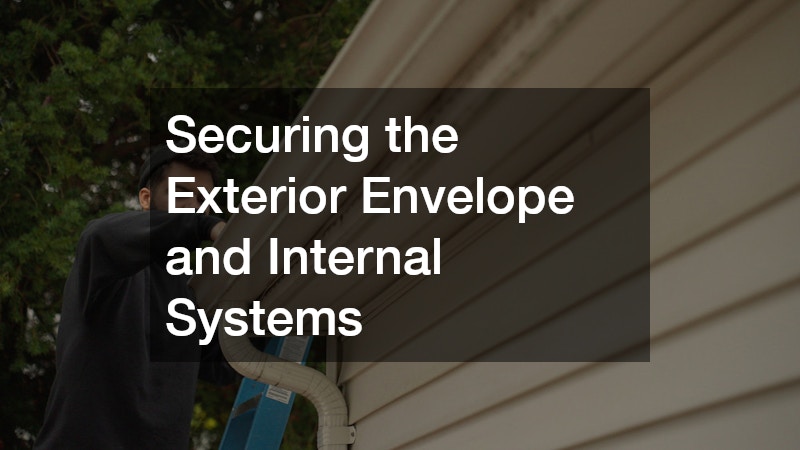
Once the building is structurally sound and level, the focus shifts to protecting the interior from the elements and upgrading the hidden mechanical systems. This stage is all about making the property completely weatherproof and updating the infrastructure that keeps the home running safely and efficiently. Work should begin on the exterior roof, siding, and water management systems to ensure that no moisture can penetrate the home during the interior phases. An essential part of this external protection plan involves installing an efficient system to divert rainwater away from the newly stabilized base.
Scheduling a professional seamless gutter installation during this phase prevents roof runoff from pooling near the ground and causing future structural moisture issues. With the exterior envelope completely sealed against rain and wind, the construction focus can safely transition to the interior walls. This is the precise moment to update the home’s primary mechanical systems, including plumbing lines, heating and cooling ducts, and electrical wiring. Contractors will pull back old drywall or work within open wall framing to replace outdated components with modern, code-compliant alternatives. Homeowners will need to hire certified electricians to run new circuits, upgrade the main breaker panel, and place outlets and switches in locations that match the modern lifestyle. Upgrading these hidden components while the walls are open saves an enormous amount of time and money, as it eliminates the need to cut into fresh plaster or paint later on. Having a reliable, safe electrical system and advanced climate controls ensures the home can comfortably support modern appliances and technology for decades to come.
Transforming the Culinary Heart of the Home
With the structural repairs finished, the exterior sealed, and the hidden mechanical systems fully updated, the renovation can finally move into the highly anticipated phase of interior living space transformations. It is best to start with the most complex, high-traffic room in the entire house: the kitchen. Because this area requires the most intensive coordination of plumbing, electrical wiring, and heavy cabinetry, it should always be prioritized over simpler rooms. A comprehensive kitchen remodeling project fundamentally changes how a household functions on a daily basis, making it a stellar investment.
This phase involves installing new custom cabinets, mounting durable countertops, and fitting modern appliances into their permanent locations. Selecting durable materials ensures the space handles daily wear and tear effortlessly. Because the rough-in electrical and plumbing work was already completed in the previous stage, the installation of sinks, ovens, and lighting fixtures can proceed smoothly without unexpected delays. Workers will also install new flooring throughout the space, ensuring it runs seamlessly beneath the cabinetry if required by the design layout. The kitchen often serves as the central hub of the modern home, where family members gather to cook, eat, and socialize. Transforming this space first allows the heavy construction dust, loud power tools, and constant foot traffic associated with major cabinet and counter installations to be cleared away before attention shifts to the rest of the house. Completing this major hurdle provides a massive boost in morale for the homeowners, as they can begin to see the true aesthetic potential of their fully updated property taking shape before their eyes.
Revitalizing Private Personal Spaces
After the kitchen is fully completed and sealed off to protect it from dust, the interior renovation moves to the secondary wet areas of the property. Bathrooms require a similar level of technical expertise and trade coordination, involving intricate plumbing, waterproofing, and detailed tiling work. Undertaking a comprehensive bathroom remodeling project at this point in the sequence ensures that any main water shut-offs or pipe adjustments do not interfere with the already finished kitchen systems. This phase focuses on removing old, worn tubs or showers and replacing them with modern, low-maintenance alternatives like walk-in showers or freestanding soaking tubs.
Proper waterproofing of the walls and floors is absolutely critical during this stage to prevent hidden mold, wood rot, and water damage down the line. Utilizing premium backer boards and high-quality sealants provides an extra layer of security. Workers will also install new vanities, toilets, faucets, and energy-efficient lighting fixtures to improve both the utility and the aesthetic appeal of the space. Because these rooms are generally smaller and more confined, the tiling and detail work can be meticulous and time-consuming. However, finishing these spaces immediately after the kitchen ensures that all major plumbing and heavy dust-producing interior work is entirely behind them. The home begins to feel cohesive as the design elements, color palettes, and fixture finishes in the bathrooms start to echo the style established in the culinary core. Homeowners can breathe a sigh of relief knowing that the most disruptive, utility-dependent portions of the interior renovation are now completely finished and ready for daily use.
Expanding the Living Area to the Outdoors

Once the interior living spaces are functional, beautiful, and clean, the renovation sequence transitions out the back door to maximize the property’s usable footprint. Expanding into the backyard allows homeowners to create magnificent spaces for entertaining, relaxing, and enjoying nature. The first major outdoor project to tackle is the construction of a solid, elevated platform for outdoor furniture and grilling equipment. Investing in a professional deck installation provides a smooth transition between the indoor living zones and the open backyard. This new platform effectively extends the home’s square footage during warm weather months.
This project requires careful planning to ensure the ledger board is securely fastened to the home’s framing and properly flashed to prevent water intrusion. While the carpenters are constructing the outdoor platform, attention must also be paid to the surrounding topography of the yard. Sloped properties or areas with shifting soil require structural interventions to create flat, usable patches of land and prevent erosion. Earth-moving crews can install sturdy retaining walls to hold back soil, manage natural water drainage, and create beautiful terraced levels in the garden. These structural blocks work in perfect harmony with the newly constructed platform, framing the outdoor living space and defining the different zones of the yard. Handling these heavy landscaping and wood construction tasks after the interior is complete ensures that workers do not accidentally track mud, dirt, or construction debris through a house that is still undergoing interior painting or flooring updates. It effectively separates the indoor and outdoor phases for maximum efficiency and cleanliness.
Cultivating Curb Appeal and Final Visual Details

With the major structural elements of both the interior and exterior fully established, the project enters its final aesthetic phase. This is where the property gains its ultimate curb appeal and internal polish, turning an active construction site into a warm, welcoming home. On the outside, the focus turns toward living elements and ground covers that tie the whole property together. Developing a comprehensive landscape design involves selecting the right mix of perennial flowers, lush shrubs, ornamental trees, and green sod that complement the architectural style of the house.
This phase also includes installing low-voltage garden lighting, laying down decorative mulch, and finishing pathways to connect the front yard to the backyard spaces neatly. As the outdoor greenery is planted and starts to settle, the final decorative elements can be introduced to the interior of the home. The very last step inside the house involves dressing the windows to manage sunlight, enhance privacy, and add a layer of soft texture to each room. Installing custom window blinds provides the perfect finishing touch, allowing the residents to control the ambiance, sunlight penetration, and temperature of their newly renovated spaces. This final task is kept for the absolute end of the renovation sequence to ensure that the delicate fabrics or materials do not collect heavy airborne construction dust from earlier phases. Once the window treatments are securely hung and the outside gardens are fully planted, the entire property achieves a harmonious, complete look that reflects careful planning and precise execution from top to bottom.
The Long-Term Value of a Structured Plan
Following a strict, logical timeline is the absolute secret to a successful whole-home transformation. By addressing the structural base first, securing the exterior shell, upgrading internal utilities, and then moving methodically through interior rooms to the outdoor spaces, property owners can avoid costly re-work and unnecessary stress. Each phase builds naturally upon the last, ensuring that every dollar spent is fully protected by a solid foundation and a weatherproof exterior. While it requires patience to delay the exciting cosmetic choices until the structural and mechanical elements are complete, the final result is a beautiful property that functions flawlessly and retains its value for generations.
Planning a comprehensive renovation in this exact sequence provides peace of mind, clear communication with contractors, and a smooth path toward creating the perfect home. Homeowners can rest easy knowing that their investments are built to endure, preserving both beauty and structural integrity over time. Ultimately, this meticulous sequence guarantees that the final product feels entirely unified, blending lasting functional upgrades with custom aesthetic flourishes that elevate the property into a true masterpiece of design and engineering. Property owners will find that the careful orchestration of projects pays off exponentially in daily convenience, long-term durability, and overall market value, validating every ounce of effort put into the master plan.