
Rising energy costs have a way of turning routine monthly bills into a source of real stress for homeowners. The good news is that many of the upgrades with the fastest payback periods are ones you can plan for and complete within the next two years, not decades from now. Instead of guessing which projects are worth the investment, it helps to look at the systems in your home that waste the most energy and money every single day. This guide breaks down practical, high-impact upgrades that lower utility bills while also improving comfort and home value.
Upgrade Your Heating and Cooling System for Efficiency
Your heating and cooling system is typically the single largest energy consumer in the home, and an aging or poorly maintained unit can quietly drive your bills up month after month. Units older than 12 to 15 years often run at a fraction of the efficiency of newer models, forcing them to work harder to reach the same temperature. Scheduling professional HVAC repair before small issues become major breakdowns is one of the most cost-effective ways to keep your system running efficiently. A well-maintained system not only uses less energy but also extends its own lifespan, delaying the cost of a full replacement.
Beyond repairs, simple habits can extend savings even further. Replacing air filters regularly, sealing duct leaks, and installing a programmable or smart thermostat all reduce strain on the system.
- Have a technician inspect refrigerant levels and coils annually
- Replace filters every one to three months depending on usage
- Seal visible duct leaks with mastic sealant or metal tape
- Consider a smart thermostat to automate temperature adjustments
Replace an Aging Roof to Stop Energy Loss

A roof does more than protect against rain and wind; it plays a major role in regulating indoor temperature. Damaged shingles, poor ventilation, or insufficient reflective coating can let heat escape in winter and pour in during summer, forcing your HVAC system to compensate. Bringing in experienced roofing contractors to assess the condition of your roof can reveal issues you might not notice from the ground, such as failing flashing or inadequate attic ventilation. Many roofing contractors now offer energy-efficient shingle options and cool-roof coatings designed specifically to reduce heat absorption.
A roof replacement is a bigger investment than most items on this list, but it often pays for itself within two years when you factor in reduced cooling costs and avoided water damage repairs. Homeowners in hotter climates especially benefit from reflective roofing materials that can lower attic temperatures by a significant margin.
Modernize an Outdated Septic System
Homes on well and septic systems face a different set of utility considerations than those connected to municipal services, and an aging or inefficient septic setup can waste both water and money. If your system is decades old or frequently backing up, arranging a septic system install with updated components can reduce water waste and prevent costly emergency repairs down the road. Modern septic designs use less water per cycle and include more efficient pumps, which lowers the electricity needed to keep the system running.
Beyond efficiency, a properly functioning septic system protects your property value and helps you avoid the far larger expense of environmental remediation if an old system fails. Homeowners should have their septic system inspected every one to three years, even if no problems are apparent, to catch small issues before they become expensive ones.
Add Outdoor Living Space That Reduces Indoor Energy Use

One often-overlooked way to reduce utility bills is to shift more of your daily living outdoors, especially during moderate-weather months. Installing screen and patio enclosures creates a comfortable outdoor space that reduces the temptation to run air conditioning just to stay cool while relaxing at home. These enclosures also block direct sun exposure on windows and doors, which can meaningfully cut down on heat transfer into the house.
Beyond the energy savings, a well-built enclosure adds functional square footage to your home without the cost of a full addition. Many homeowners find that an enclosed patio becomes their most-used room during spring and fall, cutting hours of indoor HVAC use each day.
- Choose mesh screening for maximum airflow and shade
- Add ceiling fans to enclosed patios for extra cooling without electricity spikes
- Position enclosures on the sunniest side of the house for the biggest impact
Update Your Electrical Panel for Safety and Efficiency
Older electrical panels are not just a safety hazard; they can also limit how efficiently your home uses power. A panel rated for 60 or 100 amps often cannot support modern appliances, electric vehicle chargers, or high-efficiency HVAC systems without straining the system. When a panel is overloaded, breakers trip more often, wiring runs hotter than it should, and appliances may draw more energy to compensate for inconsistent voltage. Electrical panel replacement to a 150 or 200 amp panel allows your home to run appliances more efficiently and reduces the risk of energy waste from outdated wiring. A 200 amp panel, in particular, gives most households enough headroom to add a dedicated EV charger circuit, a heat pump, or a home battery system without triggering costly rewiring later. Many electricians also recommend pairing the upgrade with new arc-fault and ground-fault breakers, which cut down on nuisance tripping while improving overall safety. Costs typically range from $1,800 to $4,500 depending on panel size, permit requirements, and whether the service line to the home also needs upgrading. While this is a larger upfront investment than most items on this list, it pays off through fewer breaker-related outages, lower maintenance costs, and the ability to run efficient appliances at their full rated capacity instead of a reduced, power-starved output.
An outdated electrical panel—especially one rated for 60 or 100 amps—often can’t handle the demands of modern life, from EV chargers and heat pumps to smart home devices and kitchen appliances. Upgrading to a 200-amp panel gives your home the capacity to run these systems efficiently, without overloading circuits or relying on inefficient workarounds like extension cords and power strips. This upgrade also sets the stage for future energy-saving additions, such as solar panels or battery storage, which typically require a modern panel to function properly. Many utility companies and solar installers won’t even connect these systems to a panel that doesn’t meet current safety codes, so upgrading now can save you a second round of electrical work later. Costs generally range from $1,500 to $4,000, depending on your home’s size, the age of your existing wiring, and whether your electrician needs to pull permits or upgrade your service line from the street. Homes with knob-and-tube or aluminum wiring may require additional work, which raises the price but also eliminates a significant fire hazard. While the upfront cost varies, the long-term safety and efficiency benefits make it a worthwhile two-year investment for many homeowners. Beyond energy savings, a new panel can lower homeowners insurance premiums and increase resale value, since buyers and inspectors increasingly flag old panels as red flags during home sales.
Renovate Bathrooms with Water-Saving Fixtures

Bathrooms are responsible for a significant share of household water use, and outdated fixtures can waste gallons every single day without you noticing. Working with a bathroom remodeling contractor to install low-flow toilets, water-efficient showerheads, and modern faucets can cut water bills noticeably within the first year. Many contractors can also incorporate better insulation around pipes and improved ventilation, which reduces both water heating costs and moisture-related energy loss.
A full remodel is not required to see savings; even targeted fixture swaps make a measurable difference over time.
- Install WaterSense-labeled toilets and faucets
- Upgrade to a tankless or high-efficiency water heater
- Add proper exhaust ventilation to reduce humidity-related energy loss
- Fix any hidden leaks behind walls or under sinks during renovation
Design Outdoor Hardscaping That Cuts Cooling Costs
Landscaping choices around your home directly affect indoor temperatures, especially when it comes to hard surfaces like patios, walkways, and driveways. Reputable hardscape companies can help you choose permeable, light-colored materials that reflect heat rather than absorb it, reducing the amount of ambient heat radiating toward your home’s exterior. Strategic placement of retaining walls, shaded walkways, and stone features can also direct rainwater away from your foundation, preventing moisture damage that leads to costly repairs.
Well-planned hardscaping pairs naturally with landscaping choices like shade trees, which further reduce the heat load on your home during summer months. Together, these outdoor upgrades create a cooler microclimate around your house, easing pressure on your cooling system.
Improve Attic and Wall Insulation Levels
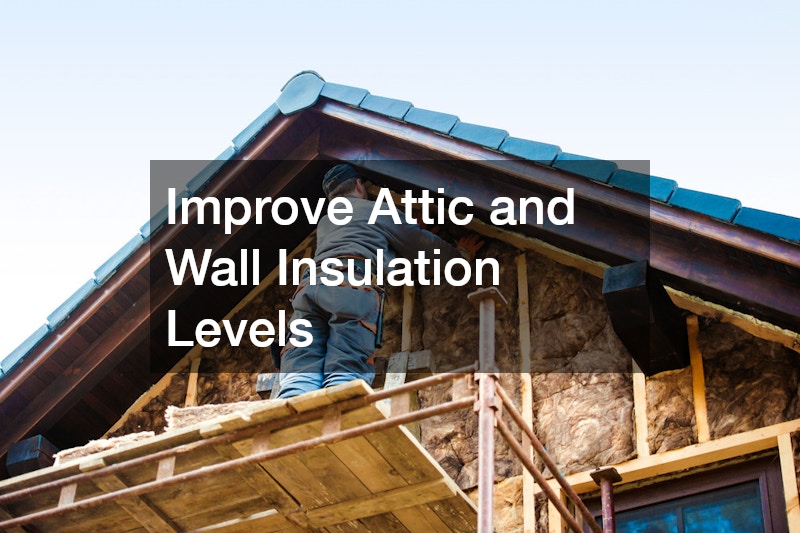
Insulation is one of the most underrated upgrades for reducing utility bills, largely because it works quietly in the background without any visible sign of wear. Hiring a professional insulation service to assess your attic, walls, and crawl spaces can reveal gaps or deteriorated material that let conditioned air escape year-round. Many older homes have insulation levels far below current recommendations, meaning a relatively affordable upgrade can produce noticeable savings within just a few months.
The type of insulation matters as much as the amount, since different materials perform better in different climates and areas of the home.
- Blown-in cellulose works well for attics and hard-to-reach spaces
- Spray foam offers superior air sealing around wiring and pipes
- Batt insulation is cost-effective for walls and floors
- Check insulation levels every five to ten years, especially in older homes
Plan Ahead When Upgrading or Relocating
Sometimes the smartest financial move is not upgrading your current home but timing a move to a more energy-efficient property. If your current house has an aging furnace, single-pane windows, or outdated insulation, the cost of retrofitting everything can rival the price difference of buying a home that already has these upgrades in place. Running the numbers on both scenarios before committing to a renovation budget can reveal which path actually pays off faster. If you are downsizing or relocating specifically to reduce utility costs, coordinating with professional moving services can make the transition smoother and help you avoid damage to appliances or fixtures you plan to reuse. This is especially important for items like refrigerators, washer-dryer units, or smart thermostats that you want to bring along rather than replace. Experienced movers can also help you schedule the transition around utility shutoffs and installations, minimizing overlap costs at both properties. Planning your move around energy-efficient housing features, like updated windows, newer HVAC systems, or better attic insulation, can multiply your long-term savings. Look for homes with an Energy Star certification or a recent energy audit report, since these documents give you a clearer picture of expected utility costs before you buy. A little research upfront can mean thousands of dollars saved over the following two years, without a single renovation project on your end.
Even if you are staying put, decluttering and reorganizing your home can indirectly support energy efficiency by making it easier to access vents, outlets, and insulation for maintenance. Furniture pushed against baseboard heaters, boxes stacked in front of return air vents, or storage bins blocking attic hatches all force your HVAC system to work harder than necessary, sometimes cutting efficiency by 10-15%. Walk through each room and clear at least a foot of space around radiators, vents, and thermostats so air can circulate freely. In the attic, basement, and garage, keep pathways open to electrical panels, water heaters, and insulation so you can spot problems like a torn duct or a chewed wire before they turn into costly repairs. This kind of seasonal reorganizing is also a good time to check weatherstripping around doors and windows, inspect exposed insulation for gaps or moisture damage, and confirm that dryer vents and exhaust fans aren’t obstructed. None of these tasks require a contractor, but they do require the space to actually see and reach the equipment. A decluttered home essentially turns routine maintenance from a hassle into a five-minute check, which makes you far more likely to catch small issues before they inflate your utility bills.
Choose Energy-Efficient Lighting Throughout the Home
Lighting might seem like a small line item compared to heating and cooling, but outdated bulbs and fixtures add up quickly across an entire house. Visiting lighting stores to compare LED options can help you find fixtures that use up to 75 percent less energy than traditional incandescent bulbs while lasting significantly longer. Many stores now offer smart lighting systems that let you schedule or dim lights automatically, further reducing unnecessary usage.
Replacing every bulb in your home is a project you can complete in a single weekend, making it one of the fastest paybacks on this entire list.
- Choose LED bulbs rated for the specific fixture type
- Install motion sensors in low-traffic areas like closets and garages
- Use dimmer switches to reduce energy use during low-light needs
Reducing utility bills within two years is realistic when you focus on the systems that consume the most energy and address them with informed, targeted upgrades. Start with an honest assessment of your home’s biggest weak points, whether that is an aging HVAC system, poor insulation, or outdated fixtures, and prioritize projects based on both cost and expected savings. Small changes add up quickly, and even a few strategic upgrades can noticeably lower your monthly bills. The next step is simple: pick one project from this list, get a professional assessment, and put your savings plan into motion.