

In an era increasingly defined by resource scarcity, volatile energy markets, and a growing collective awareness of our ecological footprint, the concept of home sustainability has undergone a profound transformation. What was once viewed as a niche lifestyle choice or a series of minor aesthetic sacrifices has evolved into a sophisticated discipline of modern property stewardship. Today, creating an eco-friendly home is a strategic blend of resource conservation, architectural engineering, and advanced mechanical efficiency.
Our houses are dynamic ecosystems. Every structural boundary, utility line, and climate control system works in a continuous loop, consuming energy and water to maintain a comfortable indoor sanctuary. When these systems are outdated, neglected, or poorly insulated, they operate with massive efficiency losses, silently wasting valuable resources and driving up your monthly utility expenses. Transforming your property into a model of green efficiency does not require you to compromise on daily comfort. By systematically addressing energy loss, optimizing your mechanical performance, and upgrading to sustainable utility features, you can drastically minimize your carbon footprint. This comprehensive guide serves as your essential master manual for engineering an eco-friendly home that maximizes environmental harmony and financial longevity.
Reducing Indoor Heat Gain Through Smarter Shade Solutions
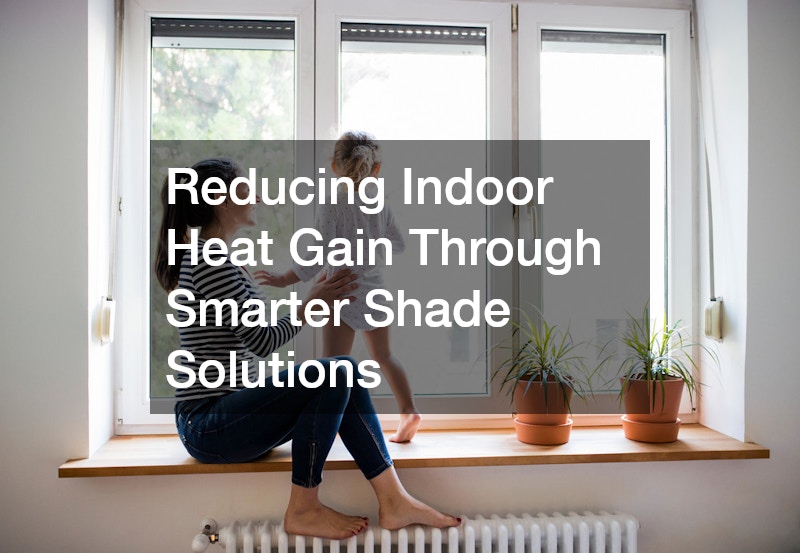
To understand how to optimize a home’s energy performance, you must first analyze its relationship with solar radiation. During warm seasons, intense sunlight pelts your property, penetrating standard glass surfaces and generating a massive amount of internal thermal energy. This phenomenon, known as indoor heat gain, forces your air conditioning system to labor continuously for hours at peak capacity to maintain a stable climate, consuming an immense amount of electricity from the local power grid.
Instead of relying entirely on your cooling equipment to combat this continuous thermal influx, the smartest ecological strategy is to intercept the solar energy before it ever enters your living spaces. Partnering with professional solar shade companies allows you to implement high-performance exterior and interior shading architectures designed to block out heat gain. Modern solar shades are woven from specialized vinyl-coated fiberglass fabrics that absorb and reflect up to ninety-five percent of the sun’s glare and infrared heat while preserving your outward visibility. Implementing automated exterior rolling screens or interior solar blocks dramatically lightens the mechanical load on your air conditioning unit, reducing your daily carbon footprint and keeping your home naturally cool and comfortable.
Improving Energy Efficiency With Better Window Protection
Windows are the primary visual eyes of your property, bridging your indoor sanctuary with the natural world outside. However, from a thermal engineering perspective, untreated glass panes are the absolute weakest boundary in your home’s architectural envelope. Traditional single and double-pane windows readily permit radiant heat to pass through into your bedrooms during hot summer days, while allowing your expensive, conditioned indoor air to leak out during the winter.
While a total frame replacement is a fantastic option, a highly cost-effective and immediate strategy for boosting your thermal resistance involves a precision window tinting service. Sourcing a professional installation of advanced low-emissivity (Low-E) architectural window films directly onto your existing glass surfaces creates an unyielding solar shield. These microscopic, optically clear metallic films work continuously, reflecting infrared heat waves away from your house in the summer while redirecting indoor furnace heat back into your rooms during cold winter snaps. Beyond dropping your monthly cooling expenses, premium window films filter out ninety-nine percent of destructive ultraviolet radiation, permanently protecting your interior finishes and fabrics from fading without sacrificing natural ambient brightness.
Maintaining Equipment for Better Energy Performance
The true mechanical backbone of your home’s energy consumption is your central heating, ventilation, and air conditioning (HVAC) infrastructure. These hard-working systems rely on moving parts, motorized fans, pressurized chemical refrigerants, and electrical relays that undergo constant mechanical wear and thermal stress. When an HVAC unit is neglected, its operational efficiency degrades rapidly, forcing it to draw significantly more power from the grid to deliver the same level of comfort.
To arrest this hidden resource waste, scheduling proactive ac repair services and seasonal maintenance check-ups is a vital ecological habit. Over months of service, a system’s evaporator and condenser coils accumulate layers of airborne dust and pet dander that act as insulation, choking critical airflow and causing the compressor motor to overheat. Certified technicians can clean these vital components, recalibrate your thermostat sensors, and identify worn electrical capacitors before they trigger a system blackout. Keeping your mechanical systems running at peak factory-grade optimization reduces your monthly utility bills, extends the lifespan of your expensive machinery, and ensures that not a single kilowatt of electricity is wasted.
Choosing Efficient Systems for Indoor Comfort
If your current heating and cooling equipment is past ten to fifteen years of age, its core engineering is obsolete compared to modern environmental standards. Older, single-stage units operate on an inefficient binary model: they are either running at a loud, full-blast one hundred percent capacity or they are completely turned off. This constant cycling on and off creates massive electrical current spikes and erratic temperature swings that waste immense amounts of energy.
When transitioning your home to a sustainable layout, investing in modern, high-efficiency cooling systems is one of the highest-return structural choices you can make. Modern indoor climate technology utilizes advanced inverter-driven, variable-speed compressors that scale their power usage up or down incrementally to match your home’s exact thermal load. These advanced systems can idle at low capacities, maintaining an incredibly stable indoor climate while consuming up to forty percent less energy than traditional single-stage models. Prioritizing units with high Seasonal Energy Efficiency Ratio (SEER2) ratings and Energy Star certifications locks in permanent utility savings and establishes a silent, ultra-efficient comfort matrix for your household.
Upgrading Electrical Features to Support Energy Savings
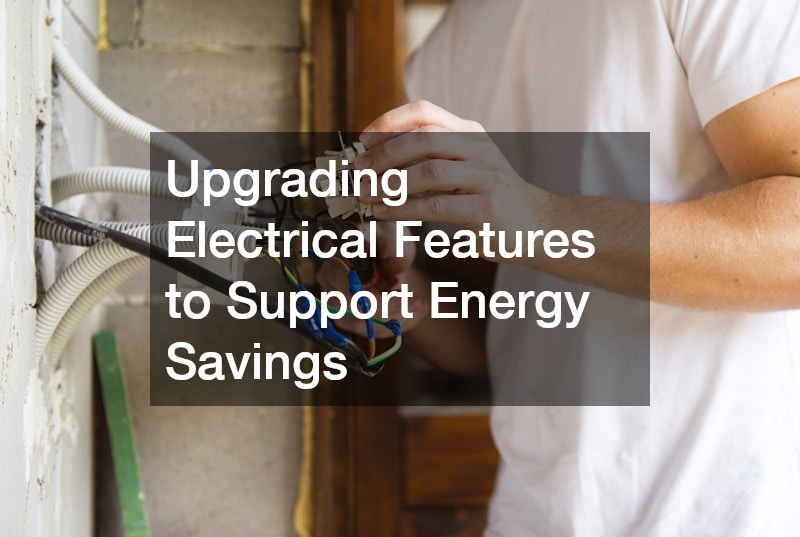
The modern sustainable home requires an intelligent, highly responsive electrical backbone capable of active power management. Traditional residential grids deliver a passive stream of electricity, leaving property owners vulnerable to “phantom loads”—the continuous power consumed by home office electronics, kitchen appliances, and entertainment units even when they are turned off or left in standby modes.
To take absolute control over your property’s electrical footprint, consulting with a certified electrician service is a critical modernization step. A professional electrician can upgrade your electrical panel to integrate smart circuit breakers that monitor real-time energy data across every individual room. They can install smart automation switches, whole-home surge protectors, and dedicated circuits for residential solar array integration or electric vehicle charging stations. Upgrading your electrical features eliminates hidden current waste, protects your high-end appliances from efficiency-robbing voltage fluctuations, and future-proofs your utility infrastructure to cleanly support green energy technology.
Selecting Entry Features That Improve Insulation
An eco-friendly home is completely dependent on the integrity of its watertight and airtight envelope. While walls and attic spaces are heavily insulated, the major transitional openings of your house—such as your main front entry and patio exits—are frequent culprits for severe energy loss. Standard, builder-grade wood or un-insulated metal doors can warp over time due to seasonal humidity shifts, creating microscopic gaps along the threshold where drafts blow continuously.
Partnering with an elite manufacturer to design and hang custom doors constructed from advanced, high-density materials completely seals these architectural weak spots. Modern custom doors engineered for sustainability feature internal polyurethane foam cores encased in durable fiberglass or reinforced composites, delivering insulation values that dwarf traditional wood profiles. Specialized installation ensures that multi-finned weatherstripping and heavy-duty adjustable thresholds form an airtight lock when the door is closed. Upgrading your entry architectural features blocks out external climate extremes, eliminates drafty air infiltration, and injects a magnificent sense of design prestige to your home’s facade.
Managing Natural Light for Greater Efficiency
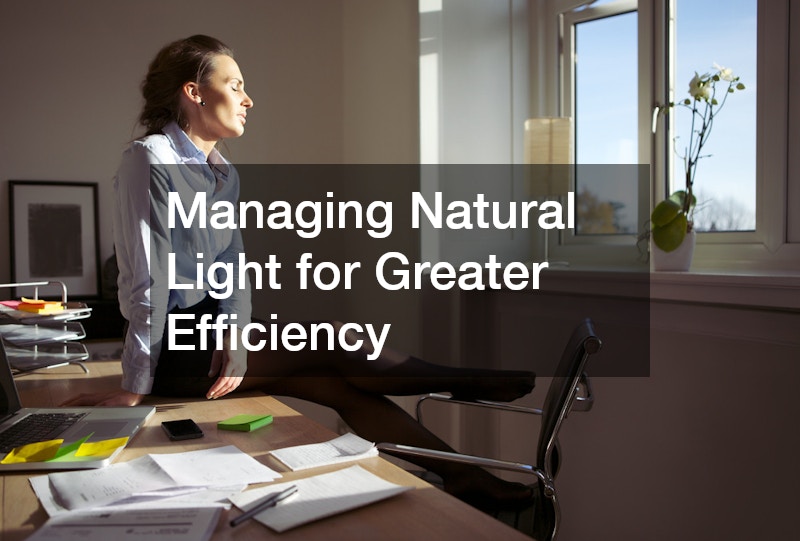
A brilliant green home design recognizes that natural sunlight is a powerful utility resource that should be masterfully harvested rather than blindly ignored. Relying exclusively on high-wattage artificial light bulbs during daylight hours is an unnecessary strain on your local power grid. Conversely, leaving windows completely uncovered can flood a room with intense glare, making the space uncomfortable and faded.
To strike a perfect, automated balance between natural illumination and thermal efficiency, collaborating with local window treatment companies is an exceptional strategy. Modern window treatment specialists can help you implement automated honeycomb shades, motorized solar rollers, or plantation shutters engineered specifically for thermal resistance. Cellular or honeycomb shades, for instance, feature distinct built-in air pockets that act as a permanent insulation blanket right at the glass face. Integrating these automated treatments with your smart-home hub allows your window coverings to adjust naturally throughout the day, opening to harvest clean daylight during cloudy afternoons and closing during peak sun hours to prevent heat gain.
Replacing Older Windows to Reduce Energy Loss
When you examine a house through a thermal imaging camera, the areas glowing with intense heat loss are almost universally your aging, single-pane windows. Over decades of enduring weather stress, the wood frames can rot, vinyl profiles can warp, and structural factory seals can break, causing double-pane glass to cloud with condensation. Attempting to make a home truly green while leaving failing windows in place is an impossible task that keeps your HVAC system under constant strain.
To secure your property’s primary thermal boundaries permanently, committing to a comprehensive window replacement project is a high-return environmental investment. Modern eco-friendly replacement windows feature advanced multi-pane glass packs filled with insulating argon or krypton gas and coated with specialized Low-E silver layers. These engineered systems reflect thermal energy back to its source, trapping winter warmth inside and locking out summer heat. Sourcing a professional installation ensures the window frames are thoroughly insulated and sealed into your home’s rough framing, permanently dropping your monthly energy reliance and boosting your real estate market equity.
Improving Exterior Protection for Long-Term Efficiency
Your roof is your home’s absolute primary shield against nature, absorbing the direct impact of torrential downpours, heavy blizzards, and relentless solar radiation every day. Because the roof deck represents a massive portion of your property’s visible footprint, its material composition heavily dictates your attic’s internal temperature. Traditional dark asphalt shingles act as thermal sponges, absorbing solar heat and transferring it deep into your attic, turning the upper levels of your home into a sweltering heatbox.
When your roof surface approaches the end of its predictable lifecycle, consulting with certified roofing companies allows you to upgrade to high-performance, green roofing alternatives. Elite roofing contractors can install advanced architectural metal panels, cool-roof shingles infused with solar-reflective granules, or authentic slate tiles. A cool-roof system reflects a massive percentage of solar rays back into the atmosphere, maintaining an attic temperature that is significantly lower than a traditionally shingled roof. Improving your overhead exterior protection drops your household’s cooling demand, completely eliminates attic moisture rot, and safeguards your home with an unyielding shield of long-term efficiency.
Conserving Resources Through Smarter Water Solutions
A truly comprehensive approach to eco-friendly living extends past carbon emissions and energy savings to include the strict conservation of our most vital natural resource: clean water. Relying entirely on chemical-treated municipal water systems for expansive lawn irrigation and daily household needs strains local water infrastructures and requires immense energy to process and pump. For homeowners looking to maximize their utility independence and preserve resources, the ultimate solution lies beneath their feet.
Investing in a private, clean ground water supply through a professional water well install is a profound leap forward in residential sustainability. A modern residential well tapping into a pure, subterranean aquifer provides your property with an abundant supply of natural, mineral-balanced water entirely independent of municipal grids. When paired with high-efficiency constant-pressure submersible pumps and smart variable-frequency controllers, the system draws a fraction of the power of older models. Utilizing your own well water for household utilities and eco-friendly drip-irrigation loops eliminates reliance on chemical-heavy city processing, lowers your operational costs, and establishes a resilient resource loop that supports your family and your landscape naturally for a lifetime.
Transforming your residential property into a highly synchronized, eco-friendly sanctuary is a profound validation of responsible home stewardship. By moving away from a passive, short-sighted approach to utility management and embracing the precision of modern technical engineering, you actively insulate your property from resource waste and financial strain.
The secret to a highly successful green transformation lies in optimizing your home’s structural boundaries and mechanical performance in a precise order of operations. By taking the time to intercept solar heat gain with specialized shade networks, sealing your primary glass boundaries through a premium window replacement, maximizing your mechanical cooling efficiency, and anchoring your utility independence to a natural water well install, you build an unyielding shield of sustainability around your savings. Your home ceases to be a source of continuous energy drain and high utility bills; it becomes an optimized, self-contained, and energy-efficient oasis that actively protects the planet while providing an incredibly healthy, comfortable, and beautiful environment for your family. Take control of your property’s environmental potential today, design every phase with green intention, and enjoy the lasting legacy of a home built to stand the test of time.