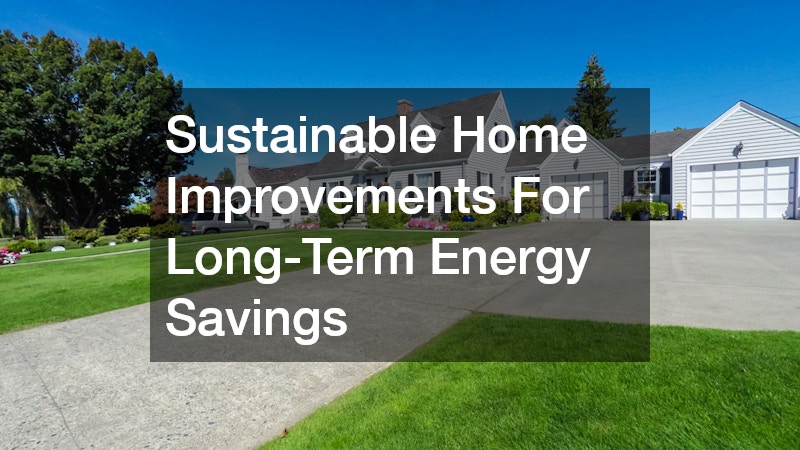

Making a home more sustainable is about far more than lowering monthly utility bills. Thoughtful improvements can increase comfort, reduce environmental impact, improve indoor air quality, and extend the lifespan of major home systems. Whether you are planning a single upgrade or a complete renovation, focusing on energy efficiency from the start helps every improvement deliver greater long-term value.
The most successful projects take a whole-home approach instead of treating each system separately. Heating, cooling, insulation, water usage, lighting, and even outdoor landscaping all work together to influence energy consumption. By understanding how these elements interact, homeowners can make informed decisions that support both their budget and the environment.
Conduct A Whole-Home Energy Assessment Before Starting Projects
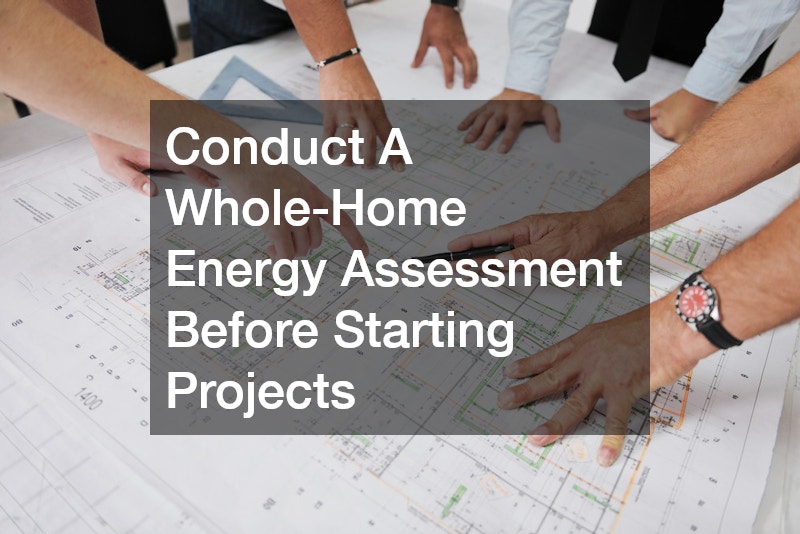
Every sustainable home improvement plan should begin with a clear understanding of how the home currently performs. An energy assessment identifies areas where energy is wasted and highlights the upgrades with the greatest impact.
Rather than immediately replacing equipment or remodeling spaces, take time to evaluate the home’s current condition. Older homes often have multiple inefficiencies that compound, making a comprehensive assessment especially valuable.
A professional evaluation typically includes:
- Inspecting insulation levels throughout the home.
- Checking for air leaks around windows, doors, and penetrations.
- Evaluating heating and cooling performance.
- Reviewing lighting and appliance efficiency.
- Identifying moisture issues that affect insulation.
- Measuring overall energy consumption.
Many utility companies also offer home energy audits or rebates to help homeowners identify efficiency opportunities before renovations. These assessments may include specialized equipment such as blower door tests, which measure how much air leaks through the home’s envelope, and thermal imaging cameras that reveal hidden gaps in insulation or areas where conditioned air is escaping. The results provide a detailed picture of where improvements will have the greatest impact.
Homeowners can also perform a basic self-assessment by reviewing past utility bills. A steady increase in heating or cooling costs without a corresponding rise in energy prices may indicate declining system performance or new sources of energy loss. Drafty rooms, uneven temperatures between floors, excessive humidity, or HVAC systems that run continuously are additional signs that the home could benefit from targeted upgrades.
Large renovation projects often involve multiple specialists. Working with a general contractor can help coordinate improvements so insulation, HVAC upgrades, electrical work, and structural repairs are completed in the proper sequence. This approach reduces unnecessary labor and helps avoid redoing finished work later.
Homeowners should also compare the expected energy savings of each project before investing. Prioritizing improvements with the highest return often makes future upgrades more affordable through ongoing utility savings. Keeping detailed records of completed upgrades, energy audit results, and utility costs also makes it easier to measure progress over time and identify additional opportunities for improving efficiency as the home ages.
Seal The Home Envelope To Prevent Energy Loss
Upgrade Roofing Materials To Improve Thermal Performance
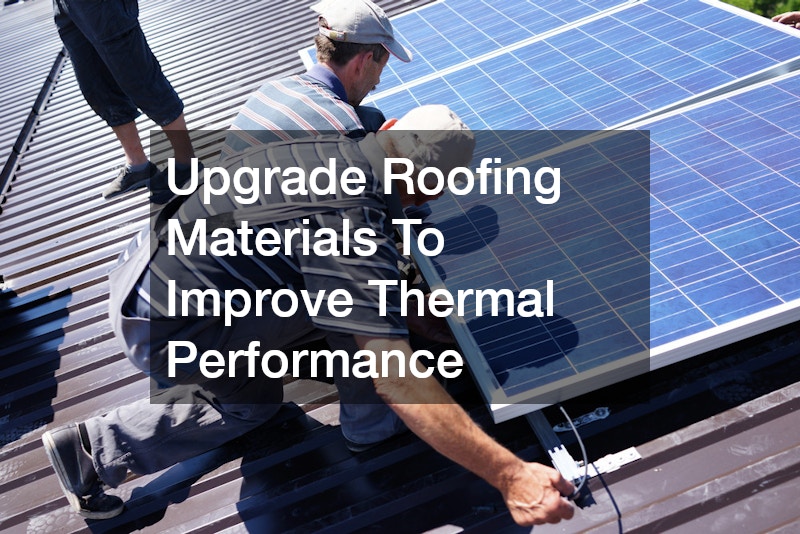
The roof serves as the home’s first defense against sunlight, rain, snow, and changing temperatures. Choosing energy-efficient materials can significantly reduce cooling demands during warmer months.
Modern roofing products are designed to reflect more solar radiation while absorbing less heat. This keeps attic temperatures lower and reduces strain on air conditioning equipment.
Homeowners may consider improvements such as:
- Reflective shingles.
- Cool roof coatings.
- Improved attic ventilation.
- Additional roof insulation.
- Radiant barriers.
- Light-colored roofing materials.
Proper ventilation is equally important. Without sufficient airflow, heat becomes trapped inside the attic, raising temperatures throughout the home and shortening the lifespan of roofing materials.
Routine inspections also allow homeowners to identify damaged shingles, flashing failures, or water intrusion before they become expensive repairs. Small maintenance projects completed early typically prevent larger structural issues later.
Combining high-quality roofing materials with proper insulation creates a more balanced indoor environment while reducing year-round energy consumption.
Improve Heating Efficiency With Regular Seasonal Maintenance
Heating systems account for a significant portion of annual household energy use in many climates. Keeping equipment operating efficiently helps reduce fuel consumption while improving comfort during colder months.
Routine maintenance is often far less expensive than emergency repairs or premature equipment replacement.
Important maintenance tasks include:
- Replace air filters regularly.
- Cleaning supply and return vents.
- Inspecting ductwork for leaks.
- Checking thermostat calibration.
- Clearing debris around equipment.
- Scheduling annual inspections.
Professional furnace service helps identify worn components before they fail unexpectedly. Technicians can clean burners, inspect heat exchangers, test safety controls, and verify that the system operates at peak efficiency.
Homeowners should also pay attention to warning signs such as:
- Uneven heating.
- Higher utility bills.
- Unusual noises.
- Frequent cycling.
- Weak airflow.
Ignoring these symptoms often causes equipment to work harder, increasing both operating costs and the likelihood of major repairs.
Programmable or smart thermostats further improve efficiency by automatically adjusting temperatures based on occupancy, reducing unnecessary heating when the home is empty.
Choose Cooling Systems That Deliver Better Efficiency
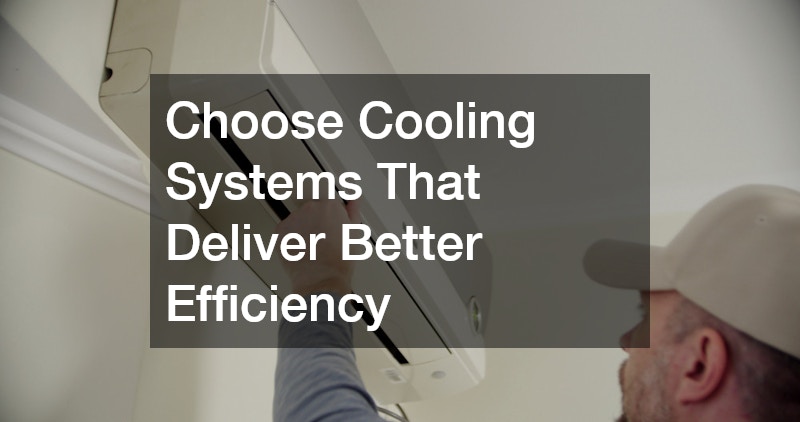
Cooling technology has improved dramatically over the past several decades. Replacing outdated equipment with modern, energy-efficient systems can substantially lower electricity usage while improving indoor comfort.
When selecting new equipment, homeowners should evaluate:
- Proper system sizing.
- Seasonal Energy Efficiency Ratio (SEER) ratings.
- Variable-speed compressors.
- Smart thermostat compatibility.
- Humidity control features.
- Warranty coverage.
Professional air conditioner installations ensure that equipment is correctly sized for the home’s square footage and insulation levels. Oversized systems frequently have short cycles, while undersized systems struggle to maintain comfortable temperatures.
Efficiency also depends on the home’s ductwork. Leaking ducts can waste a considerable amount of conditioned air before it ever reaches living spaces.
Additional ways to improve cooling performance include:
- Installing ceiling fans.
- Closing blinds during peak sunlight.
- Using shade trees strategically.
- Cleaning outdoor condenser units.
- Replace dirty filters.
Combining efficient equipment with proper home insulation allows cooling systems to operate less frequently while maintaining consistent comfort throughout the home.
Reduce Water Waste Through Efficient Plumbing Upgrades
Water conservation plays an important role in sustainable homeownership. Reducing water waste also reduces the energy required to heat water, resulting in additional utility savings.
Even small leaks can waste thousands of gallons annually if left unaddressed.
Simple upgrades include:
- Low-flow showerheads.
- Water-efficient toilets.
- Faucet aerators.
- High-efficiency dishwashers.
- Energy Star washing machines.
- Tankless water heaters, when appropriate.
A local plumber can inspect older fixtures, repair hidden leaks, and recommend improvements that reduce both water and energy consumption.
Homeowners should also monitor:
- Running toilets.
- Dripping faucets.
- Water pressure issues.
- Slow drains.
- Pipe corrosion.
- Water heater performance.
Insulating hot water pipes helps reduce heat loss as water travels through the home, allowing hot water to reach fixtures faster while reducing energy usage.
These relatively affordable improvements often provide noticeable savings over time without requiring major renovations.
Protect Indoor Air Quality By Preventing Moisture Problems
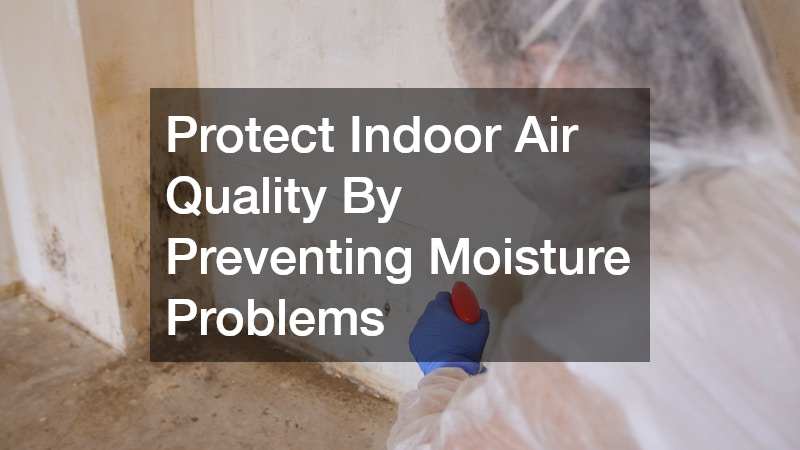
Sustainability is not only about conserving energy. Maintaining healthy indoor air is equally important for creating a comfortable living environment.
Excess moisture reduces insulation effectiveness, damages building materials, and creates favorable conditions for biological growth that may affect indoor air quality.
Preventive measures include:
- Use exhaust fans during cooking and bathing.
- Maintaining indoor humidity between 30% and 50%.
- Repairing plumbing leaks promptly.
- Directing gutters away from the foundation.
- Improving basement ventilation.
- Inspecting crawl spaces regularly.
If moisture problems have already caused contamination, professional mold restoration may be necessary to safely remove affected materials and restore healthy indoor conditions.
Homeowners should also remember that simply removing visible growth does not solve the underlying problem. Long-term success depends on correcting moisture sources through proper drainage, ventilation, and humidity control.
Keeping the home dry improves insulation performance, protects structural materials, and contributes to a healthier indoor environment.
Prepare Your Home For Reliable Energy During Emergencies
Extreme weather events have increased the importance of reliable backup power. Planning ahead allows homeowners to maintain essential systems while minimizing disruption during outages.
Backup power can help operate:
- Refrigerators and freezers.
- Medical equipment.
- Heating systems.
- Cooling systems.
- Lighting.
- Internet equipment.
- Sump pumps.
Experienced generator installers can evaluate household electrical demands and recommend appropriately sized systems that provide reliable backup power without unnecessary fuel consumption.
Homeowners should also consider fuel type, maintenance requirements, noise levels, and local regulations before selecting a backup power solution.
Regular testing and scheduled maintenance ensure equipment will operate properly when needed most. A backup generator that has not been maintained may fail during an emergency, eliminating one of the home’s most valuable resilience features.
Improve Electrical Efficiency With Modern Home Upgrades
Electrical improvements often produce significant energy savings while preparing the home for future technologies.
Older electrical systems were not designed for today’s growing energy demands, making modernization an important investment.
Common upgrades include:
- LED lighting throughout the home.
- Smart switches.
- Motion sensors.
- Programmable lighting schedules.
- Smart outlets.
- Electric vehicle charging readiness.
A licensed electrician can evaluate panel capacity, replace outdated wiring when necessary, and safely install new technologies that improve efficiency.
Homeowners should also consider integrating smart home systems that monitor energy usage in real time. These systems identify appliances that consume excessive electricity and offer opportunities to adjust usage habits.
Small behavioral changes supported by smart technology often generate measurable savings over time while making daily energy management much easier.
Design Outdoor Spaces That Support Sustainability
Outdoor improvements also influence a home’s overall environmental performance. Hardscape design, drainage, and landscaping choices all contribute to long-term sustainability.
Thoughtful planning can reduce stormwater runoff, improve soil health, and decrease cooling costs around the home.
Environmentally friendly outdoor strategies include:
- Installing permeable pavers.
- Choosing lighter-colored paving materials.
- Planting native vegetation.
- Adding shade trees near windows.
- Collecting rainwater for irrigation.
- Using drought-tolerant landscaping.
An experienced paving contractor can recommend permeable paving systems that allow rainwater to soak into the ground rather than run into storm drains. These surfaces help replenish groundwater while reducing erosion and localized flooding.
Strategically placed trees and shrubs also provide natural shade, reducing solar heat gain during the summer and helping cooling systems operate more efficiently. Combined with water-wise landscaping practices, these improvements create an outdoor environment that supports both energy conservation and environmental stewardship.
Sustainable home improvements are most effective when approached as part of a long-term strategy rather than as isolated projects. By improving insulation, maintaining major systems, conserving water, modernizing electrical components, and making thoughtful outdoor upgrades, homeowners can reduce energy consumption while creating a healthier, more comfortable home.
Every home has unique opportunities for improvement, and even small changes can produce meaningful savings over time. With careful planning and consistent maintenance, sustainable upgrades can lower operating costs, increase property value, and help create a more environmentally responsible home for years to come.