

Most homeowners think of exterior maintenance as a chore that eats up weekend time and money, but the truth runs the other way. A handful of proactive upgrades and inspections can prevent the kind of damage that turns a two-hundred-dollar fix into a ten-thousand-dollar repair. The exterior of your home is your first line of defense against weather, pests, and slow-moving disasters like water intrusion.
Understanding where small investments pay off can save you from the repair bills that sneak up when systems fail quietly, out of sight, until it’s too late.
Upgrade Your Roofing Material Before It Fails
Roofing is one of the most expensive systems to replace, but the material you choose has a huge impact on how often you’ll need to touch it again. Asphalt shingles are affordable upfront but typically need replacement every 15 to 20 years, while more durable materials stretch that timeline considerably. Many homeowners are now turning to metal roofing contractors when it’s time for a replacement because steel and aluminum panels can last 40 to 70 years with minimal maintenance. That longevity translates directly into fewer emergency repairs after storms, hail, or heavy snow loads.
Beyond lifespan, metal roofing resists the curling, cracking, and granule loss that plague aging shingle roofs. It also sheds water and snow more efficiently, which reduces the risk of ice dams and the water damage they cause. If your roof is approaching the 15-year mark, getting a professional assessment now is far cheaper than waiting for a leak to appear in your ceiling.
Protect Your Walls With the Right Exterior Cladding
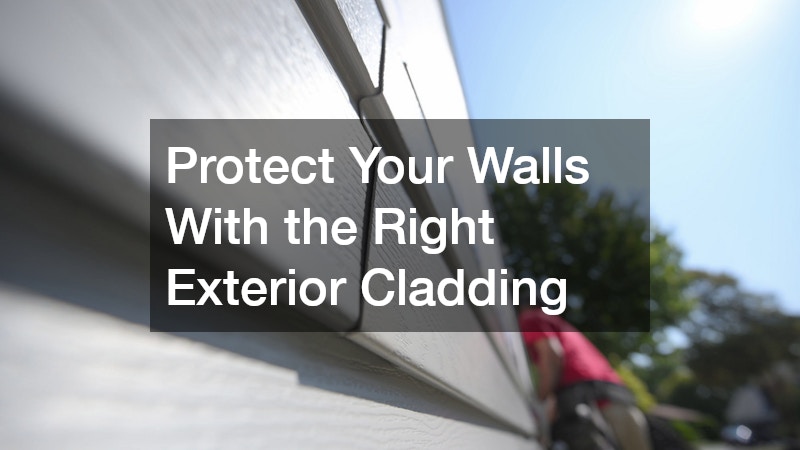
Siding does more than shape your home’s curb appeal; it’s the barrier that keeps moisture, wind, and pests from reaching your framing and insulation. Older siding materials like wood clapboard can warp, rot, or attract insects if not properly sealed and inspected on a regular basis. Modern siding options such as fiber cement and engineered vinyl are built to resist moisture absorption and hold paint or color far longer than traditional materials.
Replacing or upgrading damaged siding early prevents water from seeping behind the panels and rotting the sheathing underneath, which is a far costlier fix. It’s worth inspecting your siding every spring and fall for cracks, gaps, or loose panels, especially near windows and corners. Catching these small issues early keeps moisture out and your walls structurally sound for decades.
Keep Your Chimney and Flue System in Working Order
A chimney that isn’t properly maintained can quietly cause thousands of dollars in damage, from cracked flue liners to water intrusion around the crown. Creosote buildup inside the flue is a fire hazard, while deteriorating mortar joints let moisture seep into the surrounding brick and framing. Scheduling annual chimney sweeping services keeps the flue clear of debris and allows a trained technician to spot small cracks or damage before they become structural problems.
Many homeowners only think about their chimney when they notice a smoky smell or visible damage, but by then repairs are often more extensive. Regular inspections also check the flashing where the chimney meets the roofline, a common spot for leaks to develop unnoticed. A well-maintained chimney not only performs better but protects the roof and attic space around it from slow water damage.
Inspect and Refresh Exterior Paint on a Schedule
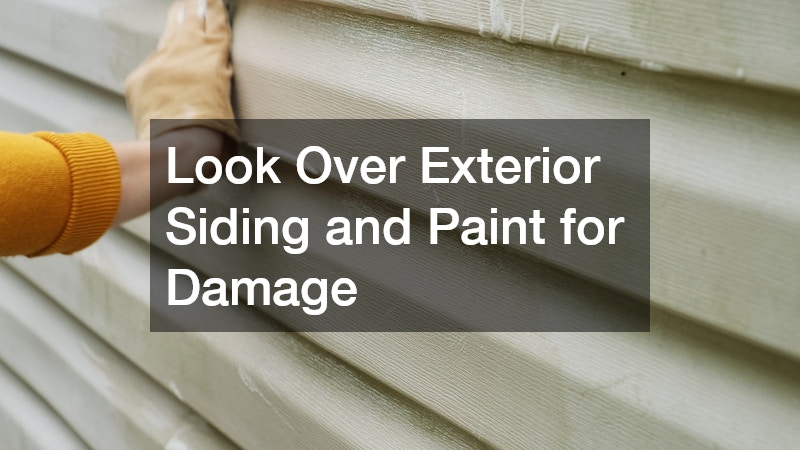
Paint is often seen as purely cosmetic, but it functions as a protective seal against moisture, UV rays, and insects. When exterior paint starts cracking, peeling, or bubbling, it’s a sign that water may already be getting underneath the surface and affecting the wood or trim beneath. Hiring professional painting companies to repaint every 7 to 10 years, depending on climate and material, helps maintain that protective barrier before damage sets in.
A fresh coat of quality exterior paint does more than boost curb appeal; it seals small cracks and gaps that could otherwise let moisture into your walls. Many reputable painting companies also offer minor carpentry repairs as part of their service, addressing soft or rotting wood before repainting. This combination of repair and protection is far less expensive than dealing with structural rot years down the road.
Manage Water Flow Around Your Foundation
Water pooling near your foundation is one of the most common and preventable causes of expensive structural damage. Gutters that are clogged or improperly angled can dump thousands of gallons of water right next to your home’s foundation every year. Extending downspouts, grading soil away from the house, and cleaning gutters twice a year all help direct water where it belongs.
When prevention fails, and water does find its way into a basement or crawlspace, acting quickly matters. Professional water damage restoration teams can extract standing water, dry out affected materials, and prevent mold growth before it spreads into wall cavities. Waiting even a few days after a flood or leak significantly increases the cost and complexity of restoring the space.
Test Your Backflow Prevention Device Annually
Many homeowners don’t realize their property has a backflow prevention device until something goes wrong with their irrigation system or municipal water connection. This device stops contaminated water from flowing backward into your clean water supply, which is especially important if you have a sprinkler system or pool nearby. Scheduling routine backflow testing services ensures the device is functioning correctly and meets local code requirements, which many municipalities require annually.
Skipping this test isn’t just a compliance issue; a failed backflow preventer can lead to contaminated drinking water or costly plumbing repairs if debris damages internal valves. The testing process is quick, usually taking less than an hour, and any technician who finds a problem can typically repair or replace the device on the spot. Staying current on this small task protects both your health and your plumbing investment.
Maintain Your Septic System Before Problems Surface
If your property relies on a septic system rather than municipal sewer service, regular maintenance is one of the most important things you can do to avoid a five-figure repair. Septic tanks need to be pumped every three to five years depending on household size and usage, and skipping this step allows solids to build up and clog the drain field. Scheduling septic service on a consistent schedule catches early warning signs like slow drains, odors, or soggy patches in the yard before they become full system failures.
A neglected septic system doesn’t just cause plumbing backups inside the house; it can contaminate groundwater and require replacing the entire drain field, which is a major expense. Simple habits like avoiding excessive water use, not flushing wipes or grease, and keeping heavy vehicles off the drain field area all extend the system’s life. Combined with routine septic service, these habits keep the system working reliably for many years.
Guard Against Pest Damage to Structural Wood
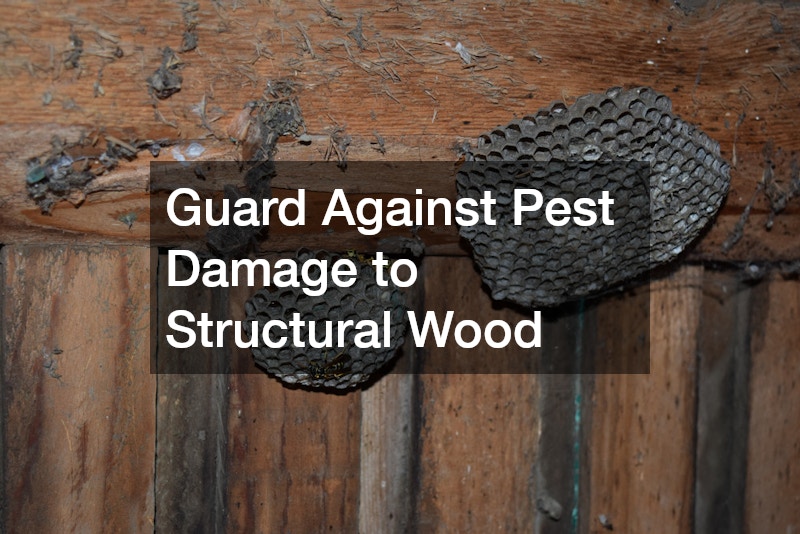
Termites, carpenter ants, and other wood-destroying insects can cause damage that’s invisible until it’s severe, often hiding inside walls, beams, and window frames. A termite colony can chew through structural wood for years before any visible sagging, buckling, or hollow-sounding boards give it away. By the time you notice these warning signs, the damage may already extend deep into load-bearing framing.
Because this damage compromises structural integrity, catching it early through regular inspections is far cheaper than replacing rotted framing later. Homeowners in termite-prone regions should schedule inspections annually, while those in older homes or areas with a history of infestations may benefit from checking every six months. Common trouble spots include areas where wood meets soil, crawl spaces, deck ledger boards, and any spot with a past moisture issue, since damp wood is especially attractive to pests.
Professional pest control services can identify entry points, treat active infestations, and set up ongoing monitoring to catch new activity before it spreads. Many companies offer bait stations or perimeter treatments that provide year-round protection rather than a one-time fix. Combined with simple habits like keeping mulch and firewood away from the foundation and fixing leaks promptly, these measures can save thousands of dollars in structural repairs down the road.
Termites aren’t the only culprits that quietly eat away at your home’s structural integrity. Rodents gnaw through insulation, wood trim, and even attic wiring, exposing bare wires that become genuine fire hazards. Wasps and carpenter bees bore into fascia boards and eaves, leaving small openings that let moisture seep into the framing and accelerate rot from the inside out.
The damage from these pests often goes unnoticed for months because it happens in attics, crawl spaces, and wall cavities you rarely inspect. By the time you spot droppings, sawdust-like frass, or a sagging soffit, the repair bill has already grown from a simple patch job to a full section replacement. Catching these signs early — scratching noises overhead, small holes in exterior wood, or waxy mud tubes along the foundation — can save thousands in framing and drywall repairs.
Scheduling pest control on a seasonal basis, rather than only when you notice a problem, helps stop infestations before they take hold. Spring and fall inspections are particularly valuable, since they align with when rodents seek shelter from temperature swings and when termite swarms are most active. A typical seasonal contract runs far less than the cost of replacing even one damaged wall stud or a section of roof decking.
This proactive approach matters most for older homes with original wood siding, homes near wooded or wetland areas, and properties with mulch or woodpiles stacked close to the foundation. In these situations, pest pressure tends to be higher, and a single missed season can mean the difference between a minor treatment and a major structural repair.
Keep Your Pool Area Sealed and Structurally Sound

For homeowners with swimming pools, the surrounding deck, coping, and plumbing lines are just as important to maintain as the water itself. Cracks in pool decking allow water to seep underneath, which can erode the base and cause the surface to shift or heave over time. Checking the caulking and expansion joints around the pool edge each season prevents this slow, costly deterioration.
Beyond the structure, swimming pools rely on pumps, filters, and plumbing connections that need regular checkups to avoid leaks that waste water and drive up utility bills. A small crack in a pool’s plumbing line can go unnoticed for months while quietly damaging the surrounding soil and landscaping. Routine seasonal maintenance, including checking for cracks and testing water chemistry, keeps both the structure and equipment in good working order.
Update Aging Bathrooms to Prevent Hidden Leaks
Bathrooms are one of the most common sources of hidden water damage in a home, thanks to aging caulk, worn grout, and outdated plumbing fixtures. Caulk and grout typically start failing after 5 to 10 years, developing tiny cracks that let water migrate behind tile even when everything looks fine on the surface. Once that moisture reaches the substrate, it can rot subflooring, corrode fasteners, and damage ceilings below without any visible sign until the damage is extensive.
Shower pans and tub surrounds are especially vulnerable, since their waterproofing membranes take a daily beating from temperature changes and water pressure. A cracked or improperly sloped pan can leak for months before a stain finally shows up on a downstairs ceiling, by which point repairs may involve replacing joists or drywall in addition to the bathroom itself. Older fixtures with worn-out gaskets or supply lines add another layer of risk, quietly dripping inside walls or under cabinets.
Investing in bathroom remodeling services to replace old fixtures, reseal tile, and update waterproofing membranes addresses these risks before they turn into major repairs. A thorough remodel typically includes re-caulking around tubs and showers, regrouting or replacing tile, and installing modern waterproof backer board behind wet areas. Upgrading to newer supply lines and shutoff valves also reduces the odds of a slow leak going unnoticed for years.
For homeowners on a budget, even a partial update—resealing high-risk joints and swapping aging fixtures—can meaningfully lower the odds of a costly, hidden leak developing behind the walls.
Bathrooms are a common source of hidden water damage because small leaks around tubs, toilets, and shower pans often go undetected until they’ve already rotted subfloors or grown mold inside walls. Modern bathroom remodeling services address this risk at the source, often including upgraded exhaust fans and better ventilation solutions that pull excess humidity out of the room before it can condense on walls and ceilings. This matters more than most homeowners realize: a bathroom without proper ventilation can trap moisture levels high enough to support mold growth within 24 to 48 hours after a hot shower.
A full remodel isn’t the only path to protection, though. Simple, low-cost fixes—like replacing a leaking faucet washer, resealing a bathtub with fresh caulk, or regrouting cracked tile—can stop water from seeping behind walls or under flooring. Left unaddressed, even a slow, barely noticeable drip can waste over 3,000 gallons of water a year and quietly warp cabinetry or subflooring in the process.
Other worthwhile checks include inspecting the wax ring under toilets every few years, verifying that shower doors and surrounds are properly sealed, and making sure bathroom exhaust fans vent outside rather than into the attic. A proactive approach to bathroom maintenance protects both your home’s structure and your indoor air quality, while helping you avoid the far costlier repairs that come with long-term hidden leaks.
Conclusion
None of these upgrades require a complete overhaul of your home at once; the key is staying ahead of small problems before they become expensive emergencies. Walk through your property each season, checking roofing, siding, chimney, plumbing, and pest vulnerabilities with the same attention you’d give any major investment. Scheduling routine professional inspections for the systems you can’t easily evaluate yourself is one of the smartest ways to protect your budget long term. The homeowners who spend the least on repairs over time are usually the ones who never stopped paying attention to the details.