

Your home might be harboring more hidden toxins than you realize, from mold spores in damp corners to chemical off-gassing in old materials. The good news is that removing these hazards rarely requires tearing out entire rooms or spending a fortune on brand-new fixtures. With a few strategic fixes and some professional spot-checks, you can dramatically improve your indoor air and outdoor environment. This guide walks through the most common toxin sources in and around your home, and how to address each one affordably.
Improving Indoor Air Quality Through Better Insulation
 Many homeowners overlook the connection between insulation and indoor air quality, but gaps in your walls, attic, and around windows and doors can let in mold spores, dust, pollen, and even pest droppings that carry bacteria. These entry points are often small—sometimes less than a quarter-inch wide—but they’re enough to let contaminants seep in continuously, especially in older homes where framing has settled or shifted over time. Old, deteriorating insulation, especially materials made before modern safety standards, can also release irritating particles into your living space. Vermiculite insulation installed before 1990, for instance, may contain trace amounts of asbestos, while older fiberglass batts can shed fibers as they break down. Even insulation that isn’t hazardous can lose its effectiveness over time, allowing moisture to accumulate and creating the damp conditions mold needs to thrive. Rather than gutting your walls, a professional inspection can identify exactly where sealing and supplementing is needed most. Many inspectors use thermal imaging cameras to spot air leaks and moisture pockets that aren’t visible to the naked eye, giving you a targeted map of problem areas. From there, solutions like blown-in cellulose, spray foam sealant around penetrations, or simple caulking and weatherstripping can often resolve the issue for a fraction of the cost of a full renovation.
Reaching out to local insulation companies for a professional assessment is often far cheaper than a full renovation, and most will inspect attics, crawl spaces, and exterior walls at little or no cost. Many offer targeted solutions like blown-in cellulose or spray foam for specific problem areas, rather than requiring you to insulate an entire home at once. This lets you prioritize the spots doing the most damage to your air quality and budget. This approach seals off pathways for outdoor contaminants like pollen, dust, and vehicle exhaust while also improving energy efficiency, which pays for itself over time through lower heating and cooling bills. Homeowners often see a 10-20% reduction in energy costs after addressing major gaps around windows, doors, and rim joists. Better sealing also reduces the infiltration of radon and outdoor pollutants that would otherwise seep in through unseen cracks. Addressing insulation gaps early can prevent moisture buildup that leads to far more expensive mold remediation down the road. Damp, poorly insulated areas are prime breeding grounds for mold spores, which are among the most stubborn indoor toxins to remove once established. A modest investment of a few hundred dollars in targeted insulation work now can save thousands in remediation, health costs, and structural repairs later.
Refreshing Old Floors Instead of Replacing Them
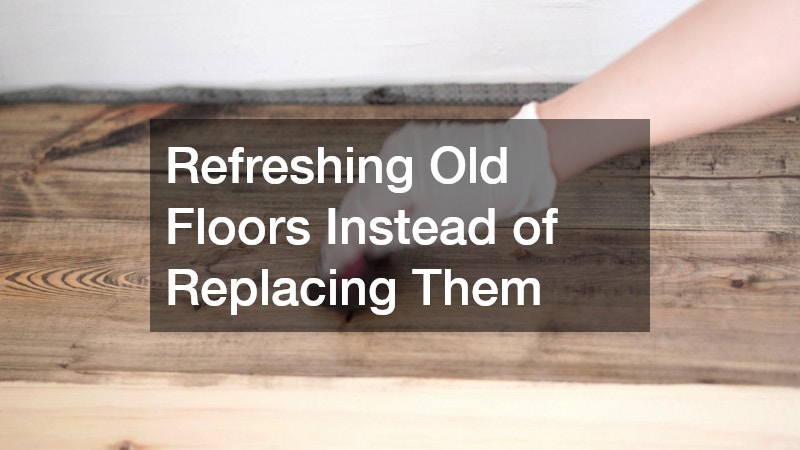
Older hardwood floors can trap decades of dust, pet dander, chemical residue, and even lead-based finishes if the home predates the 1970s. Ripping out these floors and installing new ones is costly and wasteful when the underlying wood is often still structurally sound. In most cases, sanding down the surface and applying a low-VOC finish eliminates the toxic buildup without the expense of full replacement. Before sanding, test for lead paint or lead-based stain, especially in homes built before 1978. A simple at-home lead test kit costs around $15 to $20 and can save you from disturbing hazardous dust without proper containment. If lead is present, hire a certified abatement professional rather than DIY-sanding, since dry sanding can release fine lead particles into the air. For floors without lead concerns, a drum sander or orbital floor sander (available for rent at most hardware stores for $40 to $70 a day) can strip away the old, contaminated finish down to bare wood. Look for water-based polyurethane finishes labeled low- or zero-VOC, which off-gas far less than traditional oil-based sealants and typically dry within hours instead of days. This approach can cost a fraction of full replacement, often $3 to $8 per square foot versus $8 to $25 per square foot for new hardwood installation, while extending the life of the original floor by decades.
Old, dingy floors don’t necessarily mean it’s time for an expensive tear-out. Hiring a specialist in hardwood floor refinishing allows you to choose water-based, low-odor sealants that dramatically cut down on the volatile organic compounds (VOCs) associated with traditional oil-based polyurethane finishes. Many of these modern formulas emit a fraction of the fumes, meaning you can often walk on the floors again within 24 hours instead of waiting a week for odors to clear. This process also removes years of embedded allergens sitting in the wood grain and finish cracks. Dust mites, pet dander, and mold spores tend to settle into worn or scratched finishes over time, and sanding the surface down strips away that buildup along with any old, chipped varnish that may have contained higher levels of formaldehyde or other harsh chemicals. Beyond the health benefits, refinishing gives you the chance to address scratches, water stains, and discoloration without touching the subfloor. A light screen-and-recoat can often be done in a single day for floors in decent shape, while a full sand-and-refinish handles deeper damage. Either way, it’s typically far less costly than full replacement. The result is a healthier surface that looks brand new without the landfill waste of tearing out perfectly good flooring. Keeping the original wood also preserves character that’s often impossible to replicate with new materials, especially in older homes with reclaimed or vintage hardwood.
Updating Bathroom Surfaces Without a Full Renovation

Bathrooms are notorious for hidden mold behind tile, aging caulk that harbors bacteria, and old ventilation systems that fail to clear humidity effectively. A complete gut renovation isn’t always necessary to fix these issues, especially if the plumbing and structure are still in good shape. Targeted updates to grout, caulking, and ventilation can resolve most toxin concerns at a fraction of the cost.
When mold has worked its way deep into walls or flooring, consulting a bathroom remodeling contractor for a partial update, rather than a full teardown, can be the smarter financial move. These professionals can identify which materials need replacing and which can simply be cleaned, resealed, or refinished. This targeted approach keeps costs down while still eliminating the source of persistent musty odors and airborne spores.
Restoring Countertops Instead of Tearing Them Out
Older laminate or cultured marble countertops can develop cracks and porous surfaces that trap bacteria, mold, and cleaning chemical residue over years of use. Many homeowners assume the only fix is a full replacement, which can run into the thousands of dollars depending on the material chosen. In reality, resurfacing is often a viable and far cheaper alternative that restores a sanitary, sealed surface.
Professional countertop refinishing applies a new coating that seals off old cracks and stains, effectively locking away whatever bacteria or residue had built up in the porous material. This process typically takes a day or two, compared to the week or more a full replacement might require. It’s a practical solution for kitchens and bathrooms alike, especially when the countertop’s structure is still solid.
Clearing Outdoor Mold and Contaminants From Siding and Walkways
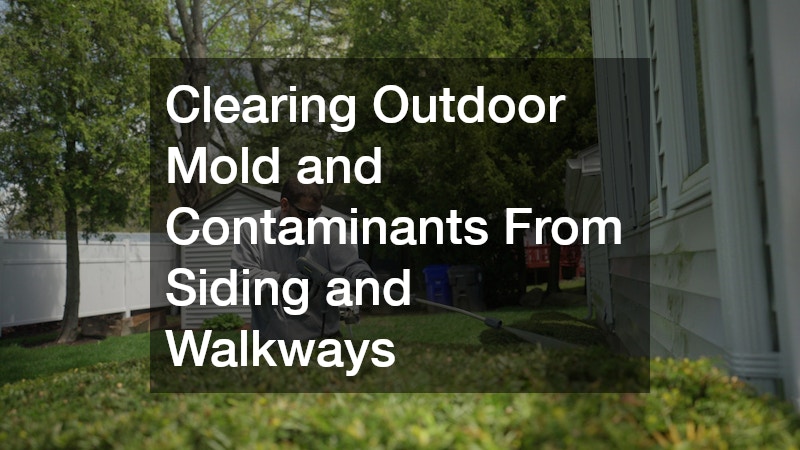
Toxins aren’t limited to the inside of your home. Mold, algae, and mildew growing on siding, decks, and walkways can release spores that drift indoors every time a door or window opens. Left untreated, these growths can also stain and degrade exterior surfaces, leading to costlier repairs later.
A pressure washing company can safely remove these buildups using appropriately calibrated equipment and eco-conscious cleaning solutions, avoiding damage to paint, wood, or siding material. Regular exterior cleaning, done once or twice a year, keeps mold spores from accumulating and migrating indoors. This is a low-cost maintenance step that pays off both in air quality and curb appeal.
Maintaining Your Septic System to Prevent Groundwater Contamination
A neglected septic system is one of the most overlooked sources of household toxin exposure, particularly if it leads to backups or leaches contaminants into the surrounding soil and groundwater. Warning signs include slow drains, sewage odors near the drain field, and unusually lush patches of grass in the yard. These symptoms often mean waste isn’t being properly broken down and contained.
Scheduling routine septic pumping every three to five years, depending on household size and tank capacity, prevents overflow and keeps harmful bacteria and chemicals from seeping into the ground you and your family walk on. This maintenance task is inexpensive compared to the environmental cleanup and health risks associated with a failed system. It also extends the life of your entire septic setup, saving you from a premature full replacement.
Keeping Backup Power Clean and Reliable During Outages
When storms knock out power, many households rely on generators that, if poorly maintained or incorrectly ventilated, can introduce dangerous levels of carbon monoxide into the home. Older or poorly serviced units are especially prone to incomplete combustion, which increases toxic emissions. Choosing a well-maintained, properly sized unit is essential for both safety and air quality.
Generac generators are popular for their reliability and safety features, including automatic shutoff systems that detect dangerous carbon monoxide buildup before it becomes lethal. Regular servicing ensures the unit burns fuel efficiently and doesn’t leak exhaust into nearby windows or vents. Investing in proper installation and upkeep is far more affordable than dealing with a health emergency or a unit failure during an actual outage.
Repairing Yard Barriers to Keep Pests and Chemicals Out
A damaged or rotting fence might seem like a cosmetic issue, but it can actually be a gateway for pests, wandering animals, and even runoff from neighboring properties carrying pesticides or chemical residue into your yard. Wood that’s splintering or treated with older preservatives can also leach chemicals into the soil where children and pets play. Addressing these issues early prevents a much larger contamination problem.
Simple fence repairs, such as replacing rotted boards or resealing with a non-toxic, weather-resistant treatment, are far more economical than a full fence replacement. This also gives you the opportunity to swap out any old chemically treated wood for safer, modern alternatives. A secure, well-maintained fence line keeps unwanted contaminants and critters out of your outdoor living space.
Servicing Appliances to Reduce Gas Leaks and Chemical Exposure
Old refrigerators, ovens, and water heaters can develop leaks or malfunctions that release gas, refrigerant, or other chemicals into your home’s air. A gas stove with a faulty igniter or a fridge with a refrigerant leak might not seem urgent, but these issues can pose real health risks over time. Regular servicing catches these problems before they escalate.
A qualified appliance repair technician can inspect seals, connections, and ventilation systems to ensure nothing hazardous is leaking into your living space. This is typically far less expensive than replacing the entire unit and can extend its usable life by years. Keeping up with these small repairs is one of the most cost-effective ways to maintain a toxin-free home.
Checking Your Roof for Hidden Mold and Water Damage
A compromised roof can allow water to seep into attic insulation and ceiling materials, creating the perfect environment for mold growth that eventually spreads indoor air contaminants throughout the house. Missing shingles, damaged flashing, and clogged gutters are common culprits that often go unnoticed until stains appear on ceilings. Catching these problems early prevents a small leak from becoming a major mold infestation.
Reaching out to local roofers for a routine inspection, ideally once a year or after major storms, can identify vulnerable spots before they lead to costly interior damage. Many offer affordable minor repairs, like replacing a few shingles or resealing flashing, that stop leaks in their tracks. This proactive approach protects your indoor air quality without requiring an expensive full roof replacement.
Eliminating household toxins doesn’t have to mean an overwhelming renovation project or a drained savings account. By tackling problem areas one at a time, from insulation and flooring to your septic system and roof, you can make meaningful, lasting improvements to your home’s safety and air quality. Start with the areas that show the clearest warning signs, whether that’s a musty smell, a suspicious stain, or an aging appliance, and work outward from there. Small, targeted investments now can prevent much larger health and financial costs later.