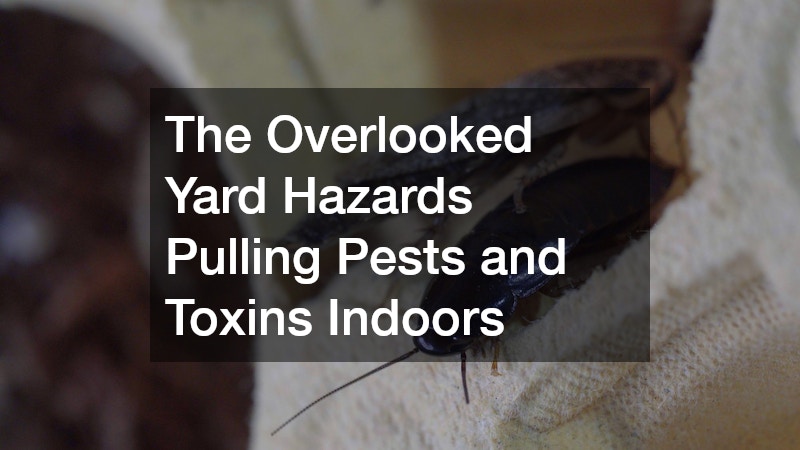

Most homeowners spend their pest and moisture prevention efforts indoors, sealing cracks and setting traps without ever looking at the yard that surrounds the house. Yet the landscape itself is often the real source of the problem, quietly funneling insects, rodents, mold spores, and standing water toward your foundation and walls. Understanding which outdoor features act as magnets for these hazards can save you thousands in repairs and health headaches down the road.
This guide walks through the most commonly overlooked yard risks and what to do about each one.
Overgrown Mulch Beds Near the Foundation
Thick mulch beds pressed right up against the house create a perfect microclimate for pests. The moisture retention and organic decay in mulch attract termites, ants, and roaches, all of which use the mulch as a bridge straight to your siding and foundation cracks. Many homeowners refresh mulch every spring without realizing they are rebuilding a pest highway each time.
If you notice persistent ant trails or termite mud tubes near flower beds, it may be time to call in pest control services rather than relying on store-bought sprays. A professional inspection can identify entry points you cannot see from ground level and treat the soil itself rather than just the surface.
- Keep mulch at least 12 to 18 inches away from siding and foundation walls
- Choose gravel or stone borders closest to the house instead of organic mulch
- Replace mulch that stays damp for more than two days after rain
- Inspect mulch beds monthly during warm months for insect activity
Aging Rooflines That Trap Moisture and Debris
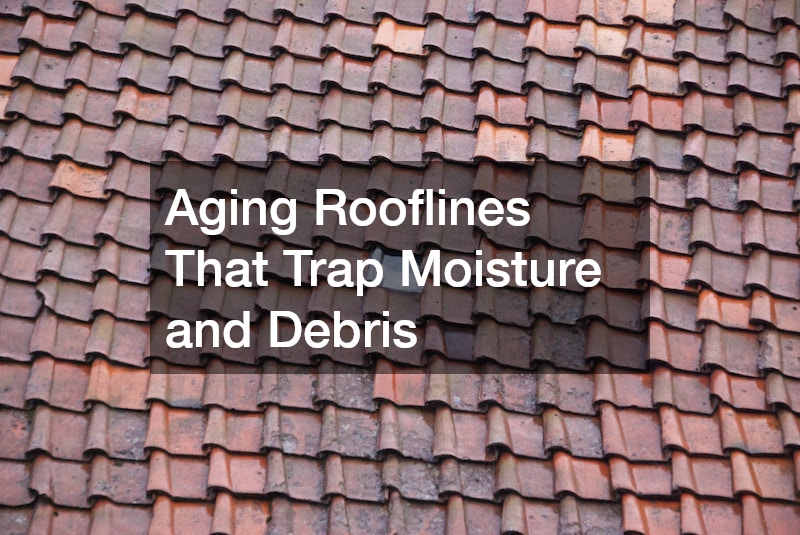
An old or damaged roof does more than let water in during storms. It collects leaves, seeds, and pine needles in valleys, gutters, and around chimney flashing, creating a slow-rotting compost pile that holds moisture long after the rest of the yard has dried out. That damp organic buildup draws rodents, ants, and roaches toward the roofline, since it offers both food and a convenient staging area close to attic vents and soffit gaps.
Even minor issues like curled shingles, cracked flashing, or gutters pulling away from the fascia create small entry points that seem harmless from the ground. A gap as narrow as a quarter-inch is wide enough for a mouse, and squirrels can enlarge soft, water-damaged wood in a matter of days. Once pests establish a nesting spot in the attic, they often work their way down into wall cavities, following wiring and plumbing chases toward warmer, food-rich areas of the house.
Trapped moisture compounds the problem by inviting mold and wood rot, which further softens roof decking and makes it easier for pests to chew through. Homeowners who skip annual roof inspections often don’t notice the damage until they spot droppings in the attic insulation or water stains spreading across a ceiling. Clearing debris from valleys and gutters at least twice a year, and repairing damaged shingles promptly, removes both the moisture source and the easy foothold that draws pests indoors in the first place.
An aging roofline does more than look tired — it creates the exact conditions pests and moisture need to move indoors. Curling shingles, moss-covered valleys, and clogged flashing all trap organic debris that stays damp long after a storm passes. That trapped moisture softens wood, attracts insects like carpenter ants and termites, and eventually gives rodents soft entry points along the eaves.
Homeowners looking to reduce this risk long-term sometimes switch to Da Vinci synthetic roofing, which resists moisture absorption and does not provide the same organic material that pests feed on compared to wood shakes. Because the material is engineered rather than harvested, it doesn’t decay, warp, or hold water in the way cedar and other wood products do over time. This type of upgrade also holds up better against the freeze-thaw cycles that crack traditional shingles and create entry gaps, which matters most in climates where winter temperatures swing above and below freezing multiple times a season.
A roof that sheds debris efficiently is one less invitation for pests to explore your home’s upper structure. It also reduces the number of small repairs — replaced shingles, resealed flashing, patched underlayment — that homeowners tend to put off, letting minor gaps widen into real entry points over a few seasons.
- Clean gutters at least twice a year (spring and fall), and up to four times if you have overhanging oaks, pines, or maples nearby
- Check attic vents, soffits, and ridge vents for gaps, rust, or torn screening where mice, squirrels, and wasps can slip inside
- Look for granule buildup in gutters or bald patches on shingles, both signs of roof wear that invite moisture intrusion
- Inspect flashing around chimneys and skylights, since gaps here let water seep in and create hidden damp spots pests love
- Trim tree limbs back at least 6-10 feet from the roofline to reduce debris drop and block easy pest access
- Consider synthetic or metal roofing materials for pest-resistant durability, especially in wooded or humid climates
Leaky or Poorly Positioned Irrigation Lines
Landscaping irrigation is essential for a healthy lawn, but poorly calibrated or leaking lines create constant damp patches near the home. Standing moisture close to the foundation softens soil, invites mosquitoes, and gives termites the consistent water source they need to thrive. Many homeowners do not realize their watering schedule is actively working against their pest prevention efforts.
Well-maintained sprinkler systems should be positioned to water lawns and beds without oversaturating the six-foot perimeter around the house. A simple adjustment in spray direction or timer duration can dramatically reduce the damp conditions that attract pests. It is worth having an irrigation technician inspect your setup annually to catch broken heads or buried leaks before they become a bigger issue.
- Set irrigation timers for early morning to allow soil to dry during the day
- Redirect or cap sprinkler heads that spray directly onto siding
- Check for soggy patches near the foundation weekly during watering season
- Repair cracked supply lines promptly to prevent hidden underground leaks
Neglected Septic Systems and Drain Fields

A septic system that has not been serviced in years can develop slow leaks or surface pooling in the drain field, which becomes a breeding ground for flies, mosquitoes, and rodents. These pests do not stay confined to the yard; they move toward the house in search of shelter, especially as temperatures drop in fall. A failing septic system also introduces bacteria and odors that can permeate soil and groundwater near your home.
Scheduling routine septic pumping every three to five years, depending on household size and usage, prevents the kind of backup that creates standing wastewater in your yard. This single maintenance task addresses both the pest risk and the environmental contamination risk at once. Signs like slow drains, sulfur smells, or unusually green patches of grass over the drain field should never be ignored.
- Track your last septic pumping date and set a reminder for the next service
- Avoid parking or building over the drain field area
- Watch for pooling water or unusually lush grass patches in the yard
- Never plant trees with aggressive root systems near septic lines
Tree Canopies That Touch the Roofline
Trees provide shade and beauty, but branches that touch or overhang the roof act as a direct bridge for squirrels, ants, and other climbing pests. Overhanging limbs also drop leaves and seeds into gutters constantly, compounding the moisture and debris problems already discussed. In storm-prone regions, these same branches pose a real risk of structural damage if they break and fall.
When branches grow too close for a homeowner to safely trim themselves, contacting a tree removal business is a smart move rather than risking a fall or improper cut that damages the tree’s health. Professionals can also assess whether a tree’s root system is beginning to threaten your foundation or underground pipes. Regular canopy maintenance keeps pests from having an easy highway onto your roof.
- Trim branches back at least 6 to 10 feet from the roofline
- Remove dead or dying trees before they become pest habitats
- Inspect trunks for hollow spots that may house nesting animals
- Schedule professional trimming annually for large or mature trees
Poorly Graded Yards That Channel Water Toward the House
Yard grading is one of the most overlooked structural issues homeowners face. When soil slopes toward the foundation instead of away from it, every rainstorm sends water pooling against your basement walls or crawlspace vents. Over time, this leads to cracked foundations, mold growth, and an open invitation for moisture-loving pests like silverfish and centipedes.
If flooding has already occurred, contacting water restoration services quickly can prevent mold from taking hold in wall cavities and flooring. These professionals use industrial dehumidifiers and moisture meters to catch hidden dampness that a homeowner might miss with a quick visual check. Addressing the grading problem afterward is equally important, since restoration alone will not stop the cycle from repeating.
- Aim for a slope of at least 6 inches of drop over the first 10 feet from the house
- Install a French drain if regrading is not feasible
- Extend downspouts at least 4 feet away from the foundation
- Check crawlspace vents after heavy rain for standing water
Backyard Pools and Water Features Left Unmaintained
A neglected pool or decorative pond quickly becomes a mosquito breeding ground, and standing water within a few hundred feet of the house dramatically increases the odds of these pests finding their way indoors through window screens and door gaps. Algae buildup and organic debris in untreated water also attract flies and gnats that multiply fast in warm weather. This is a hazard many homeowners underestimate simply because the water looks calm on the surface.
For those considering adding a pool, working with a reputable pool installation company from the start ensures proper filtration and circulation systems are in place to prevent stagnant water pockets. Existing pool owners should keep chlorine levels balanced and run pumps consistently, even during off-season months, to avoid creating a still-water pest haven. Covering the pool when not in use also cuts down significantly on debris and mosquito access.
- Test and balance pool chemicals weekly during swim season
- Run filtration pumps daily, even in cooler months
- Remove standing water from pool covers after rain
- Stock small ornamental ponds with mosquito-eating fish if chemicals are not an option
Exterior Wall Materials That Invite Pest Damage
The material covering your home’s exterior plays a bigger role in pest prevention than most people realize. Wood siding, in particular, is vulnerable to moisture absorption and insect burrowing, especially in humid climates or shaded yard areas. Once pests find a soft or rotting section of siding, they often chew through to insulation and framing behind it.
Homeowners rebuilding or upgrading their exterior often turn to metal siding supplies as a more pest-resistant alternative, since insects cannot burrow into metal the way they can into wood or even some vinyl products. This material also holds up better against woodpeckers, which are drawn to insect activity inside wood siding and can cause significant surface damage while searching for a meal. Choosing durable, pest-resistant materials during any renovation project pays off in fewer long-term infestations.
- Inspect wood siding annually for soft spots or small boring holes
- Repaint or reseal wood siding every 3 to 5 years to maintain its protective barrier
- Consider metal or fiber cement alternatives in pest-prone regions
- Watch for woodpecker activity as an early warning sign of hidden insect damage
Renovation Debris and Storage Piles Left in the Yard

Home renovation projects, from kitchen remodels to deck rebuilds, often leave behind scrap wood, drywall, and packaging materials stacked in the yard for days or weeks. These piles create instant shelter for rodents and insects, especially when they sit against the house while waiting for pickup. Even a short delay in debris removal can be enough time for pests to establish a temporary nest.
If your household is mid-renovation, ask your contractor about daily or same-week debris removal rather than letting materials accumulate. Coordinating with painting companies and other trade professionals on a clear cleanup schedule also reduces the amount of time exposed materials, like paint cans or tarps, sit around collecting rainwater and attracting pests. A tidy job site is not just about appearances; it is a real pest prevention measure.
- Store construction debris away from exterior walls whenever possible
- Cover material piles with tarps to prevent water pooling
- Schedule debris pickup within 48 hours when feasible
- Ask contractors about their standard cleanup practices before starting a project
Conclusion
The yard surrounding your home is not just a landscaping concern; it is the first line of defense against the pests and moisture problems that eventually make their way indoors. Walking your property with a critical eye toward mulch, drainage, trees, and exterior materials can reveal risks you have been overlooking for years. Start with the sections above that match your home’s specific setup, tackle the highest-risk items first, and bring in professional help where a task exceeds your comfort level or tools. A little outdoor vigilance now can prevent a much larger indoor problem later.