Sustainably renovating a home is no longer just a trend—it’s a practical, future-focused way to improve comfort, reduce long-term costs, and minimize environmental impact. Whether you’re planning a full-scale remodel or tackling upgrades room by room, sustainability is best approached as a system rather than a checklist. Informed decisions about materials, energy, water, and waste all influence one another, and thoughtful planning can help you avoid costly mistakes while maximizing benefits over time.
This comprehensive guide walks you through every major phase of a sustainable home renovation. Each section focuses on different actionable strategies homeowners can realistically apply, regardless of budget or home size. By understanding how design, infrastructure, technology, and materials work together, you’ll be better equipped to make renovations that are efficient, durable, and responsible for decades to come.
Conduct a Pre-Renovation Sustainability Audit
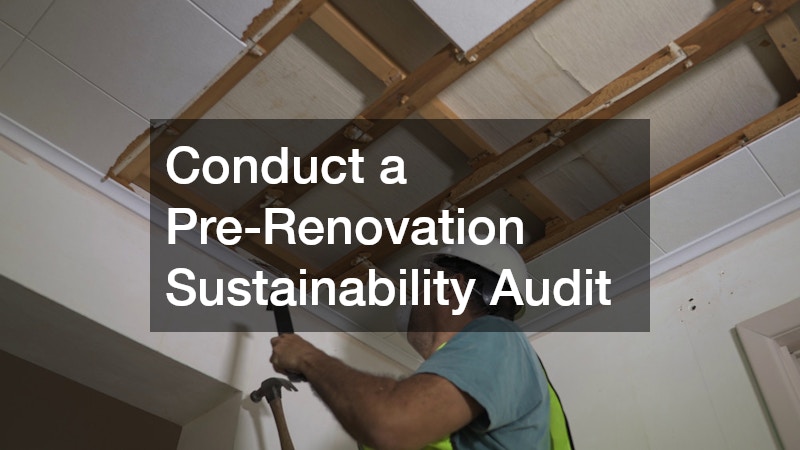
Before demolition begins or materials are ordered, a sustainability audit establishes a clear baseline for your home’s current performance. This step helps homeowners identify inefficiencies that may not be obvious and prioritize upgrades with the greatest long-term impact.
A comprehensive audit typically looks beyond energy bills and square footage. It considers how systems interact and where hidden waste occurs, especially in older homes that have undergone piecemeal upgrades over time.
By documenting these findings early, homeowners can create a renovation roadmap that addresses root problems instead of layering new solutions on top of inefficient systems.
Design With Longevity, Flexibility, and Efficiency in Mind
Sustainable renovation starts with smart design choices that reduce the need for future remodeling. A layout that adapts to changing household needs—aging in place, remote work, or growing families—prevents unnecessary material use down the road.
Design strategies that support sustainability focus on durability, simplicity, and adaptability. This often means favoring open floor plans that allow spaces to serve multiple purposes, as well as selecting finishes that age gracefully rather than chasing short-lived trends.
Many homeowners draw inspiration from contemporary residential architecture, which emphasizes clean lines, efficient use of space, and strong connections between indoors and outdoors. These principles naturally support sustainability by encouraging daylighting, cross-ventilation, and reduced material waste.
Thoughtful design decisions extend beyond aesthetics and play a key role in long-term sustainability. Positioning rooms to take advantage of natural light and seasonal sun angles can reduce reliance on artificial lighting and improve comfort throughout the year. Planning efficient storage solutions helps minimize clutter and discourages frequent renovations driven by space limitations.
In addition, choosing timeless materials that age well ensures the home remains visually appealing for years to come, reducing the likelihood of premature updates and unnecessary material waste.
When design prioritizes longevity, sustainability becomes embedded in the home rather than added on later.
Strengthen the Building Envelope to Reduce Energy Loss
A high-performing building envelope is one of the most impactful sustainability upgrades a homeowner can make. Walls, roofs, windows, and foundations work together to regulate indoor temperatures, and weaknesses in any of these areas lead to energy waste.
Improving the envelope reduces reliance on mechanical systems and helps stabilize indoor comfort year-round. This is particularly important in climates where homes depend heavily on fuels like heating oil during colder months.
Effective envelope improvements often include:
-
Upgrading insulation: Dense-pack cellulose, spray foam, or mineral wool can significantly improve thermal performance when properly installed.
-
Sealing air leaks: Caulking, weatherstripping, and gasket systems around doors, windows, and penetrations prevent drafts and moisture intrusion.
-
High-performance windows: Double- or triple-pane windows with low-emissivity coatings reduce heat transfer without sacrificing natural light.
-
Moisture management: Vapor barriers and proper flashing protect insulation and framing from long-term damage.
By addressing these components together, homeowners reduce energy demand, extend the life of mechanical systems, and create a more comfortable living environment.
Decide When Repair Makes Sense Versus Full System Replacement
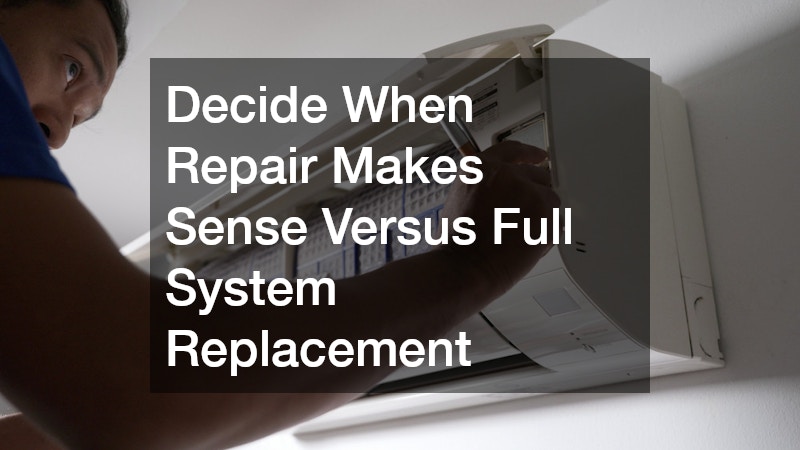
Not every sustainable renovation requires replacing existing systems. In many cases, strategic repairs can restore performance and delay costly upgrades, provided the underlying equipment is still structurally sound.
Heating and cooling systems are a prime example. A professional evaluation can determine whether targeted maintenance or ac repair will meaningfully improve efficiency. Simple fixes such as replacing worn components, recalibrating controls, or cleaning coils can reduce energy use without the environmental cost of manufacturing and installing new equipment.
Homeowners should weigh several important considerations before choosing whether to repair or replace an existing system. The age and overall condition of the equipment can indicate whether continued repairs are likely to be worthwhile or merely postpone an inevitable replacement. Availability of replacement parts is another critical factor, as obsolete or hard-to-find components can increase costs and downtime.
It is also wise to assess how well the current system will integrate with future efficiency upgrades, particularly if additional renovations are planned. Finally, estimating the system’s remaining service life helps balance immediate savings against long-term reliability and performance.
When repairs no longer deliver measurable improvements or safety becomes a concern, replacement may be the more sustainable long-term option. The key is making the decision based on performance data rather than assumptions.
Choose Skilled Professionals Who Prioritize Sustainable Performance
The success of a sustainable renovation depends heavily on the expertise of the professionals involved. Contractors who understand efficiency, system integration, and long-term performance are far more likely to deliver results that align with sustainability goals.
Working with a qualified HVAC Service provider, for example, ensures that heating and cooling upgrades are properly sized, installed, and commissioned. Oversized systems waste energy and wear out faster, while undersized ones struggle to maintain comfort.
When evaluating professionals, homeowners should look for:
-
Relevant certifications and training: Credentials related to energy efficiency, building science, or green construction indicate specialized knowledge.
-
Clear communication: Contractors should explain how their recommendations affect energy use, comfort, and operating costs.
-
Experience with similar projects: Past work on sustainable renovations demonstrates practical problem-solving skills.
-
Willingness to coordinate: Sustainability often requires collaboration between trades to avoid conflicts and redundancies.
Choosing the right professionals reduces mistakes, minimizes rework, and ensures that sustainability goals are carried through every phase of the project.
Upgrade the Roof and Exterior for Long-Term Energy Performance
The roof is one of the most exposed and influential components of a home’s energy system. Sustainable renovations treat roofing not just as weather protection, but as an opportunity to improve efficiency or even generate energy.
Advances in materials and installation techniques allow homeowners to reduce heat gain, improve insulation performance, and integrate renewable energy technologies. Proper orientation, structural assessment, and electrical planning are essential before pursuing these upgrades.
Homeowners exploring solar-integrated roofing systems often work with tesla roofing contractors who specialize in combining energy generation with durable roofing materials. These projects require careful coordination to ensure watertight installation, code compliance, and long-term performance.
Beyond energy generation, sustainable roofing also depends on material choices and construction methods that improve long-term performance. Reflective or “cool roof” materials help limit heat absorption, keeping indoor spaces more comfortable and reducing cooling demand during warmer months.
Pairing these materials with enhanced underlayment and upgraded insulation improves overall thermal stability, while selecting durable roofing products backed by long warranties helps minimize replacement cycles, reducing material waste and long-term environmental impact.
A well-planned roof upgrade delivers both environmental and financial returns over time.
Reduce Water Waste Through Smarter Plumbing and Fixtures

Water efficiency is a critical but sometimes overlooked aspect of sustainable renovation. Reducing consumption lowers utility costs, conserves local resources, and decreases the energy required to treat and transport water.
Renovations provide an ideal opportunity to upgrade fixtures and reconfigure plumbing layouts for efficiency. Even small changes can have a cumulative impact over the life of the home.
Effective water-saving strategies include:
-
Low-flow fixtures: Modern toilets, faucets, and showerheads reduce usage without sacrificing performance.
-
Efficient appliances: Dishwashers and washing machines designed for water efficiency use less per cycle.
-
Leak detection: Updating valves and connections prevents hidden losses that strain the water service infrastructure.
-
Outdoor conservation: Drip irrigation and native landscaping reduce outdoor demand.
Managing water as carefully as energy ensures that sustainability efforts address the full scope of household resource use.
Minimize Renovation Waste Through Material Planning
Construction and demolition waste account for a significant portion of landfill volume. Sustainable renovation aims to reduce this impact by planning material use carefully and prioritizing reuse whenever possible.
Before demolition, homeowners can identify materials worth salvaging, such as cabinetry, fixtures, or hardwood flooring. Many items can be donated or resold, extending their useful life and reducing demand for new products.
A structured approach to recycling during renovation helps divert materials like metal, concrete, and cardboard away from landfills. Working with contractors who understand local recycling programs makes this process more efficient and less disruptive.
Additional waste-reduction strategies focus on planning and supplier selection to minimize unnecessary disposal throughout a renovation. Ordering materials as precisely as possible helps prevent surplus products from ending up unused or discarded, while selecting modular components can significantly reduce offcut waste generated during installation.
In addition, working with suppliers that accept returns or offer packaging take-back programs ensures that excess materials and shipping waste are handled responsibly rather than sent to landfills.
Reducing waste not only benefits the environment but also lowers disposal costs and keeps renovation sites cleaner and safer.
Use Data and Smart Technology to Optimize Home Performance
Sustainable renovations don’t end when construction is complete. Ongoing monitoring and adjustment are essential to ensure systems perform as intended over time.
Smart meters, sensors, and connected controls provide homeowners with detailed insights into energy and water use. These tools make it easier to identify inefficiencies and adjust behavior accordingly.
At a broader level, technologies such as electric utility asset management software help utilities monitor infrastructure performance and balance demand. When homes are equipped with compatible smart systems, they can respond more effectively to grid conditions, reducing strain during peak periods.
Homeowners can enhance performance by:
-
Tracking usage trends: Reviewing data regularly to spot anomalies or rising consumption.
-
Automating controls: Scheduling heating, cooling, and lighting based on occupancy and time of day.
-
Integrating renewables: Coordinating solar generation with household demand.
-
Staying informed: Updating software and firmware to maintain compatibility and security.
Data-driven management turns a renovated home into an active participant in a more efficient energy ecosystem.
Choose Materials With Responsible End-of-Life Impacts
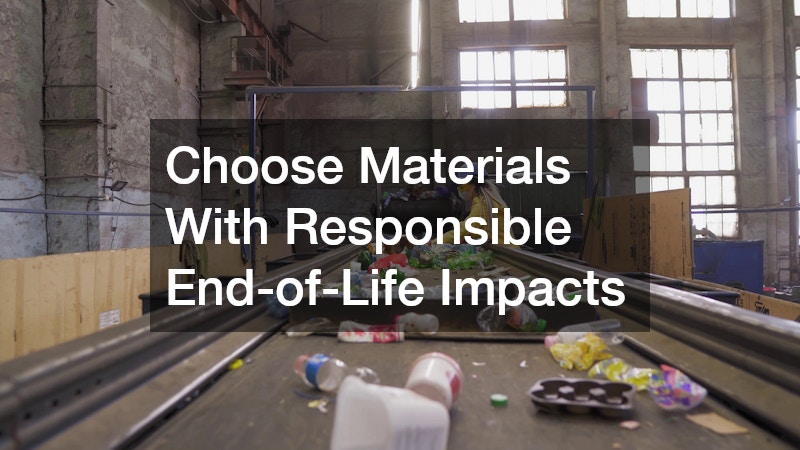
True sustainability considers what happens to materials long after installation. Products that break down safely or can be reused reduce environmental harm when they reach the end of their service life.
Understanding biodegradation helps homeowners choose materials that decompose without releasing harmful substances. Natural fibers, untreated wood, and certain bio-based composites offer alternatives to synthetic products that persist in the environment.
When evaluating materials for a sustainable renovation, it’s important to look beyond appearance and upfront cost. Understanding how products are manufactured and what chemical components they contain can reveal potential environmental or health impacts.
Homeowners should also consider the expected lifespan of materials and the maintenance they require, since longer-lasting options often reduce waste and resource use over time.
Finally, assessing whether materials can be reused, recycled, or safely disposed of at the end of their service life helps ensure that today’s renovation choices do not create unnecessary environmental burdens in the future.
Selecting materials with responsible end-of-life characteristics ensures that today’s renovation doesn’t become tomorrow’s environmental burden.
Renovating a home for sustainability is a long-term investment in comfort, efficiency, and environmental responsibility. By approaching the process holistically—considering design, systems, materials, and ongoing performance—homeowners can make choices that deliver lasting value while reducing their ecological footprint.
From careful planning and professional collaboration to smart technology and thoughtful material selection, each decision contributes to a home that performs better today and adapts more easily to the future. Sustainable renovation is not about perfection, but about progress—making informed, intentional improvements that benefit both your household and the world beyond it.