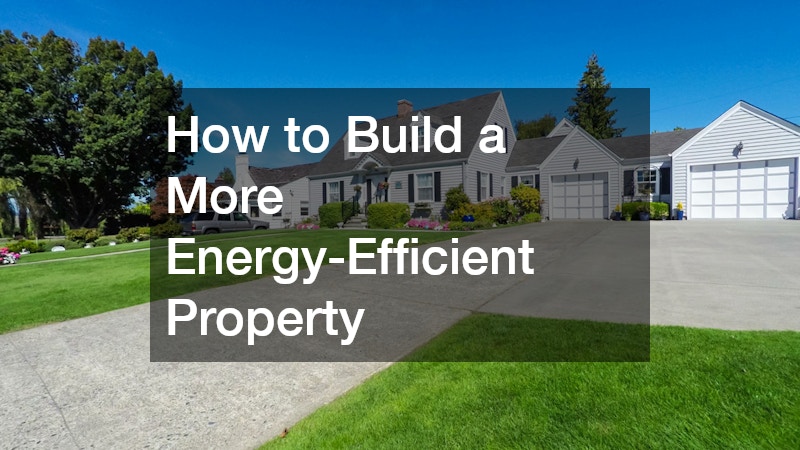

Creating a more energy-efficient property is one of the smartest investments homeowners can make. A well-planned approach can lower utility costs, improve indoor comfort, reduce environmental impact, and increase a home’s long-term value. While many people think of energy efficiency as simply replacing light bulbs or installing a smart thermostat, meaningful improvements often involve evaluating the entire property—from the roof and exterior walls to plumbing systems, landscaping, and future renovations.
The most successful projects focus on how different parts of a home work together. Better insulation, efficient mechanical systems, thoughtful landscaping, and careful maintenance all contribute to lower energy consumption year-round. Whether you’re planning a major remodel or tackling upgrades one step at a time, understanding where to invest your time and budget can help you achieve lasting results.
Start With a Whole-Home Energy Assessment
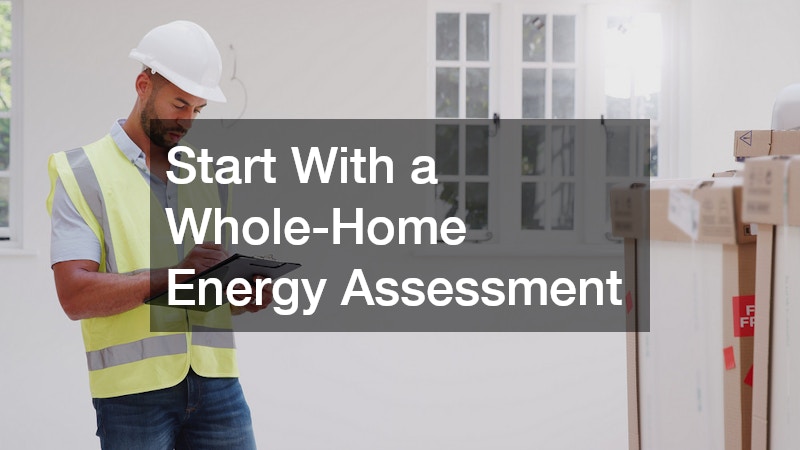
Before making improvements, it’s important to understand how your home currently performs. Every property has unique strengths and weaknesses, and an energy assessment provides a clear picture of where energy is being wasted.
Professional assessments often include inspections of insulation, ventilation, air leakage, windows, heating and cooling systems, and overall building performance. Many also include blower door testing and thermal imaging to identify hidden issues.
Working with a roofing contractor during an inspection can help determine whether your roof contributes to heat gain during summer or heat loss during winter. Damaged roofing materials, poor ventilation, or aging insulation can all reduce energy efficiency.
A qualified window contractor can also evaluate whether existing windows are allowing unwanted air infiltration or excessive solar heat gain.
In addition to identifying current problems, an energy assessment establishes a baseline for future improvements. This allows homeowners to compare utility usage before and after upgrades, making it easier to determine which projects deliver the greatest return. A thorough evaluation may also uncover issues that are not immediately visible, such as insulation that has settled over time, blocked ventilation pathways, or minor leaks that gradually increase energy consumption. Addressing these concerns early can help prevent more extensive repairs while improving the home’s overall efficiency.
Keep in mind that some problems are interconnected. For example, poor attic ventilation may increase cooling costs during the summer while also contributing to excess moisture during colder months. Similarly, air leaks around windows and doors can force heating and cooling systems to work harder, reducing their efficiency and shortening their lifespan. Looking at the entire property as a system rather than evaluating each component separately often leads to better long-term decisions.
During an assessment, prioritize identifying:
- Air leaks around doors and windows
- Inadequate attic insulation
- Moisture issues
- Poor ventilation
- Aging mechanical equipment
- Drafty areas throughout the home
- Areas with inconsistent indoor temperatures
After identifying problem areas, rank improvements according to:
- Potential energy savings
- Project cost
- Expected lifespan
- Maintenance requirements
- Overall impact on home comfort
Creating a written list of recommended upgrades can also help homeowners develop a realistic improvement timeline. Some projects may be inexpensive weekend tasks, while others require professional installation or long-term budgeting. Organizing projects by urgency and expected benefits helps ensure resources are used effectively and prevents important issues from being overlooked.
Starting with accurate information helps prevent spending money on upgrades that provide minimal benefits.
Improve Your Home’s Exterior to Reduce Energy Loss
The building envelope plays a major role in maintaining indoor temperatures. Walls, insulation, exterior finishes, and protective coatings all influence how efficiently your home retains conditioned air.
Experienced siding contractors can recommend materials and installation methods that improve insulation while protecting against moisture intrusion. Modern siding systems often include insulated backing and weather-resistant barriers that help reduce unwanted air movement.
Exterior finishes can also contribute to energy efficiency. Local painting contractors may recommend reflective or specialized coatings designed to reduce heat absorption while protecting surfaces from weather damage.
It’s also important to inspect the exterior of your home regularly for signs of wear. Even small cracks, loose panels, or deteriorating sealants can allow air and moisture to enter the home, reducing energy efficiency and potentially leading to more expensive repairs over time. Performing seasonal inspections, especially after severe weather, helps identify problems before they become significant.
When selecting exterior materials, consider both their insulating properties and long-term durability. High-quality products may have a higher upfront cost, but they often require less maintenance and provide better protection against temperature fluctuations. Choosing materials appropriate to your local climate can further improve your home’s performance by minimizing heat transfer and resisting moisture damage.
Pay close attention to the areas where different building materials meet, such as around windows, doors, utility penetrations, and rooflines. These transition points are common locations for air leaks. Proper sealing with weather-resistant products can help maintain a more consistent indoor temperature while reducing the workload placed on heating and cooling systems.
When improving your home’s exterior, consider:
- Sealing cracks around trim
- Replacing damaged exterior materials
- Upgrading insulation beneath siding
- Repairing deteriorated caulking
- Installing weather-resistant barriers
- Using lighter exterior colors in warmer climates when appropriate
- Maintaining painted surfaces to extend material life
- Inspecting exterior surfaces after major storms
- Replacing worn weatherstripping around doors
- Checking for signs of water intrusion near windows and siding
Routine maintenance should be viewed as an investment rather than an expense. Keeping exterior materials in good condition helps preserve insulation performance, protects structural components, and extends your home’s exterior lifespan. Even relatively small maintenance projects completed on a regular schedule can improve comfort, reduce energy loss, and delay the need for larger renovations.
Small improvements throughout the home’s exterior often work together to produce noticeable reductions in heating and cooling demands.
Upgrade Heating and Cooling Systems for Maximum Efficiency
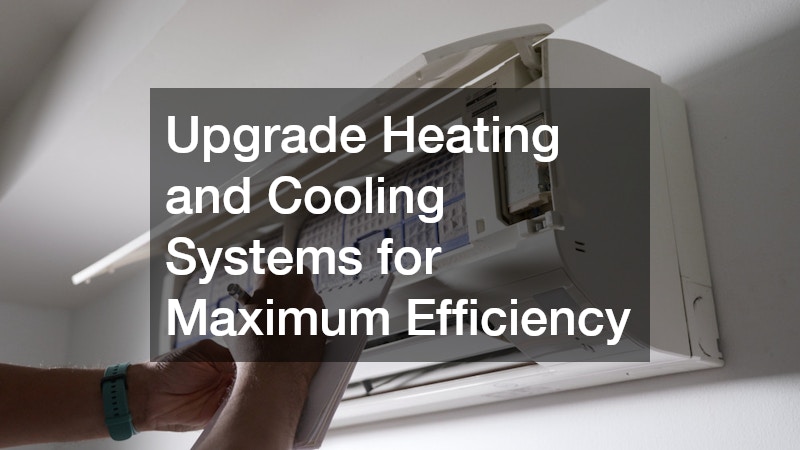
Heating and cooling typically account for a large share of household energy use. Even a well-insulated home can waste energy if HVAC equipment is outdated or poorly maintained.
Heating contractors can evaluate existing systems and recommend equipment sized appropriately for the home’s square footage. Oversized systems often cycle too frequently, while undersized units struggle to maintain comfortable temperatures.
Electrical contractors also play an important role in improving efficiency by upgrading wiring for modern HVAC equipment, installing smart thermostats, improving electrical panels when necessary, and ensuring systems operate safely.
As HVAC technology continues to evolve, many newer systems are designed to operate more efficiently while providing better temperature control. Variable-speed motors, high-efficiency heat pumps, and zoning systems can help reduce energy consumption by adjusting output to the home’s current heating or cooling needs rather than operating at full capacity all the time. Choosing equipment that matches your home’s size and layout is just as important as selecting a high-efficiency model.
Proper airflow throughout the home is another critical factor. Furniture placed over vents, clogged return air grilles, or poorly balanced ductwork can prevent conditioned air from circulating effectively. When airflow is restricted, heating and cooling equipment must work harder to maintain comfortable indoor temperatures, increasing both energy use and system wear.
Homeowners can improve HVAC efficiency by:
- Replacing dirty air filters regularly
- Scheduling annual inspections
- Cleaning air ducts when needed
- Sealing duct leaks
- Installing programmable thermostats
- Improving attic insulation
- Keeping outdoor equipment free of debris
Additional strategies include:
- Using ceiling fans to improve air circulation
- Closing blinds during peak summer sunlight
- Opening curtains during winter days to capture natural heat
- Maintaining recommended thermostat settings
- Avoiding blocked air vents
- Keeping interior doors open when appropriate to improve airflow
- Checking refrigerant levels if recommended by a qualified technician
- Cleaning around outdoor condenser units to maintain proper airflow
Humidity also plays an important role in indoor comfort. Excess humidity during warmer months can make a home feel hotter than it actually is, while overly dry air during winter can reduce comfort even when temperatures are adequate. Maintaining balanced humidity levels allows occupants to remain comfortable without relying as heavily on heating or cooling equipment.
Preventive maintenance should be viewed as an ongoing part of homeownership rather than a one-time task. Keeping detailed records of inspections, repairs, and equipment servicing can help identify recurring issues before they become major problems. Well-maintained systems generally operate more efficiently, experience fewer unexpected breakdowns, and provide more consistent comfort year-round.
Regular maintenance often extends equipment life while reducing unnecessary energy consumption.
Reduce Water Waste With Smarter Plumbing Solutions
Water conservation and energy efficiency often go hand in hand. Heating water requires energy, so reducing unnecessary water use can lower utility bills in multiple ways.
Plumbing contractors can identify outdated fixtures, hidden leaks, inefficient water heaters, and aging pipes that contribute to unnecessary water and energy waste.
Some of the most effective upgrades include:
- Low-flow showerheads
- Water-efficient faucets
- Dual-flush toilets
- Tankless water heaters, when appropriate
- Well-insulated hot water pipes
- High-efficiency traditional water heaters
Simple maintenance habits also make a difference:
- Repair dripping faucets promptly
- Monitor monthly water usage
- Insulate exposed pipes
- Flush water heaters according to manufacturer’s recommendations
- Check outdoor faucets for leaks
Reducing hot water demand lowers both water consumption and the energy required to heat it, making these improvements especially valuable over time.
Design Renovations That Support Long-Term Energy Savings
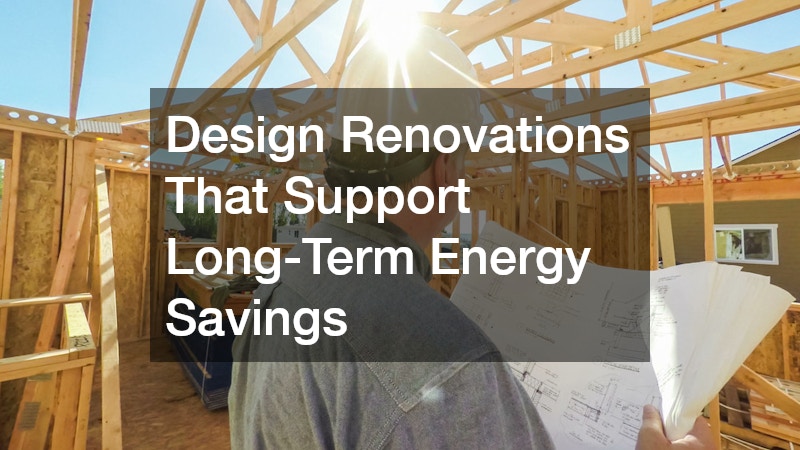
Major remodeling projects offer an excellent opportunity to incorporate energy-efficient design features from the outset rather than adding them later.
Home addition contractors can help homeowners plan new spaces that improve efficiency rather than increase long-term operating costs.
When designing additions or major renovations, consider:
- High-performance insulation
- Proper air sealing
- Energy-efficient windows
- Natural daylight placement
- Strategic room orientation
- Modern ventilation systems
- Efficient building materials
During planning, avoid common mistakes such as:
- Oversizing new spaces unnecessarily
- Ignoring insulation details
- Installing mismatched HVAC equipment
- Forgetting future maintenance access
- Choosing materials based only on initial cost
A thoughtful design process often reduces future utility expenses while creating more comfortable living spaces.
Use Landscaping to Naturally Improve Home Efficiency
Outdoor improvements can significantly affect indoor temperatures year-round. Proper landscaping reduces heat gain, improves drainage, and creates more comfortable outdoor environments.
Experienced landscaping contractors understand how plant placement affects sun exposure and airflow around a home.
Consider incorporating:
- Shade trees on western exposures
- Native plants suited to local conditions
- Drought-tolerant landscaping
- Ground cover that reduces soil temperatures
- Windbreaks where appropriate
- Rain gardens for improved drainage
Additional landscaping practices include:
- Keeping shrubs trimmed away from siding
- Avoiding vegetation that blocks ventilation openings
- Using mulch to retain soil moisture
- Reducing unnecessary irrigation
- Planting trees with mature growth in mind
Strategic landscaping can naturally reduce cooling demands while supporting sustainable property management.
Create Outdoor Living Spaces That Complement Energy Goals
Outdoor living areas should be designed with both functionality and sustainability in mind. A carefully planned deck or patio can provide additional usable space while helping manage sun exposure around the home.
Working with a deck contractor allows homeowners to design structures that complement existing architecture while incorporating durable, low-maintenance materials.
Energy-conscious outdoor design ideas include:
- Pergolas for seasonal shade
- Covered seating areas
- Sustainable decking materials
- Proper drainage beneath structures
- Solar-powered outdoor lighting
- Efficient outdoor ceiling fans
- Native plant borders around gathering spaces
When selecting materials, consider:
- Long-term durability
- Required maintenance
- Resistance to weather
- Recycled material content
- Expected lifespan
Thoughtful outdoor improvements enhance comfort while supporting broader sustainability goals.
Combine Upgrades Into a Long-Term Energy Improvement Plan
Energy efficiency is rarely achieved through a single project. Instead, lasting improvements come from making informed decisions over time and prioritizing upgrades based on the home’s greatest needs.
Creating a long-term plan helps homeowners spread costs over several years while maximizing the effectiveness of each improvement.
A practical improvement strategy may include:
- Completing an energy assessment
- Addressing air leaks first
- Improving insulation
- Replacing aging mechanical equipment
- Upgrading windows when needed
- Improving water efficiency
- Investing in sustainable exterior improvements
- Maintaining all systems regularly
Track your progress by monitoring:
- Monthly utility bills
- Seasonal energy usage
- Indoor comfort levels
- Maintenance expenses
- Equipment performance
- Water consumption
As technology evolves, additional opportunities for energy savings may become available. Reviewing your home’s performance every few years allows you to identify new improvements that align with changing needs and available technologies.
Rather than focusing only on large renovation projects, continue making smaller improvements whenever possible. Replacing worn weatherstripping, maintaining equipment, sealing gaps, and upgrading fixtures over time all contribute to better overall efficiency.
Building a more energy-efficient property involves looking at your home as a complete system rather than a collection of separate projects. Improvements to insulation, mechanical systems, water conservation, landscaping, and future renovations all work together to create a more comfortable and sustainable living environment.
By evaluating your property’s current performance, prioritizing high-impact upgrades, and regularly maintaining systems, you can reduce energy consumption while improving long-term comfort and value. Whether you’re making gradual improvements or planning a comprehensive renovation, thoughtful decisions today can deliver benefits for many years to come.