
Sustainable home upgrades are no longer limited to environmentally focused homeowners—they are increasingly becoming practical, cost-saving decisions for anyone looking to improve efficiency and long-term value. Rising utility costs, growing awareness of environmental impact, and advances in home technology have made energy- and water-conscious improvements more accessible than ever. Whether you live in a suburban family home, a compact urban residence, or a rural property, reducing waste benefits both your household budget and the environment.
This guide explores practical, real-world strategies homeowners can use to reduce energy and water waste. Each section focuses on a specific area of improvement, offering both actionable advice and broader context to help readers make informed decisions. By approaching sustainability as an ongoing process rather than a one-time project, homeowners can create living spaces that are efficient, resilient, and environmentally responsible for years to come.
Modernize Electrical Infrastructure to Support Efficient Living
Older electrical systems can quietly undermine a home’s energy efficiency. Many were designed decades ago, long before modern appliances, smart technology, and renewable energy solutions became common. As a result, outdated panels may struggle to distribute power efficiently, leading to wasted energy, safety concerns, and limitations on future upgrades.
One major improvement homeowners consider is an electric panel replacement when their existing system can no longer safely or efficiently support their household’s electrical demands. This upgrade allows homes to accommodate energy-efficient appliances, electric vehicle chargers, and solar connections without overloading circuits.
Key benefits of upgrading electrical infrastructure include:
- Improved energy distribution and reduced power loss
- Increased safety through modern circuit protection
- Capacity to support energy-efficient technologies
- Better long-term adaptability for future upgrades
Beyond safety, a modern electrical system helps homeowners manage energy use more intelligently. Smart meters, programmable devices, and energy-monitoring tools function best when supported by updated infrastructure. This enables households to track consumption patterns, identify inefficiencies, and make targeted adjustments that reduce waste.
Planning an electrical upgrade should involve an assessment of current usage and future goals. Homes transitioning toward electrification—such as replacing gas appliances or adding renewable energy—benefit significantly from proactive infrastructure improvements. By modernizing electrical systems early, homeowners avoid reactive upgrades later, saving money and reducing material waste over time.
Choose Roofing Solutions That Reduce Heat Gain and Loss
A home’s roof plays a critical role in regulating indoor temperature and overall energy efficiency. Poor roofing materials or aging structures can allow heat to escape during winter and trap excess heat during summer, forcing HVAC systems to work harder and consume more energy.
Sustainable roofing choices focus on durability, insulation performance, and reflectivity. Working with a metal roof contractor allows homeowners to explore options that offer long service life, recyclability, and superior thermal performance compared to traditional materials.
Sustainable roofing considerations include:
- Reflective coatings to reduce heat absorption
- Durable materials that reduce replacement frequency
- Proper insulation to minimize temperature fluctuations
- Ventilation systems that prevent heat buildup
Metal roofing, in particular, supports energy efficiency by reflecting sunlight and maintaining stable indoor temperatures. Its longevity reduces landfill waste associated with frequent replacements, making it a strong long-term investment. When paired with proper insulation, these systems significantly lower heating and cooling demands.
Roof upgrades also present opportunities to integrate rainwater management and solar-ready designs. Even without immediate renewable installations, choosing materials and layouts that support future sustainability goals increases a home’s adaptability. By prioritizing roofing efficiency, homeowners address one of the most impactful areas of energy waste in residential buildings.
Improve Plumbing Efficiency to Cut Water Waste at the Source
Water waste often originates behind walls and beneath floors, making it easy to overlook until problems become severe. Leaks, outdated fixtures, and inefficient layouts can waste thousands of gallons annually without obvious warning signs.
Partnering with local plumbers allows homeowners to identify hidden inefficiencies and address them proactively. Professionals can assess system pressure, fixture performance, and pipe integrity to recommend targeted upgrades that reduce waste.
Effective plumbing improvements include:
- Installing low-flow fixtures without sacrificing performance
- Repairing hidden leaks and aging pipe connections
- Optimizing water pressure to reduce excess flow
- Updating layouts to shorten hot water delivery times
Water-efficient plumbing benefits extend beyond conservation. Reduced water usage lowers utility bills, minimizes strain on water heaters, and decreases the risk of moisture-related damage. These upgrades also improve consistency and comfort throughout the home.
Regular plumbing inspections are a key component of sustainable maintenance. Catching minor issues early prevents larger repairs that require more materials and labor. By focusing on efficiency rather than emergency fixes, homeowners reduce both water waste and long-term costs.
Design Smaller Living Spaces That Naturally Use Fewer Resources
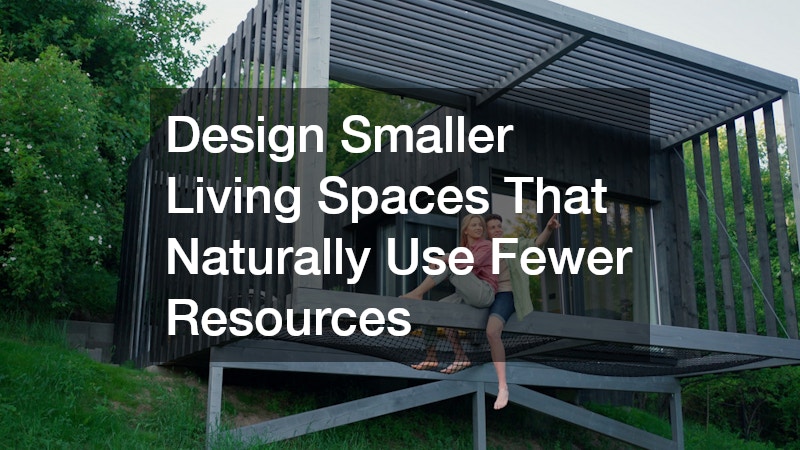
Smaller homes inherently consume fewer resources, making thoughtful space design a powerful sustainability strategy. A tiny home exemplifies how efficient layouts, multifunctional furniture, and intentional living reduce energy and water demands without sacrificing comfort.
Even homeowners in larger houses can apply these principles. Designing spaces that serve multiple purposes reduces the need for excessive heating, cooling, and lighting. Efficient layouts also shorten plumbing and electrical runs, reducing material usage and energy loss.
Key design strategies include:
- Multi-use rooms that reduce overall square footage
- Compact appliances designed for efficiency
- Strategic window placement for natural lighting
- Zoning systems to limit heating and cooling to occupied areas
Smaller living spaces encourage mindful consumption. When storage and space are limited, homeowners tend to prioritize quality over quantity, leading to fewer appliances, furnishings, and energy-draining devices. This shift naturally supports sustainability goals.
By embracing space efficiency, homeowners can significantly lower their environmental footprint. Whether through downsizing or redesigning existing layouts, intentional space planning remains one of the most effective long-term sustainability strategies.
Optimize Hot Water Systems for Lower Energy Consumption
Hot water usage represents a major portion of household energy consumption. Inefficient systems waste energy by overheating, cycling unnecessarily, or losing heat through poorly insulated pipes.
Professional water heater services help homeowners evaluate system performance and identify opportunities for improvement. Whether through maintenance, upgrades, or usage adjustments, optimizing hot water systems delivers immediate efficiency gains.
Common efficiency improvements include:
- Insulating tanks and hot water pipes
- Adjusting temperature settings to safe, efficient levels
- Scheduling regular system maintenance
- Upgrading to high-efficiency or on-demand systems
Efficient hot water systems reduce energy waste while maintaining comfort. Proper maintenance ensures consistent performance and prevents premature failures that require full replacement. These improvements also reduce strain on electrical or gas systems, contributing to overall home efficiency.
Water usage habits play a role as well. Shorter showers, efficient appliances, and mindful scheduling reduce demand without sacrificing convenience. Combined with system optimization, these habits produce meaningful energy and water savings over time.
Improve Water Quality While Reducing Consumption
Access to clean water is essential, but relying heavily on bottled water creates unnecessary plastic waste and energy consumption. Installing home-based water filtration systems allows households to improve water quality while reducing environmental impact.
Filtration systems remove contaminants at the source, supporting healthier drinking water and reducing reliance on single-use plastics. When maintained properly, these systems operate efficiently and last for years.
Benefits of home filtration systems include:
- Reduced bottled water consumption
- Improved taste and odor of tap water
- Long-term cost savings
- Lower environmental impact
Efficient filtration supports sustainability when paired with mindful water use. Choosing systems sized appropriately for household needs prevents overuse and waste. Routine maintenance ensures filters operate effectively without excessive replacements.
By improving water quality at home, homeowners support both health and environmental goals. This approach aligns convenience with sustainability, making it easier to maintain eco-friendly habits long term.
Address Moisture Issues to Protect Efficiency and Health
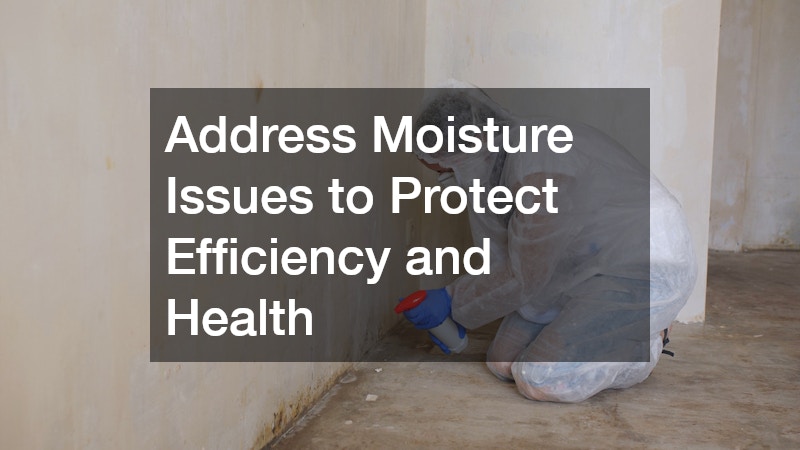
Moisture problems compromise both energy efficiency and indoor air quality. Damp environments reduce insulation effectiveness, increase heating and cooling demands, and create conditions for biological growth.
Early mold remediation prevents these issues from escalating into major structural and health concerns. Addressing moisture sources quickly preserves materials and reduces the need for extensive repairs.
Preventive moisture strategies include:
- Sealing leaks and improving drainage
- Enhancing ventilation in humid areas
- Using moisture-resistant materials
- Monitoring indoor humidity levels
Dry, well-sealed homes maintain stable temperatures more efficiently. Insulation performs better, HVAC systems work less, and indoor air quality improves. These benefits directly reduce energy waste while protecting occupant health.
Prevention is the most sustainable approach. By resolving moisture issues early, homeowners avoid large-scale remediation projects that consume significant resources and generate waste.
Reduce Project Waste Through Smarter Material Planning
Home improvement projects often generate unnecessary waste due to poor coordination and excess materials. Efficient planning minimizes surplus, reduces transportation emissions, and shortens project timelines.
Using a same day delivery service allows homeowners and contractors to order precisely what is needed when it is needed. This approach reduces overordering and storage-related damage.
Waste-reduction strategies include:
- Accurate material measurements
- Just-in-time delivery scheduling
- Coordinating project phases efficiently
- Reusing surplus materials when possible
Efficient logistics reduce environmental impact while improving project flow. Fewer deliveries mean lower emissions, and reduced storage minimizes material degradation.
Thoughtful planning supports sustainability without increasing complexity. By focusing on efficiency at every stage, homeowners can complete upgrades with less waste and better outcomes.
Maintain Outdoor Spaces With Conservation in Mind
Traditional landscaping often prioritizes appearance over sustainability, leading to excessive water use and chemical treatments. Modern lawn care services increasingly offer eco-conscious alternatives that support conservation.
Sustainable landscaping focuses on soil health, native plants, and efficient irrigation. These approaches reduce water waste while maintaining attractive outdoor spaces.
Eco-friendly landscaping practices include:
- Drought-tolerant plant selection
- Efficient irrigation systems
- Organic soil treatments
- Seasonal maintenance planning
Healthy landscapes require fewer inputs over time. Native plants adapt better to local conditions, reducing water and chemical needs. Proper maintenance ensures long-term sustainability without sacrificing curb appeal.
Outdoor efficiency complements indoor upgrades, creating a holistic approach to sustainability. Together, these efforts significantly reduce overall water consumption.
Reuse Water Systems to Minimize Outdoor Waste
Pools and water features can be significant sources of water loss if not managed properly. Evaporation, backwashing, and overflow contribute to unnecessary waste.
Implementing pool water recycling strategies helps conserve resources while maintaining functionality. These systems reuse filtered water and reduce the need for frequent refills.
Effective pool conservation techniques include:
- Evaporation-reducing covers
- Efficient filtration systems
- Controlled backwashing schedules
- Water reuse for landscaping, where appropriate
Water reuse reduces strain on municipal supplies and lowers utility costs. Proper system maintenance ensures water quality remains safe and usable.
By managing outdoor water systems responsibly, homeowners extend sustainability efforts beyond the home’s interior, maximizing conservation benefits.
Creating a more sustainable home does not require radical lifestyle changes or overwhelming renovations. Instead, it involves making informed, intentional upgrades that reduce energy and water waste while improving comfort and reliability. By focusing on efficiency, prevention, and thoughtful planning, homeowners can achieve meaningful environmental benefits alongside long-term cost savings.
Each area of the home presents opportunities for improvement. Electrical systems, roofing, plumbing, and hot water usage all play critical roles in overall efficiency. Addressing these components proactively reduces waste before it becomes costly or damaging. Preventive maintenance, in particular, offers one of the highest returns on investment, preserving existing systems while extending their lifespan.
Sustainability also extends beyond the home’s interior. Outdoor spaces, water features, and project planning all influence environmental impact. Efficient landscaping, responsible water reuse, and reduced material waste contribute to a more balanced and resource-conscious property. When indoor and outdoor strategies align, the cumulative effect becomes significant.
Perhaps most importantly, sustainable home improvement is an ongoing process. Needs change, technology evolves, and opportunities for improvement continue to emerge. By approaching upgrades with flexibility and long-term thinking, homeowners can adapt over time without unnecessary disruption or expense.
Ultimately, reducing energy and water waste benefits everyone. It lowers household costs, preserves natural resources, and creates healthier living environments. With thoughtful choices and strategic improvements, homeowners can build spaces that are not only efficient but resilient—ready to meet future demands while minimizing their environmental footprint.