

Purchasing a residential property marks one of the most substantial financial investments an individual will ever make throughout their lifetime. While standard pre-purchase home inspections offer a helpful high-level overview of a building, they rarely analyze specialized mechanical, structural, and utility systems in complete detail. A general inspector typically operates on a broad level, flagging obvious visible defects while leaving intricate diagnostic tests to licensed trade specialists. Consequently, new property owners often face unexpected, costly repair bills during their first year of occupancy.
Establishing a comprehensive proactive maintenance strategy requires bringing in skilled trade contractors to perform dedicated evaluations. By conducting a systematic trade audit immediately after closing, buyers can identify hidden vulnerabilities, optimize monthly energy efficiency, and protect structural integrity long before minor flaws escalate into catastrophic failures. Executing this disciplined approach safeguards personal finances while ensuring genuine long-term peace of mind in a new living space. Taking the time to understand how various house systems function together allows homeowners to prioritize necessary repairs effectively, budget accurately for future upgrades, and protect their physical investment from gradual wear and tear over many decades of ownership.
Overhead Structural Safety and Roof Assessment
A roof serves as the primary shield against harsh weather elements, yet standard pre-sale inspections often view it strictly from ground level with basic binoculars. Scheduling a qualified roofer allows for a thorough, hands-on examination of shingle condition, flashing around chimneys, valley seals, and attic ventilation channels. Over time, subtle roof damage creates unseen pathways for moisture intrusion that rots structural wooden framing and ruins insulation long before an obvious leak appears on an interior ceiling.
During an in-depth rooftop inspection, experienced roofing professionals search for subtle granule loss on asphalt shingles, hairline fractures in slate or concrete tiles, and failing sealant surrounding plumbing vent stacks. Attic spaces receive equal attention during this evaluation. Improper attic ventilation traps excess heat and humidity, which drastically shortens the operational lifespan of roofing materials while driving up summer air conditioning costs. Identifying minor flashing gaps or missing shingles early prevents extraordinarily expensive structural timber repairs down the line. A properly maintained roof system preserves thermal insulation, protects internal drywall from moisture damage, and safeguards personal property stored inside upper levels. In addition, checking ice dam protection along roof eaves prevents severe winter water backups in colder northern climates. Regular inspection routines help owners detect subtle structural changes early.
Exterior Drainage and Foundation Protection
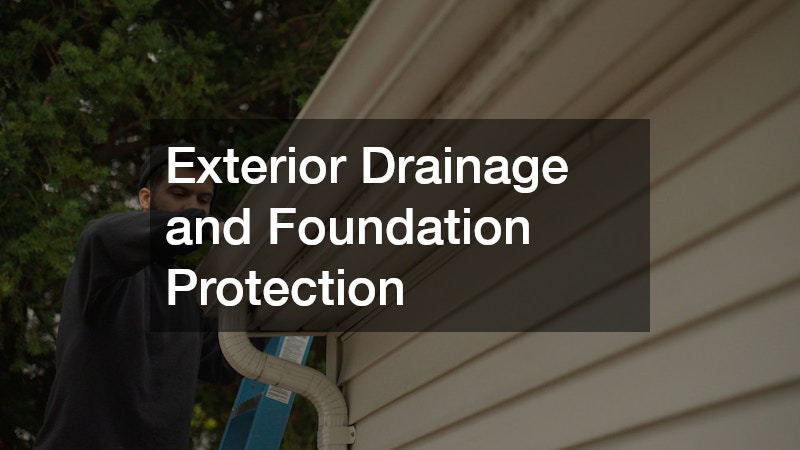
Roofing systems depend entirely on effective drainage pathways to channel rainwater and melting snow safely away from foundation walls and exterior siding. Hiring a dedicated contractor for gutter services guarantees that these critical runoff networks function flawlessly during heavy rainstorms. Clogged, sagging, or incorrectly pitched gutters cause heavy overflow that pools around foundation walls, causing basement dampness, severe soil erosion, and concrete cracking.
Specialists evaluate overall channel capacity, seam integrity, and downspout extension distances to confirm that water empties far away from the building footprint. Upgrading to seamless aluminum gutters, heavy-duty hidden hangers, and protective leaf guards can dramatically reduce routine cleaning demands. Ensuring continuous water flow off the roof edge protects exterior walls from splashback decay and prevents hydraulic soil pressure from accumulating against basement walls. Consistent drainage management keeps foundation soils stable, prevents water seepage in lower levels, and protects perimeter landscaping investments. Taking steps to realign mispitched gutter sections ensures water moves swiftly into downspouts rather than spilling over channel margins during severe summer storms. Routine cleaning ensures clear pathways during extreme weather events.
Tree Hazards and Vegetation Clearance
Mature trees enhance property curb appeal and offer welcome shade during hot summer months, but overgrown branches or decaying root systems pose significant hazards to residential structures. Arranging a professional consultation with a certified tree removal service helps property owners identify compromised limbs, invasive root patterns, and diseased trees that could fall during sudden high winds.
Arborists carefully assess canopy density and check for hidden signs of internal rot, fungal growth, or insect infestations. Tree branches rubbing against roof shingles act like sandpaper, wearing away protective surfaces, while invasive roots penetrating underground sewer pipes can disrupt domestic water flow. Proactive trimming or selective tree removal eliminates dangerous physical hazards before severe winter storms or spring squalls cause catastrophic property damage. Maintaining proper clearance between tree canopies and building structures prevents unexpected storm damage, protects roof shingles from premature decay, and preserves healthy sunlight exposure around the property. Eliminating deadwood or dangerous overhangs reduces potential liability while preserving healthy landscape balance for years to come. Proper canopy care preserves structural boundaries safely.
Electrical Panel Capacity and Wiring Security

Modern households depend heavily on electricity, powering everything from complex home theater systems to electric vehicle chargers and central air units. Contracting licensed electricians to review main panel capacity, system grounding, and outlet wiring safety protects against unexpected electrical fires and sudden power interruptions. Older homes frequently feature outdated breaker boxes or unsafe wiring practices that fail modern municipal building codes.
Licensed specialists test outlet grounding throughout every room, inspect breaker boxes for double-tapped wires, and evaluate total electrical capacity against modern household energy usage. They also verify the presence and function of ground fault circuit interrupters in kitchens, bathrooms, garages, and outdoor locations. Upgrading an outdated panel ensures safe, steady power distribution and comfortably accommodates future electrical appliances without safety risks. Ensuring electrical safety gives property owners confidence when running high-draw equipment, charging modern battery systems, and running heating or cooling units continuously. Professional evaluations also identify aluminum wiring, ungrounded two-prong outlets, or overloaded circuits needing prompt remediation to ensure complete household safety.
Main Line Plumbing and Drain Integrity
Plumbing failures cause some of the most expensive and distressing property damage imaginable for a homeowner. Requesting a thorough mechanical inspection from an experienced plumber provides clear insight into internal pipe health, main sewer connections, and indoor drainage performance. A specialized high-definition camera scope inserted into the main sewer line reveals hidden tree root intrusion, cracked pipes, or bellied lines that cause unexpected, messy backups.
Comprehensive plumbing trade audits also measure water pressure throughout the structure, as excessively high pressure wears out internal valves, faucets, and appliance hoses prematurely. Technicians verify main supply pipe materials, checking for obsolete galvanized steel or polybutylene lines that are prone to sudden leaks. Addressing minor pipe corrosion, slow drains, and pressure spikes early keeps clean water moving properly throughout the property. Preventive plumbing diagnostics save thousands of dollars in emergency service calls, wall restoration, and mold cleanup. Checking main shut-off valves ensures homeowners can quickly isolate water lines during emergency pipe repairs or scheduled maintenance.
Climate Control and Thermal System Efficiency
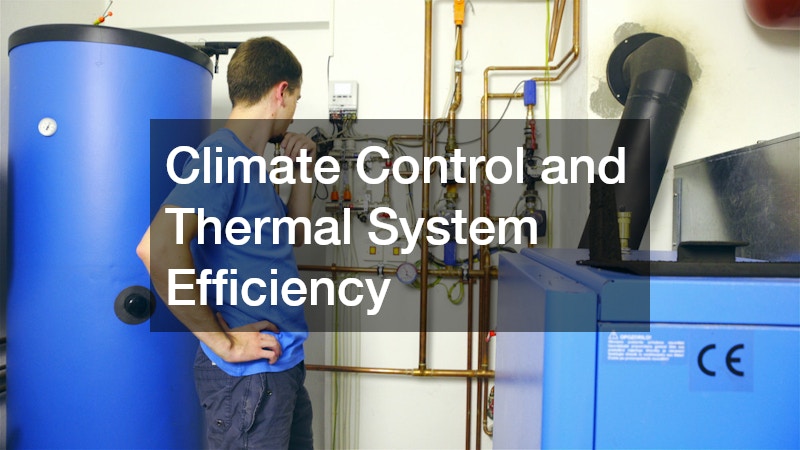
A home’s heating and cooling equipment accounts for the single largest portion of annual household utility expenditures. Booking a comprehensive mechanical check for the HVAC system guarantees year-round indoor thermal comfort and optimal operating efficiency. Experienced technicians evaluate heat exchangers, refrigerant levels, blower motor output, electrical connections, and ductwork air seals.
Leaky supply and return duct networks waste significant conditioned air into unconditioned attics, crawlspaces, or wall cavities, quietly driving up monthly energy bills. Technicians clean internal coils, calibrate digital thermostats, and verify proper venting of dangerous combustion gases like carbon monoxide. Regular professional servicing extends equipment operational life, reduces monthly utility costs, and maintains healthy indoor air quality for everyone inside. Maintaining clean, balanced airflow reduces wear on mechanical motors and keeps indoor temperatures consistent across every room in the house. Detailed inspections also uncover clogged condensate drain lines that might otherwise overflow and damage finished floors or interior drywall. Modern high-efficiency systems maintain steady temperatures effortlessly.
Water Heating Efficiency and Pressure Maintenance
Reliable hot water remains central to daily household hygiene, dishwashing, and laundry operations. Scheduling dedicated water heater service ensures that traditional tank units or modern tankless heaters operate safely and efficiently. Over time, heavy mineral sediment settles at the bottom of standard tank heaters, forming an insulating barrier that forces the unit to work harder and consume significantly more energy.
Service technicians flush accumulated sediment, inspect protective sacrificial anode rods that prevent interior tank corrosion, and test pressure relief valves to prevent hazardous pressure spikes. For tankless units, technicians flush internal heat exchangers to remove scale buildup and restore original hot water flow rates. Maintaining these key appliances prevents sudden catastrophic tank ruptures and maximizes total operational lifespan. Timely servicing guarantees reliable temperature control, reduces energy consumption, and protects floor finishes near water heaters from unexpected leaks. Checking expansion tanks ensures heating pressure changes are absorbed safely within closed household plumbing systems. Routine checks protect domestic hot water consistency.
Water Filtration and Supply Quality

Municipal water supplies and private wells frequently carry dissolved minerals, chlorine, heavy metals, or sulfur compounds that harm taste, produce unpleasant odors, and damage household fixtures. Installing a quality home water filtration system protects internal plumbing, bathroom tile, and major appliances from aggressive mineral scale deposits.
Water quality specialists perform tests on incoming supply lines for total dissolved solids, hardness parameters, and potential chemical contaminants before recommending tailored purification hardware. Whole-house filtration units improve daily drinking water quality while preventing mineral crust from clogging internal plumbing valves, extending the useful service life of dishwashers, clothes washers, and plumbing fixtures across the entire residence. Cleaner water protects plumbing investment, preserves dishwashing efficiency, and creates a healthier domestic environment. Comprehensive purification systems reduce pipe corrosion, reduce staining on kitchen sinks, and eliminate unwanted sulfur odors throughout the property. Reliable purification hardware ensures long-term home health.
Sub-Grade Structural Integrity and Moisture Control
Sub-grade areas offer excellent opportunities for building additional living space, home offices, or family entertainment rooms. However, undertaking ambitious basement remodels without first evaluating lower-level moisture levels and structural stability opens the door to frustrating, expensive future repairs. Thoroughly inspecting foundation walls for hairline cracks, efflorescence marks, and water seepage stains is necessary prior to installing framing, insulation, or sheetrock.
Contractors verify sump pump operation, inspect interior perimeter drain channels, and assess moisture control options to keep lower levels completely dry year-round. Resolving water entry issues and active exterior soil pressure beforehand protects investments made in finished walls, flooring, and electrical runs. Proper structural preparation ensures that below-grade living spaces remain healthy, dry, and comfortable for decades. Protecting lower-level construction from hidden dampness keeps air fresh, preserves timber framing, and maximizes living space usability. Installing proper vapor barriers and insulation prevents mold development behind finished interior walls in lower living areas. Careful waterproofing guards finished spaces reliably.
Protective Exterior Coatings and Surface Seals
Paint performs a role that goes far beyond simple aesthetic curb appeal; it forms a critical barrier guarding exterior wood, brick, and siding against moisture, ultraviolet light, and seasonal weather decay. Engaging a skilled residential painter to examine exterior siding, window trim, and soffit boards identifies peeling paint, bare wood exposure, and deteriorating caulk lines.
Painters carefully inspect exterior wood trim around windows and doors for soft spots or rot, seal exterior expansion joints, and recommend high-grade weather-resistant coatings. Timely application of premium exterior paints seals the building envelope against moisture penetration, preventing structural wood decay and pest entry. Maintaining protective exterior finishes preserves long-term home value while preventing costly structural siding replacement projects. High-quality exterior coatings act as a durable shield against wind, rain, and solar exposure, keeping building envelopes sound. Addressing thorough surface prep, sanding, and priming ensures new paint layers bond strongly to underlying trim surfaces for maximum durability.
Taking ownership of a new home brings exciting opportunities along with important ongoing maintenance obligations. While general pre-purchase inspections offer a helpful initial snapshot of a house, scheduling dedicated trade audits provides homeowners with actionable, technical clarity regarding core structural and utility systems. Addressing roof vulnerabilities, electrical capacity, plumbing mechanics, climate controls, and water quality early prevents minor maintenance issues from turning into stressful emergency expenses. Proactive system maintenance preserves structural integrity, lowers monthly energy costs, and enhances overall living comfort.
Investing in professional trade evaluations during the initial months of homeownership establishes a solid foundation for long-term safety, efficiency, and property value. By building relationships with skilled local professionals early, property owners create a reliable network for routine upkeep and future renovation projects. Ultimately, methodical maintenance yields a safer, more sustainable living environment for years to come, ensuring the property remains a source of pride, safety, and enduring value for its owners throughout many happy years.